If you are planning a trip to Kashmir and love starting the day with local food, this guide is for you. Kashmir breakfast is not just a meal; it is a slow, social, seasonal ritual shaped by cold mornings, family habits, and long-standing culinary traditions. By the end, you will know what people actually eat for breakfast in Kashmir, where to try it, how it changes by season, and what to order if you want an authentic start to your day.
What Makes Kashmir Breakfast Different
Breakfast in Kashmir is built around warmth, comfort, and food that can carry you through a cold morning. In many homes, especially in Srinagar and the surrounding towns, the first meal is less about rushing and more about sitting down with tea, bread, butter, and occasionally something rich like harisa in winter. You will notice that the breakfast table often reflects the season: light and milder in spring and summer, heavier in the peak cold months from November to February.
Another difference is the strong tea culture. While North Indian cities may lean heavily on chai and toast, Kashmir has its own morning drinks, especially kahwa and noon chai or sheer chai. These are not side notes; they are central to the way many locals begin the day.
The Everyday Kashmir Breakfast Table
If you walk through a neighbourhood in Srinagar early in the morning, you may see people buying fresh bread from traditional bakeries, carrying it home in cloth bags, and pairing it with butter, honey, jam, or local cheese. The most common breakfast spread is simple, but the flavours are distinct and rooted in Kashmiri daily life.
Girda and Tchot
Girda is one of the most familiar breads in Kashmir. It is round, soft, and slightly chewy, often eaten fresh from the bakery. Tchot is another popular bread, usually thinner and more textured. Both are commonly paired with tea, butter, and sometimes eggs. If you want to eat like a local, ask for bread that was baked early in the morning; freshness matters a lot here.
Kahwa and Sheer Chai
Kahwa is a fragrant green tea made with saffron, cardamom, cinnamon, and often crushed almonds. It is especially popular in winter and after a heavy breakfast. Sheer chai, also called noon chai, is the famous pink, salty tea of Kashmir. It is usually served with bread, particularly girda or tchot, and is an everyday comfort drink in many households. Some visitors need a little time to get used to the salty flavour, but it is part of the region’s identity.
Eggs, Butter, and Local Accompaniments
Like many Indian breakfasts, eggs are common, but the way they are served can feel distinctly Kashmiri when paired with local bread and tea. Butter, homemade curd, and sometimes honey or jam complete the meal. In some homes, you may also find ladoo or simple sweets during festive mornings, especially around weddings or family gatherings.
Seasonal Breakfast Traditions You Should Know
One of the most interesting things about breakfast in Kashmir is how strongly it changes with the weather. The region’s winters are long and cold, so food becomes richer and more sustaining. In warmer months, breakfast becomes lighter and more flexible.
| Season | Common Breakfast Items | What to Expect |
|---|---|---|
| November to February | Harisa, girda, noon chai, kahwa | Hearty, warming, and often early in the day |
| March to May | Bread, eggs, kahwa, tea with lighter accompaniments | More balanced and less heavy than winter meals |
| June to September | Fresh bread, tea, milk, curd, fruit | Simple breakfasts, especially for travellers moving early |
| October | Mixed seasonal spread, early winter teas | A transition month when richer foods begin returning |
These are indicative patterns, and family preferences differ from place to place. In rural areas, breakfast may remain simpler and more home-based, while in city areas you may see more café-style choices alongside traditional food.
The Winter Favourite: Harisa
Harisa deserves special mention because it is not just a breakfast dish; it is a winter tradition. It is a slow-cooked, rich preparation made with meat and grain, often eaten in the cold months when people need something warm and filling. In Kashmir, harisa is associated with early mornings, special food shops, and a sense of community around seasonal eating.
If you want to try it, go early. Harisa is often prepared and sold in limited quantities, and it can finish by late morning. Ask locals or your hotel staff where the best batch is being served that day. Since preparation styles can vary, do not expect a uniform taste across every shop. Some versions are milder, some are more intense, and the texture may vary as well.
Where You Can Try Kashmiri Breakfast
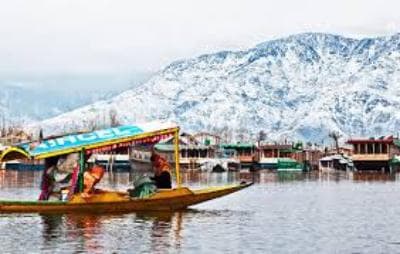
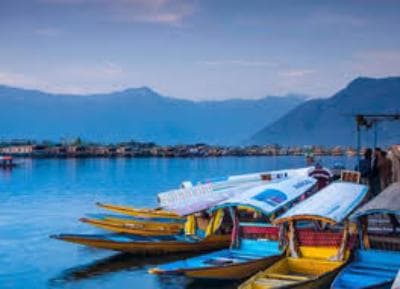
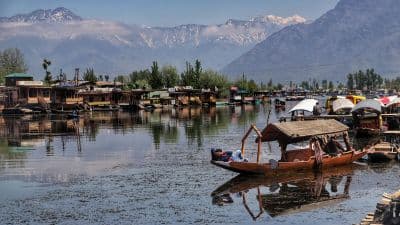
For travellers, the best place to experience breakfast traditions is Srinagar, especially the old city areas and neighbourhood bakeries. Morning food culture is strongest here because you can watch locals buy bread, tea, and snacks on the way to work or school. If your stay includes a houseboat or a hotel near Dal Lake, you may also get an early breakfast with a view, though the menu may be more standard than local.
Old Srinagar Bakeries
Traditional bakeries in Srinagar are a great place to start your morning. These are often small, busy, and local, with bread being pulled out in batches through the morning. You will usually find girda, tchot, and other fresh breads. Prices are generally modest, and you may spend around Rs.20-Rs.80 for bread depending on size and the shop, though rates can vary by area and season.
Local Tea Stalls and Small Eateries
Tea stalls and small eateries serve the daily breakfast crowd with kahwa, noon chai, and quick snacks. If you are comfortable with a simple setting, this is where you will see the most authentic rhythm of the morning. Expect basic seating, quick service, and a steady flow of regular customers. A tea and bread breakfast may cost around Rs.40-Rs.120 per person, depending on what you order.
Hotels and Houseboats
Hotels and houseboats in Srinagar often serve a mix of Kashmiri and continental breakfast items. If you are travelling with family, this can be a good compromise: you can still try local tea and bread while keeping familiar options like omelettes, toast, or fruit on the table. Mid-range stays usually cost around Rs.2,500-Rs.6,000 per night, while good houseboats can range from Rs.3,000-Rs.10,000 or more depending on season and location.
How to Eat Breakfast Like a Local
You do not need to master every Kashmiri custom to enjoy breakfast, but a few simple habits will make the experience better. First, go early. Traditional breads and special dishes are freshest in the morning, and some items sell out by 9 or 10 a.m. Second, do not rush the tea. In many homes and cafés, breakfast is a time to sit, talk, and warm up slowly.
- Try one local drink first — kahwa if you prefer aromatic tea, noon chai if you want the classic salty version.
- Pair bread with the right accompaniments — butter, curd, honey, or eggs work well with girda and tchot.
- Ask before assuming spice levels — not all Kashmiri breakfast foods are spicy, but some winter dishes are rich and heavy.
- Carry cash for small shops — smaller bakeries and tea stalls may prefer cash payments.
If you are sensitive to rich foods, keep your first breakfast light and build up gradually. A bread-and-tea start in Kashmir can feel very different from the usual hotel buffet, especially if you are not used to salted tea or dense winter dishes.
Best Time of Year to Explore Breakfast Culture
If your main goal is to experience the most distinctive side of Kashmir breakfast, winter is the strongest season. From November to February, the region leans into warming foods, and you are more likely to find harisa, extra-rich tea, and heavier bread-based meals. The atmosphere in the morning is also more atmospheric, with cool air and slower, quieter streets.
That said, spring from March to May is ideal if you want easier travel conditions, comfortable temperatures, and a broader sightseeing plan around Srinagar, Gulmarg, Pahalgam, or Sonamarg. You may not find the same winter specialties, but you will get a pleasant and balanced food experience without the deep cold. Road travel times can vary by weather and traffic, so always confirm conditions before planning early-morning drives.
What to Pair With Breakfast on a Kashmir Trip
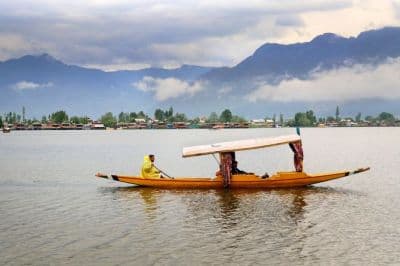
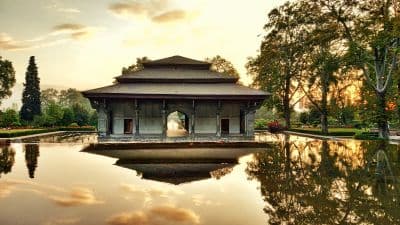
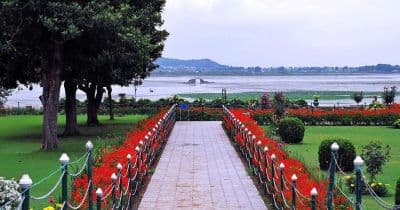
Breakfast in Kashmir fits nicely into a day of sightseeing. If you are staying in Srinagar, you can begin with local bread and tea, then head to the Mughal gardens, Shikara rides on Dal Lake, or a walk through the old city lanes. A relaxed breakfast also works well before a day trip to Gulmarg or Pahalgam, though you should start early and plan for road conditions, especially in winter.
For travellers on packaged trips, it is often best to ask your driver or hotel staff where to stop for breakfast rather than relying only on generic highway options. In Kashmir, the most memorable morning meals are often found in local neighbourhoods, not big commercial outlets.
Frequently Asked Questions
What is a typical breakfast in Kashmir?
A typical breakfast in Kashmir often includes fresh bread such as girda or tchot, paired with kahwa, noon chai, butter, eggs, or curd. In winter, richer dishes like harisa are also common. The meal is usually simple but very satisfying, especially in cold weather.
Is noon chai really pink?
Yes, it usually has a pinkish colour due to the way it is prepared and the ingredients used. It is a salty tea, not a sweet one, so the taste may surprise first-time visitors. Many locals love it with fresh bread in the morning.
Where can I try authentic Kashmiri breakfast in Srinagar?
The best place to start is with local bakeries, tea stalls, and small eateries in Srinagar, especially in older neighbourhoods. Your hotel staff or driver can often point you toward places that are popular with locals. If you are staying near Dal Lake or in the old city, breakfast options are usually close by.
Is harisa available all year?
No, harisa is mostly a winter breakfast dish and is not commonly available throughout the year. It is especially associated with the colder months when people want heavier, warming food. If you want to try it, ask locally during winter mornings.
How much should I budget for breakfast in Kashmir?
For a simple local breakfast, you can budget around Rs.40-Rs.120 per person at tea stalls or small eateries. In cafés or hotel restaurants, it may cost more, often Rs.150-Rs.400 per person depending on what you order. Prices can vary by location and season, so it is best to check on arrival.
Is Kashmiri breakfast vegetarian-friendly?
Yes, many breakfast items are vegetarian, including bread, kahwa, and most tea-based accompaniments. However, some traditional winter dishes like harisa are non-vegetarian. If you eat vegetarian food only, you will still have several good options.
A Final Word on Breakfast in Kashmir
Kashmir breakfast traditions are a beautiful way to understand the region beyond its landscapes. A warm cup of tea, fresh bread, and a slow morning can tell you a lot about local life, especially if you experience it in Srinagar rather than only at a hotel buffet. If you are visiting Kashmir, make room for at least one early breakfast that feels local, seasonal, and unhurried.
If you found this guide useful, share it with someone planning a Kashmir trip.
Planning a Kashmir trip?
Tell us your dates and who is travelling. Up to three local travel companies send you their itinerary and price.
Get free quotesDisclaimer: The information in this blog is for general information only. We try to keep it accurate and up to date, but TravelSetu accepts no liability for errors or omissions. If you believe any part of it infringes your rights, please write to info@travelsetu.com.