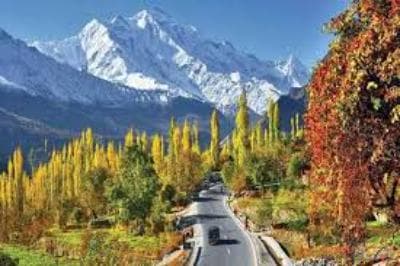
If you are planning a trip to Kashmir, it helps to look beyond the postcard views and understand the environmental pressures the valley is facing. This guide is for Indian travellers who want to enjoy Kashmir responsibly, while knowing what to expect around waste, water, forests, pollution, and crowding. You will come away with a clearer picture of the issues and a few practical habits that make your trip lighter on the land and easier on local communities.
Why Kashmir’s environment needs careful attention
Kashmir’s landscapes are beautiful, but they are also fragile. The valley’s lakes, pine forests, alpine meadows, glaciers, and river systems depend on a delicate balance of weather, tourism, farming, and local livelihoods. When visitor numbers rise quickly, even small problems such as litter, sewage, and vehicle emissions can build up fast.
Many travellers arrive in Srinagar, Gulmarg, Pahalgam, Sonamarg, or Doodhpathri expecting clean mountain air and untouched scenery. In reality, some of the most popular spots now carry visible signs of pressure. The good news is that a thoughtful traveller can still have a wonderful trip while reducing their impact.
Plastic waste and litter in popular tourist areas
One of the most visible environmental issues in Kashmir is plastic waste. Disposable cups, snack wrappers, water bottles, and food packaging often accumulate around lakefronts, parking areas, picnic spots, and roadside viewpoints. In places with heavy day-trip traffic, litter can appear within hours if bins are scarce or overflowing.
Where you may notice it
You are more likely to see waste build-up around the Dal Lake promenade, busy stretches near Gulmarg, meadow access points around Pahalgam, and roadside stops on the Srinagar-Sonamarg route. These are areas where visitor flow is concentrated and waste collection can struggle to keep pace.
What you can do
- Carry a small cloth bag for wrappers and tissues.
- Refuse single-use cutlery if you are eating at roadside stalls.
- Refill a reusable water bottle at your hotel or homestay instead of buying multiple plastic bottles.
- Keep your vehicle free of loose trash until you reach a proper disposal point.
Even a small reduction in waste matters here, because waste management infrastructure is still catching up with tourism growth.
Water bodies under pressure: Dal Lake, Nigeen, and other wetlands
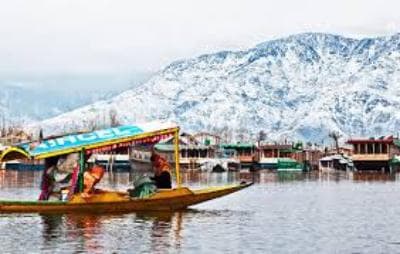
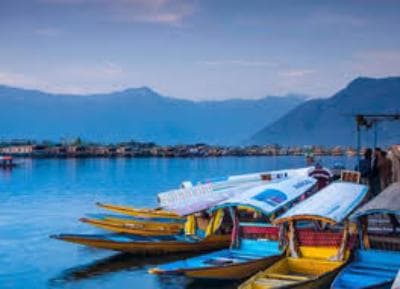
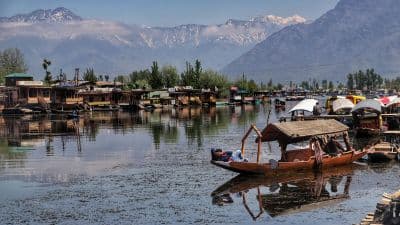
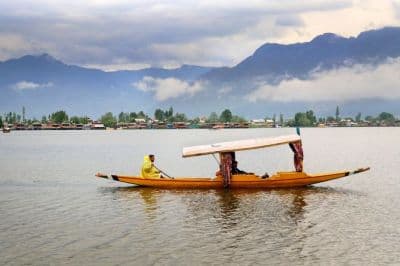
Kashmir’s lakes and wetlands are among its most important natural assets, but they face pollution from household waste, untreated sewage, siltation, and encroachment. Dal Lake is the most discussed example, yet the issue is broader and affects surrounding water systems too. When a lake absorbs too much pollution, it affects fish, aquatic plants, water quality, and the livelihoods of shikara operators, houseboat owners, and local residents.
For travellers, this can show up as murky water in some pockets, floating waste near busy edges, or algal growth in warmer periods. It does not mean you should avoid the lake areas; it means you should use them respectfully and avoid adding to the strain.
Traveller-friendly habits around lakes
- Do not throw flower petals, food scraps, or packaging into the water.
- Choose houseboats and shikara rides that look reasonably maintained and keep waste contained.
- Avoid using soaps or detergents near the water’s edge.
- If you are buying snacks on the lakefront, carry your rubbish back with you.
If you are staying on a houseboat, ask how waste is collected and whether the property uses septic or other treatment systems. You do not need to interrogate anyone; a simple, polite question is enough to understand whether the operator is environmentally mindful.
Traffic, fuel smoke, and air quality in the main travel corridors
Kashmir often feels cleaner than many large Indian cities, but traffic emissions are still a growing concern in crowded tourist zones. During peak holiday periods, long queues of taxis and private vehicles can form on mountain roads and at entry points to resorts. Idling vehicles add smoke and dust, especially in narrow valley roads where air circulation is limited.
This is most noticeable in Srinagar city traffic, around the approach roads to Gulmarg and Pahalgam, and during peak movement between destinations in May, June, and again in autumn. Road dust also rises in dry stretches, particularly when road widening or construction work is underway.
How you can travel cleaner
- Share taxis where practical instead of booking separate cabs for every segment.
- Plan your sightseeing in clusters so you do fewer back-and-forth trips.
- Walk short distances in Srinagar where it is safe and convenient.
- Prefer stays close to the areas you want to explore, rather than commuting long distances daily.
If you are travelling with family, a slower itinerary can reduce both stress and emissions. A 5- to 7-day Kashmir trip can often be planned well with fewer road hops than travellers initially assume.
Forest stress, meadow crowding, and off-road damage
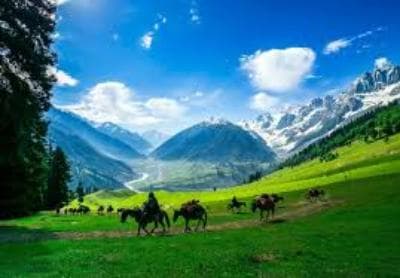
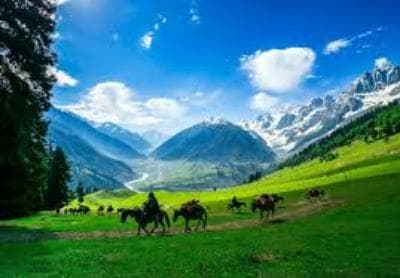
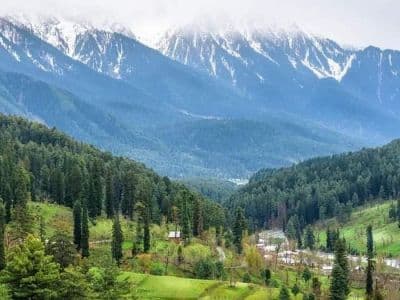
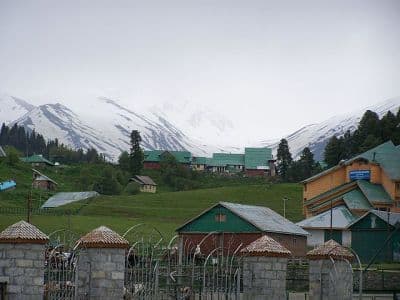
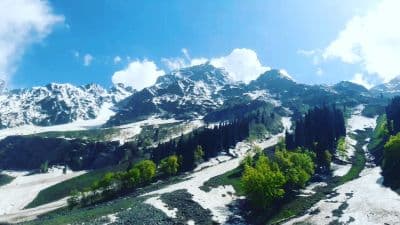
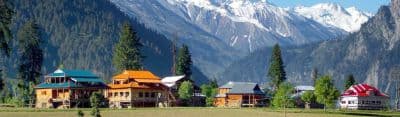
Several of Kashmir’s most loved landscapes are sensitive alpine and subalpine environments. Pine forests, deodar stands, and meadow edges can be damaged by trampling, illegal parking, campfires, and people moving off marked paths. In popular meadows such as those around Gulmarg and Sonamarg, repeated foot traffic can compact soil and affect grass cover.
Off-roading is another concern. When vehicles leave designated roads to reach photo spots or picnic points, the ground can erode quickly, especially after rain or snowmelt. That damage is slow to recover at higher altitudes.
What responsible visitors should avoid
- Do not drive or hire a vehicle to go off-road for “one quick photo”.
- Stick to existing paths in meadows and forested areas.
- Avoid lighting fires in open natural areas unless a legal, managed fire pit is provided.
- Do not pluck wildflowers or disturb shrubs for pictures.
If you are doing a pony ride, trekking, or picnic in the higher reaches, ask the operator to follow the established route. A reputable guide will usually prefer that too, because it protects the landscape they depend on.
Climate change and changing travel conditions
Kashmir is seeing the effects of climate variability in ways travellers can feel directly. Snow patterns are less predictable than they used to be, some winters bring erratic snowfall, and spring or summer weather can shift quickly. This affects everything from ski seasons in Gulmarg to water availability later in the year.
Warmer spells can lead to quicker snowmelt, while heavy rain events may cause road disruptions or increased landslide risk on certain routes. In practical terms, you should never assume that a month guarantees a specific weather experience. January can be snowy, but not every year in the same way; April can be mild, but sudden cold snaps are possible.
How to plan with climate in mind
- Keep one flexible buffer day if your itinerary includes mountain driving or winter travel.
- Pack layers, rain protection, and sturdy shoes even in summer.
- Check local conditions before planning high-altitude day trips.
- Do not schedule tightly timed connections on days when road weather looks uncertain.
This kind of planning is not just about comfort. It reduces rushed driving, overnight detours, and the temptation to take unsafe shortcuts when weather changes suddenly.
Wildlife, livestock, and human pressure on sensitive habitats
Kashmir’s natural areas are home to birds, small mammals, and high-altitude wildlife, though many travellers only notice the larger landscape. The pressure comes from noise, waste, habitat disturbance, and food left behind by visitors. In meadows and forest edges, free-roaming livestock and tourism activity can also compete for grazing and space.
Birdlife around wetlands and lake areas is especially vulnerable when people feed animals or throw food scraps. Feeding may seem harmless, but it changes natural behaviour and can attract pests.
Simple wildlife etiquette
- Observe animals from a distance and never chase them for photos.
- Do not feed birds, monkeys, or stray animals.
- Keep food closed and do not leave packets behind at picnic spots.
- If you are trekking, stay quiet and keep your group compact.
How to be a more responsible traveller in Kashmir
The most helpful approach is not complicated. Choose operators and stays that keep the environment in mind, and reduce the amount of waste and vehicle use your trip creates. That can be as simple as picking a hotel with good waste practices, travelling in shared vehicles for local sightseeing, or carrying your own reusable basics.
Practical checklist for your trip
- Carry a reusable water bottle and a small thermos if you like hot drinks.
- Bring a cloth shopping bag for dry snacks and purchases.
- Use sunscreen and toiletries that do not create unnecessary pollution when washed off.
- Ask your hotel or houseboat about waste disposal and water-saving measures.
- Tip local guides and drivers fairly, especially if they help you travel responsibly.
You may also want to buy local produce, saffron, dry fruits, walnuts, papier-mâché, and woollens from established shops rather than from places that rely on excessive packaging or wasteful display materials. Supporting local livelihoods is part of environmental responsibility too, because it strengthens communities that care for the region.
Best time to travel if you want lower environmental pressure
If you are flexible, shoulder seasons can be easier on both the environment and your budget. March to early April and late September to early November often bring gentler crowds than peak summer, though conditions vary by year. These months can also be pleasant for sightseeing in Srinagar, Pahalgam, and parts of the valley without the heaviest traffic crush.
Peak periods such as May, June, school holidays, and major festival windows tend to bring more traffic, more waste, and more strain on accommodation and water systems. Winter travel has its own challenges, but it can also be calmer in some areas if weather conditions are stable. Always confirm road status, snow conditions, and hotel services before booking.
Frequently Asked Questions
Is Kashmir safe for eco-conscious travel?
Yes, if you plan carefully and stay updated on local conditions. Eco-conscious travel here is mostly about being mindful of waste, transport, and how you behave in natural spaces. A little planning goes a long way in reducing your footprint.
Are houseboats in Kashmir environmentally friendly?
It varies by property. Some houseboats are well managed and take waste handling seriously, while others may not have strong systems in place. Ask about sanitation, waste disposal, and water use before you book so you can choose more responsibly.
Which places in Kashmir show the most environmental pressure?
Busy tourist zones such as the Dal Lake area, parts of Srinagar city, Gulmarg’s main approach roads, and popular picnic or meadow access points tend to show the most visible pressure. That does not mean they are not worth visiting; it simply means you should be extra careful there.
What should I pack to reduce waste on the trip?
A reusable water bottle, cloth bag, tissue pack, small container for leftovers, and a compact umbrella or rain cover are useful basics. If you are travelling in winter, pack your own thermos to reduce disposable cup use when buying tea or kahwa on the go.
Can I still enjoy sightseeing without using too many vehicles?
Yes, especially in Srinagar, where several experiences can be grouped into a smaller radius. You can combine a lake visit, Mughal garden stops, and old city exploration in a single day with limited driving. Planning in clusters helps both your pace and the environment.
Do environmental issues change by season?
They do. Summer brings more crowding, more plastic waste, and more traffic pressure, while winter can bring fuel use, snow-related disruption, and road stress. Monsoon-like rain spells and spring thaw can affect roads, slopes, and lake conditions as well.
Final thoughts
Kashmir rewards slow, respectful travel. If you understand the environmental pressures behind the scenery, you can make choices that protect the places you came to see and support the people who live there year-round. Travel thoughtfully, pack lightly, and leave each viewpoint, lakefront, and meadow a little better than you found it.
If this guide helped you plan better, share this post with someone heading to Kashmir.
Planning a Kashmir trip?
Tell us your dates and who is travelling. Up to three local travel companies send you their itinerary and price.
Get free quotesDisclaimer: The information in this blog is for general information only. We try to keep it accurate and up to date, but TravelSetu accepts no liability for errors or omissions. If you believe any part of it infringes your rights, please write to info@travelsetu.com.