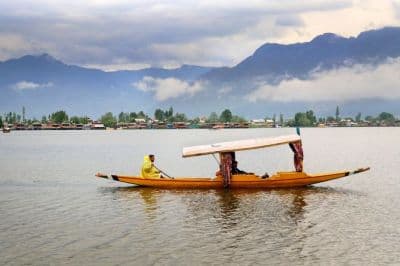
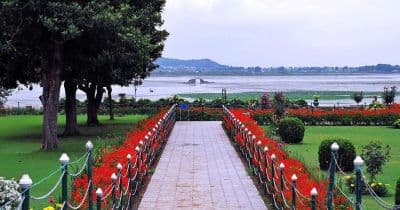
If you are planning a trip to Kashmir and want more than the usual sightseeing circuit, this guide is for you. It focuses on where local food comes from, which farms and orchards you can visit, and how to plan your days around seasonal harvests, village kitchens, and market runs in Srinagar, Ganderbal, Pulwama, Baramulla, and beyond.
By the end, you will know when to visit for apples, cherries, saffron, walnuts, trout, and fresh greens, how farm visits usually work, and what kind of budget and time to keep aside for a food-focused Kashmir trip.
Why Kashmir is excellent for a food-and-farm trip
Kashmir is one of the few places in India where the landscape directly shapes the plate. Cool weather, fertile valley soil, freshwater streams, and long growing seasons in specific pockets make local sourcing a big part of daily life. In practical terms, this means you can visit apple orchards in south Kashmir, saffron fields around Pampore, walnut groves in rural districts, and trout farms near mountain waters, then see those ingredients appear in home-style meals and local markets the same day.
For travellers, this is a slower, more rewarding way to experience the region. Instead of only checking off gardens and lakes, you also understand how a family cooks, what a village grows, and why certain ingredients are tied to particular months. It also helps you buy better souvenirs, support local growers, and choose restaurants and homestays that use regional produce.
Best areas in Kashmir for food sourcing and farm visits
Different districts specialise in different produce, so it helps to plan by region rather than trying to cover everything from one base.
| Area | Known for | Best time to visit | From Srinagar |
|---|---|---|---|
| Srinagar and outskirts | Floating vegetable markets, local bakeries, spice shops, trout from nearby suppliers | Year-round | Within city |
| Pampore | Saffron fields and saffron-related buying | October to November | About 30-40 minutes |
| Pulwama | Apple orchards, saffron belt, village food experiences | September to November | About 1-1.5 hours |
| Ganderbal | Apple orchards, trout, village farms, rural produce | May to October | About 1-1.5 hours |
| Baramulla and Sopore belt | Apple orchards, walnut trade, roadside produce | August to November | About 2-3 hours |
Srinagar is your easiest base if you want flexible day trips. If you want more time in orchard country, staying one night in south Kashmir or near Ganderbal makes the pace easier and reduces back-and-forth driving.
What is in season and when to plan your trip
Seasonality matters a lot in Kashmir, especially if you want to see farms when they are actually active. Many visitors arrive in peak tourist months without realising that harvest timing changes what they can taste, buy, and photograph.
Spring: greens, herbs, and village kitchens
From March to May, the valley starts waking up after winter. This is a good time for seeing kitchen gardens, fresh greens, saag-based dishes, radish, and the first wave of herbs used in home cooking. You may not get the orchard activity of autumn, but you will see a quieter, more domestic side of food in Kashmir.
Summer: cherries, apricots, trout, and fresh produce
June to August is a strong time for cherries, apricots in some areas, and a broad range of vegetables. It is also one of the better periods for trout meals and farm visits because the roads are easier and the weather is pleasant. If you want to combine food sourcing with sightseeing around Gulmarg, Pahalgam, and Srinagar, summer works well.
Autumn: apples, walnuts, and saffron
September to November is the most rewarding season for food-focused travel. Apple orchards are busy, walnut harvesting begins, and saffron fields around Pampore turn into a major draw. If you want the widest range of local produce in one trip, this is the best window.
Winter: dried goods, breads, and preserved food
December to February is colder and travel can slow down, but it is still valuable if you enjoy traditional winter food. This is the season for dried vegetables, pickles, sun-dried berries, stored walnuts, and richer Kashmiri dishes. Farm visits are possible in some areas, but expect fewer fresh-harvest experiences and shorter outdoor time.
How farm visits usually work in Kashmir
Farm visits in Kashmir are often less commercial than in some other parts of India. You may visit through a local homestay, a driver who knows farming families, a village contact, or a small tour operator that arranges orchard and market stops. Some are simple walkthroughs, while others include tea, lunch, a harvest demonstration, or a discussion with the grower.
A typical farm visit may last 1.5 to 3 hours. If you are visiting an orchard, expect to walk on uneven ground, so wear shoes with a decent grip. In saffron fields, you may be asked to stay on designated paths to avoid damaging the crop. For trout farms and village kitchens, be prepared for a more relaxed pace and a lot of conversation around cooking methods, irrigation, and seasonal sales.
It is best to confirm the visit in advance rather than arriving unannounced. Some farms welcome visitors only at certain hours, especially during busy harvest days. If you want photographs, ask first. Many families are happy to show their work, but they appreciate a respectful approach.
What local foods to look for and where to source them
If you want to bring back more than packaged saffron, these are the local food items worth keeping on your radar.
Saffron from Pampore
Pampore is the name most travellers hear first when they think of Kashmiri saffron. Real saffron is expensive, so take your time and buy only from trusted sellers or farm contacts who can explain grading and drying. If someone offers a deal that seems too cheap, treat it carefully. Prices vary widely, but a small genuine packet can cost several thousand rupees depending on quality and quantity.
Apples, dried fruit, and walnuts
Apple orchards in south and central Kashmir are among the best places to understand the scale of the valley’s fruit economy. In season, you may be able to buy directly from growers or local collectors. Walnuts are widely sold in shell and as kernels, and dried apricots, figs, and raisins are also common in local markets. For gifts, choose cleanly packed, moisture-free produce from known sellers.
Trout and river food
In parts of Kashmir with suitable water conditions, trout is a well-loved specialty. You can often find it in restaurants near Srinagar and in mountain belts around Ganderbal and Sonamarg routes. If your aim is sourcing, ask where the fish comes from and whether the kitchen gets fresh stock daily. That matters more than the menu description.
Bakery breads and street snacks
Do not ignore the everyday food scene. Kashmiri breads such as kulcha, girda, and sheermal are tied closely to local breakfast culture. In Srinagar markets, you can also explore wazwan ingredients, spices, noon chai ingredients, and simple snacks that are part of daily life rather than tourist presentation. This is where you get a real sense of what locals actually buy.
Suggested 4-day Kashmir food and farm itinerary
If you want a balanced trip, four days is enough to combine city food, one orchard region, and one specialty harvest stop.
- Day 1: Srinagar food walk and market sourcing
Start with local bakeries, old-city food lanes, spice shops, and a floating vegetable market if your schedule matches the early morning hours. Spend the afternoon trying Kashmiri meals at a home-style restaurant or a family-run eatery. This gives you context before you head into farming areas. - Day 2: Pampore and saffron-focused visit
Leave Srinagar after breakfast and spend the morning in the saffron belt. If it is the right season, see the fields and ask about drying, grading, and storage. Return to Srinagar by evening or stay closer if you want a slower pace. - Day 3: South Kashmir orchard circuit
Head towards Pulwama for orchard views and fruit sourcing. Depending on the season, you may see apple sorting, pruning, or harvest activity. Add a village lunch if arranged through your host. - Day 4: Ganderbal or Baramulla produce trail
Choose one based on your base and season. Ganderbal works well for easier road access and trout or village farm visits. Baramulla and Sopore are better if you want a fuller apple-belt feel and do not mind a longer drive.
If you have five or six days, slow the pace. Add one full day for shopping, one for a houseboat or hotel rest day, and one for a side trip to a mountain area where local meals are part of the stay.
How much to budget for food sourcing and farm visits
Costs depend on how private your visit is and whether meals are included. For most travellers, the spending is manageable if you plan it sensibly.
- Local breakfast or bakery stop: Rs.150-Rs.400 per person
- Simple lunch at a local eatery: Rs.250-Rs.700 per person
- Guided market or food walk: Rs.1,000-Rs.3,000 per person
- Farm or orchard visit with host interaction: Rs.500-Rs.2,500 per person, depending on what is included
- Private day vehicle for regional visits: Rs.3,500-Rs.7,000 per day
- Fresh produce and souvenirs: Rs.500-Rs.5,000+, depending on what you buy
These are indicative ranges only, and they can change with season, fuel prices, and local demand. Always confirm in advance, especially for orchard access, meals, and any special farm experience.
Practical tips for respectful sourcing
Food travel becomes much better when you behave like a guest, not a customer arriving to inspect someone’s work.
- Ask before touching crops, branches, or drying produce.
- Carry cash in small notes for village purchases and small vendors.
- Buy from people who can explain where the product came from.
- Do not bargain aggressively on farm produce that is clearly seasonal and labour-heavy.
- If you are tasting at a home, eat what is offered politely and mention any dietary limits early.
- Dress modestly and wear footwear suitable for uneven ground and damp soil.
If you are buying saffron or dried fruit to take home, keep packaging neat and sealed. If possible, buy only what you can finish within a reasonable time so the product does not lose freshness. For longer trips, store delicate items separately from perfume, spices, and damp clothes.
Frequently Asked Questions
When is the best time to visit Kashmir for food and farm experiences?
September to November is the strongest season if you want apples, walnuts, and saffron in one trip. June to August is also useful for cherries, apricots, fresh produce, and easier road travel. If you enjoy quieter village life and home-style food, spring can be surprisingly good too.
Can I visit saffron fields in Pampore on my own?
It is possible to go to the area independently, but a local contact makes the experience smoother. During harvest season, access can depend on the farm owner’s schedule and the condition of the fields. A local driver, host, or tour planner can help you reach a place where visitors are actually welcome.
Are orchard visits suitable for families with children or older travellers?
Yes, but choose shorter visits and avoid long walks on uneven ground. Orchards and farms can be muddy or slippery in some months, so comfortable shoes matter. If you are travelling with elders, plan visits that have easy vehicle access and a place to sit.
How do I know if saffron is genuine?
Buy from a seller or farm contact who can explain the source, grade, and storage method. Genuine saffron should not be suspiciously cheap, and it is usually sold in very small quantities. If you are unsure, compare prices at a few reputable places before buying.
Can I combine food sourcing with a normal Kashmir sightseeing itinerary?
Yes, and that is often the best way to do it. You can add a market morning in Srinagar, a saffron stop near Pampore, and an orchard visit in south Kashmir without losing too much sightseeing time. The key is to keep at least one full day flexible for regional travel.
What should I carry for a farm visit?
Carry water, a light snack, cash, a power bank, and footwear that can handle dirt or wet ground. In colder months, bring a warm layer even for daytime trips because the weather can change quickly. A small bag is better than a bulky suitcase if you are moving between fields and markets.
Kashmir is at its best when you experience it through its food as much as its scenery. If you plan carefully, you can taste the valley at the source, meet the people who grow it, and return home with a much richer memory than a photo album alone can give you.
Please share this post with anyone planning a Kashmir trip who would enjoy a more local, food-first experience.
Planning a Kashmir trip?
Tell us your dates and who is travelling. Up to three local travel companies send you their itinerary and price.
Get free quotesDisclaimer: The information in this blog is for general information only. We try to keep it accurate and up to date, but TravelSetu accepts no liability for errors or omissions. If you believe any part of it infringes your rights, please write to info@travelsetu.com.