Kashmir Shoulder Season Value Analysis
If you are planning Kashmir on a sensible budget and want good weather without peak-season crowds, shoulder season is where the real value sits. This guide breaks down when Kashmir offers the best balance of price, comfort, and experience, so you can decide if spring, early summer, or autumn makes more sense for your trip.
You will get a practical look at hotel rates, houseboat costs, transport, weather, crowds, and what each shoulder month feels like on the ground. The goal is simple: help you book Kashmir at the right time for your travel style and your wallet.
What “Shoulder Season” Means in Kashmir
In Kashmir, shoulder season usually means the months just before or after the busiest tourist rush. For most travellers, that includes March to early April, late September to November, and in some cases early June before the summer peak fully sets in. These windows are valuable because the weather is often comfortable, attractions are open, and prices are usually lower than at peak demand.
Peak season in Kashmir tends to rise sharply around school holidays, long weekends, summer vacations, and the snow season in Gulmarg. Shoulder season is different: you may still get excellent sightseeing conditions, but with better hotel availability and more room to negotiate on transport or package inclusions. If you are comparing Kashmir to places like Himachal or Uttarakhand, the same rule applies here: timing can change your total trip cost by a noticeable amount.
Best Shoulder Months and What They Offer
March to Early April: Spring Value
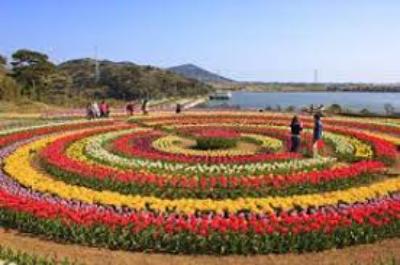
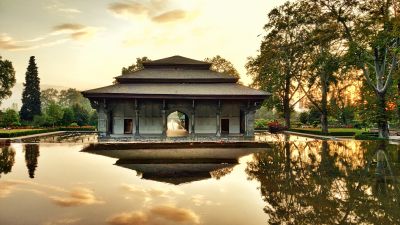
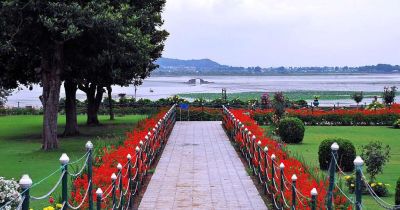
This is one of the most appealing value windows for Kashmir. Srinagar starts warming up, tulip season arrives around late March or early April depending on the year, and gardens like Shalimar Bagh, Nishat Bagh, and Indira Gandhi Memorial Tulip Garden begin looking fresh and colourful. Crowds build around the tulip festival, but outside those dates you can still find reasonable rates, especially on weekdays.
Expect daytime temperatures to feel pleasant, while mornings and evenings remain cool. This is a good time for Dal Lake, old Srinagar walks, and day trips to Gulmarg or Pahalgam if road conditions are clear. For budget planning, spring often gives you a better deal than May or June without sacrificing too much on comfort.
Late September to November: Autumn Value
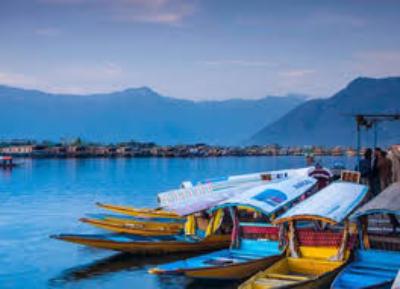
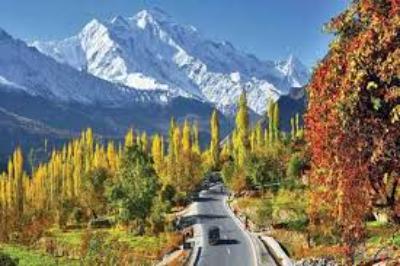
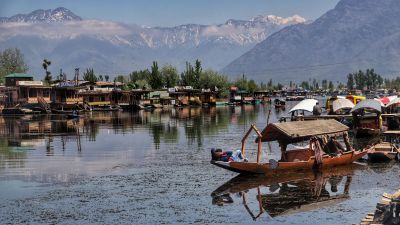
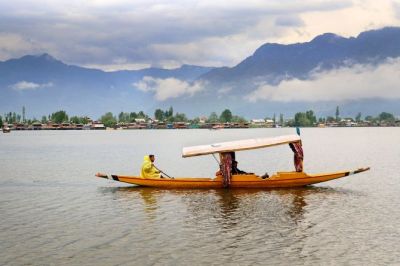
Autumn is the strongest value-for-money period for many travellers. The tourist rush from summer has eased, the Chinar trees start turning gold and copper, and the air becomes crisp without being harsh. Places like Shikara rides on Dal Lake, the Jhelum riverfront, and the gardens around Srinagar feel calmer and more photogenic.
October can be especially rewarding if you want beautiful scenery and lower-than-peak prices. By November, the weather gets colder and some travellers avoid the season, which can bring down hotel rates further. If you do not mind layering up, this is often the best-value month for a Kashmir holiday.
Early June: A Short Window Before Peak Crowds
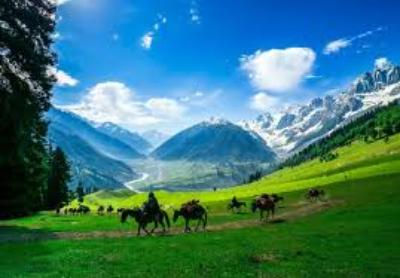
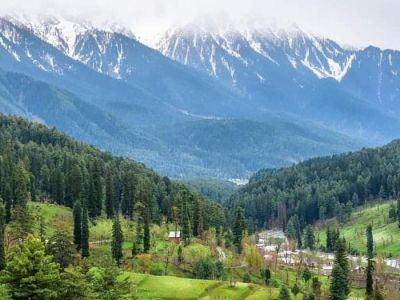
Early June is not the cheapest period, but it can still offer decent value if you book early and avoid last-minute travel. Schools are on holiday, so demand starts rising, but you may still find reasonable stays outside the most crowded dates. The meadows around Sonamarg and road trips toward Pahalgam are usually in good shape, which makes this a strong family-travel window if your dates are fixed.
Once the month moves deeper into June and July, prices and occupancy can climb quickly. If you are choosing between late May, early June, and peak summer, the first half of June often gives you the best balance of availability and weather.
How Much You Can Save in Shoulder Season
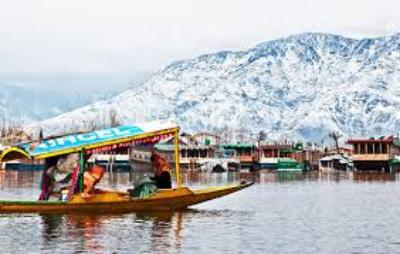
The savings in Kashmir shoulder season usually show up in accommodation first, then in transport and package flexibility. A decent hotel in Srinagar that may cost ?5,000-?8,000 per night in peak weeks might drop to ?3,000-?5,500 per night in shoulder season, depending on location and view. Houseboats on Dal Lake or Nigeen Lake can also become more negotiable, especially if you are staying two nights or more.
Transport savings are less dramatic, but they still matter. A private cab for Srinagar city sightseeing, airport transfers, or a day trip to Gulmarg can be easier to negotiate when operators have more availability. Packages that include stay, breakfast, and transfers may also offer better value outside holidays, with some itineraries falling in the range of ?12,000-?22,000 per person for a short 3N/4D trip, depending on hotel category and inclusions. Always compare carefully, because a low headline rate can hide extra charges for sightseeing, meals, or union taxi requirements.
| Trip Element | Peak Season Indicative Range | Shoulder Season Indicative Range |
|---|---|---|
| Mid-range hotel in Srinagar | ?5,000-?8,000 per night | ?3,000-?5,500 per night |
| Houseboat stay | ?4,500-?10,000 per night | ?3,000-?7,000 per night |
| Private cab for full-day sightseeing | ?3,500-?6,500 | ?3,000-?5,500 |
| 3N/4D Kashmir package per person | ?15,000-?30,000+ | ?12,000-?22,000 |
These are broad estimates, not fixed rates. Kashmir pricing changes with holiday dates, snowfall, road access, hotel category, and how early you book.
Weather and Comfort: What You Really Get
Shoulder season value is not just about cheaper rates; it is about comfort per rupee. In March and early April, you trade some winter chill for clearer sightseeing days and blooming gardens. In autumn, you trade peak-season bustle for clean air, attractive landscapes, and easy movement around Srinagar and nearby towns.
If your main plan is walking through Old Srinagar, taking a shikara ride, visiting gardens, or enjoying short day trips, shoulder season is ideal. You usually avoid the harshest cold of January and the heaviest holiday crowds of May and June. That said, if you are heading to Gulmarg specifically for snow activities, the shoulder season may not be the cheapest or best fit unless you travel in early spring or late winter.
For travellers who dislike extreme weather, autumn is often the safest bet. It is cool enough for comfortable sightseeing and warm enough that you do not need heavy winter gear for most of the day. Bring layers in all shoulder months, because Kashmir’s mornings and evenings can feel very different from the afternoon.
Where Shoulder Season Gives the Best Value in Kashmir
Srinagar
Srinagar is where shoulder season savings are easiest to find. Hotel rates around Dal Lake, Nigeen Lake, and the city centre soften outside the main rush. If you stay here, you can use it as a base for gardens, old city lanes, mosques, and lake experiences without changing hotels frequently.
Gulmarg
Gulmarg can be excellent value in early spring or just after the peak snow rush, but prices can climb fast when snow conditions draw heavy demand. If your focus is golf, meadows, and a quieter hill feel, shoulder weeks work well. If your main aim is skiing, cable car activity, or fresh snowfall, compare dates carefully before booking.
Pahalgam
Pahalgam tends to reward shoulder-season travellers who want a calmer mountain base. It is a solid pick for families and couples who want river views, Aru Valley access, and relaxed walks. Compared with the most crowded weeks of summer, you will usually find better room selection and a more peaceful atmosphere.
Sonamarg
Sonamarg is more sensitive to road and weather conditions, so shoulder value depends on timing. In early summer or late spring, it can be a beautiful stop with good day-trip potential. Later in the season, the valley can still be busy, but not as packed as the main school-holiday rush.
Who Gets the Most Value from Shoulder Season
Shoulder season in Kashmir works best for travellers who care about overall trip quality, not just the cheapest rate. If you are a couple looking for a calm holiday, a family trying to avoid overcrowding, or a photographer chasing softer light and autumn colour, this timing is excellent. It also suits travellers who want to stay in better properties without pushing the budget too far.
On the other hand, if your dates are fixed by school vacations or you are chasing the best snow experience, shoulder season may not always be the lowest-cost option. In that case, your savings may come more from early booking than from the season itself. The key is to match your expectations with the month you choose.
How to Book Smart in Shoulder Season
- Book early for spring tulip dates and autumn weekends. These short bursts of demand can erase the usual shoulder-season advantage.
- Compare Srinagar base stays with point-to-point moves. A single-base itinerary is often more affordable and less tiring than changing hotels repeatedly.
- Ask what is included. Breakfast, airport transfers, Gondola timing assistance, and sightseeing vehicle charges can change the real price.
- Keep one buffer day. Weather can affect mountain plans, especially for Gulmarg or Sonamarg routes.
- Check road and snowfall conditions before final payment. This is especially important if you are visiting outside the main summer window.
If you are booking a package, make sure the itinerary clearly mentions hotel category, meal plan, vehicle type, and any exclusions. A package that looks slightly costlier may actually be better value if it saves you on transfers and local coordination.
Frequently Asked Questions
Which is the best shoulder month for Kashmir?
For most travellers, October is the strongest value month, closely followed by late March to early April. October offers pleasant weather, attractive autumn colours, and lower crowds than peak summer. If you want flowers and garden visits, spring is the better pick.
Is Kashmir cheaper in shoulder season than in peak season?
Yes, usually. Hotels, houseboats, and packages are often cheaper in shoulder periods than during school holidays and peak summer weeks. The exact difference depends on the destination within Kashmir, your travel dates, and how early you book.
Is March a good time to visit Kashmir?
Yes, March can be a very good time if you want cooler weather, fewer crowds, and the start of spring colour. You may still find some winter chill, especially in higher areas, so pack warm layers. If you are hoping for snow, confirm conditions before planning on it.
What budget should I keep for a 4-day Kashmir trip?
For a comfortable 3N/4D trip, many travellers should budget around ?12,000-?22,000 per person in shoulder season, excluding flights or long-distance train travel. This can go up or down depending on hotel quality, houseboat nights, cab usage, and meal plan. Luxury travel will cost more.
Is autumn better than spring for value in Kashmir?
Autumn often gives the strongest value because crowds are lighter and the scenery is still beautiful. Spring is better if you want blossoms, tulips, and fresh green landscapes. Both are good, but autumn is usually easier on the wallet.
Should I book Kashmir packages last minute in shoulder season?
You can sometimes find last-minute deals, but that is risky for Kashmir, especially for popular hotels and fixed-date travel. The best value usually comes from booking early and being flexible with dates. If your trip includes holidays or weekends, early booking matters even more.
Shoulder season is where Kashmir often gives you the best mix of comfort, scenery, and sensible pricing. If you choose the right month and book with a little planning, you can enjoy the valley without paying peak-season prices or dealing with the busiest crowds.
Share this post with someone planning a Kashmir trip so they can time their holiday better and get more value from every rupee.
Disclaimer : The information provided in this blog is for general informational purposes only. While we strive to keep the content accurate and updated, TravelSetu assumes no liability for errors or omissions. If you believe any part of this blog infringes your rights or causes concern, please notify us immediately at info[at]travelsetu[dot]com so that appropriate action can be taken.