If you are planning a trip to Kashmir and want to taste the region beyond wazwan dinners and hotel buffets, this guide is for you. It focuses on the snacks and small bites you are most likely to find on the streets of Srinagar, near Dal Lake, around Lal Chowk, and in market lanes across the Valley. By the end, you will know what to order, where to look, how much to budget, and how to enjoy Kashmiri street food without wasting a meal on the wrong stall.
Why Kashmir Street Snacks Deserve a Full Food Trail
Kashmir’s street food is shaped by cold weather, tea culture, local produce, and a strong habit of eating warm, filling food between long walks or work breaks. Unlike a generic snacks scene, here you will notice mutton, chutneys, saffron, noon chai, and rice-based bites that are comforting rather than flashy. Many of the best experiences are simple: a paper plate of fried mushrooms near a lake road, a hot cup of kehwa after shopping, or a samovar tea stop on a chilly morning.
For Indian travellers, this is also one of the easiest ways to eat well on a practical budget. You can sample several snacks in one evening for around Rs.300-Rs.700 per person, depending on how many items you try and where you eat. Prices change by season and location, so treat these as indicative and confirm before ordering.
What to Eat: The Most Popular Kashmiri Street Snacks
1. Kashmiri Naan and Kulcha
In many parts of Kashmir, “naan” does not mean the soft North Indian bread you may expect. You will often find larger, dense, slightly sweet breads topped with sesame seeds or spices, sold fresh from roadside bakeries and local shops. They are commonly eaten with noon chai, tea, or a simple potato filling.
If you are walking through Srinagar’s older markets in the morning, keep an eye out for bakery counters with stacks of warm bread. A piece may cost around Rs.20-Rs.50, and it makes a good breakfast if you want something quick before sightseeing.
2. Noon Chai and Kehwa
Noon chai is the famous pink tea of Kashmir, made with salt, milk, and tea leaves. It can surprise first-time visitors because it is savoury rather than sweet, but it is deeply tied to local routine. Kehwa, on the other hand, is a fragrant green tea with saffron, cardamom, and almonds, and it is the drink many travellers prefer on a cold afternoon.
You will find both in tea stalls near Lal Chowk, market corners, and around tourist-heavy areas such as Boulevard Road. Expect to pay roughly Rs.20-Rs.60 for a cup, depending on the setting and add-ons.
3. Mutton Seekh, Kebab, and Grilled Meat Snacks
Kashmir does meat very well, and that includes small snack-sized kebabs sold from grills and modest roadside setups. In the evenings, you may see skewers smoking near busy market areas, often served with chutney and bread. Seekh kebabs and small mutton bites are especially popular with locals looking for a quick, hearty snack before dinner.
These are not always “street” in the flashy sense, but they are part of everyday food culture. A couple of pieces may cost around Rs.80-Rs.180, depending on the cut and the place.
4. Nadru Monje
One of the most recognisable Kashmiri snacks is nadru monje, which is lotus stem fritter. The lotus stem is sliced, coated in a spiced gram flour batter, and deep-fried until crisp. On a cold day, it is exactly the sort of snack you want with tea.
You may find it near lakeside food stalls, local lanes, and seasonal vendors. A plate usually falls in the Rs.40-Rs.120 range. If you enjoy pakoras, this is a Kashmir-specific version worth trying.
5. Haak and Vegetable Pakoras
Haak is a Kashmiri leafy green often prepared at home, but you may also come across pakora versions or stalls selling fried vegetables with local seasoning. While not as famous as meat snacks, these are excellent if you want something lighter between meals. In winter, vegetable fritters become especially common because they pair well with tea and warm air from roadside stalls.
Prices are generally modest, around Rs.30-Rs.100 for a serving, especially in local neighbourhood markets rather than touristy cafe streets.
6. Fried Fish Near Waterways and Local Markets
Depending on where you are in Kashmir, you may see small fish fry stalls, especially around water-adjacent areas and local bazaars. The preparation is usually simple: marinated fish, fried crisp, served hot with chutney or lemon. It is not the same everywhere in the Valley, so availability varies more than other snacks.
If you find a busy stall with a quick turnover, that is usually the better sign. Expect a serving to cost around Rs.100-Rs.250.
7. Sweet Snacks: Phirni, Halwa, and Local Bakery Treats
Not every street snack in Kashmir is savoury. You will also find desserts such as phirni in small cups, halwa from sweet shops, and bakery items that locals pick up with tea. These sweets are particularly satisfying after a cold evening walk around Dal Lake or after browsing markets in Srinagar.
Small portions can start around Rs.30-Rs.80, while bakery-style desserts and richer items may go higher. If you like ending a snack trail with something sweet, leave room for this.
Where to Find the Best Street Food in Kashmir
For a first-time traveller, the best food hunting grounds are not random roadside stalls on highways, but busy local commercial areas where food turns over quickly. In Srinagar, look around Lal Chowk, Residency Road, the lanes near Polo View, and the markets connecting to the city’s older neighbourhoods. You will also see snack sellers along Boulevard Road, especially in tourist season, though prices there may be a bit higher.
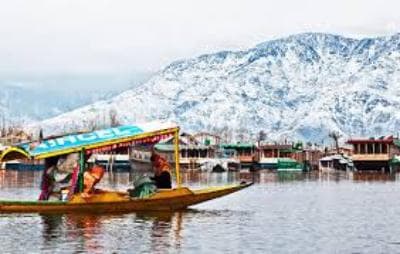
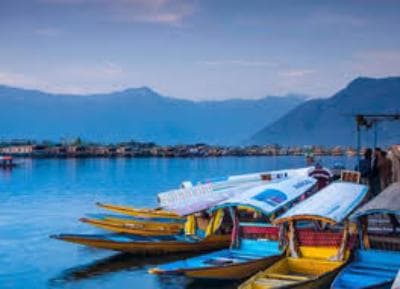
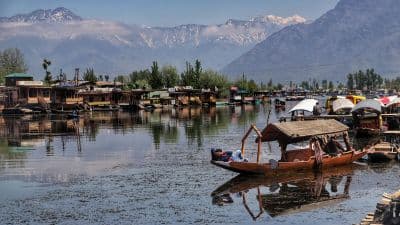
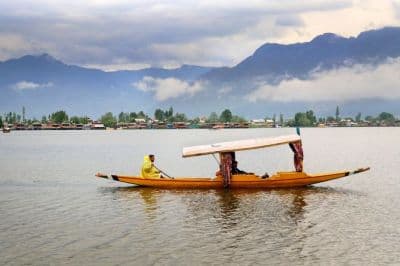
Near Dal Lake, especially on the road leading to the lakefront and around popular shikara boarding points, you can find tea stalls, bakery counters, and small fry vendors. In the old city areas, the pace is slower and the food feels more local, but you should go with time and patience. If you are in smaller towns such as Anantnag, Baramulla, or Ganderbal, focus on busier market streets rather than isolated stalls.
The rule is simple: follow the crowd, but choose the stall where food is being made fresh in front of you. If a place has no turnover, move on.
How to Build a One-Day Kashmir Snack Trail
If you want to taste Kashmir through snacks without overdoing it, plan your day around three or four stops. Start with tea and bread in the morning, eat a savoury snack at lunch time, and finish with a warm item in the evening. Kashmir’s weather often makes this rhythm feel natural, especially from October to March.
- Morning: Noon chai or kehwa with naan or bakery bread near your hotel or a local market.
- Afternoon: Nadru monje or a vegetable pakora plate after sightseeing around Srinagar.
- Evening: Seekh kebab, mutton snack, or fish fry from a busy market stall.
- Night: A sweet phirni or halwa before returning to your stay.
This approach keeps your spending manageable and leaves you enough appetite for a proper Kashmiri dinner later, if you want one.
Seasonal Tips for Eating Street Snacks in Kashmir
Winter is the best season for tea, fried snacks, and rich bites. From November to February, the cold pushes everyone toward hot food, and you will find more demand for kehwa, noon chai, kebabs, and fritters. If you are visiting during this period, carry cash in small notes because many small vendors may prefer quick, simple payments.
Spring and summer bring more walking, more tourists, and often a broader snack scene around main roads and gardens. You may find that food tastes less intense in warmer weather, which can make lighter items more appealing. Autumn is ideal if you want to pair food with sightseeing, since the weather is pleasant and markets are active without the peak winter rush.
No matter the season, ask how hot the food is before ordering, especially if the stall has been keeping items under covers for a while. Freshly fried snacks are always the safer pick.
Budget, Hygiene, and Practical Advice
A sensible daily street-food budget in Kashmir is around Rs.250-Rs.600 per person if you are eating a few snacks and tea stops. If you are sampling more heavily, you might spend Rs.700-Rs.1,200 in a day, especially in tourist-heavy places or if you choose meat-based items often. These numbers are only a guide; your actual spend will depend on location, season, and appetite.
| Snack | Typical Price Range | Best Time to Try |
|---|---|---|
| Noon chai / Kehwa | Rs.20-Rs.60 | Morning, late afternoon |
| Naan / Kulcha | Rs.20-Rs.50 | Breakfast |
| Nadru monje | Rs.40-Rs.120 | Rainy or cold afternoons |
| Seekh kebab / meat snack | Rs.80-Rs.180 | Evening |
| Fish fry | Rs.100-Rs.250 | Lunch or evening |
| Sweet snacks | Rs.30-Rs.80 | After dinner or tea time |
For hygiene, choose stalls with visible turnover, covered ingredients, and clean serving surfaces. If you are sensitive to spice or rich oils, start with tea, bread, or a small fritter before jumping into meat-heavy items. It is also smart to carry bottled water, hand sanitiser, and a few tissues, especially if you are food-hopping while sightseeing.
How to Avoid Missing the Best Local Flavours
Many travellers make the mistake of eating only at hotel restaurants and then assuming Kashmir has a limited snack culture. The opposite is true: the best bites are often found in the middle of an ordinary market day. Talk to your driver, houseboat host, or hotel staff and ask where they personally go for tea or snacks; local recommendations usually lead to better food than generic online searches.
Also, try not to rush. Kashmir’s snacks are part of its pace of life. A cup of tea in the cold, a fried snack shared with a friend, and a short stop at a local bakery can tell you more about the Valley than a long restaurant meal.
Frequently Asked Questions
What are the most famous street snacks in Kashmir?
The most commonly recommended items are noon chai, kehwa, nadru monje, local bread or kulcha, kebabs, and sweet snacks like phirni. These are the foods you are most likely to spot in Srinagar markets and nearby busy streets. If you only have a short trip, start with tea and fritters first.
Is Kashmir street food very expensive?
No, it is usually quite affordable by travel standards. A tea and snack combo can cost under Rs.150, while a fuller snack trail may still stay within Rs.500-Rs.800 per person. Tourist-heavy spots can charge more, so comparing a couple of stalls helps.
Is it safe to eat street food in Kashmir?
It can be, if you choose busy stalls with fresh preparation and good turnover. Freshly made hot food is generally the safest option, especially for fried snacks and tea. If you have a sensitive stomach, avoid items that have been sitting out for long periods.
When is the best time to enjoy Kashmiri snacks?
Winter is especially rewarding because the weather makes hot tea, fritters, and kebabs taste even better. Spring and autumn are also good because you can walk through markets comfortably. Summer works well too, though you may prefer lighter snacks and tea stops.
Where should I go in Srinagar for snacks?
Start around Lal Chowk, Residency Road, Polo View, and the market areas near Dal Lake and Boulevard Road. Old city lanes can also offer more local food experiences if you are comfortable exploring on foot. The best area depends on whether you want convenience, local flavour, or a mix of both.
What should I try first if I have never eaten Kashmiri street food?
Begin with kehwa or noon chai, then try nadru monje or a simple bakery bread. If you eat meat, add a kebab or grilled snack in the evening. This gives you a balanced first impression without overwhelming your palate.
Kashmir’s street snacks are simple, warming, and tied closely to daily life in the Valley. If you eat thoughtfully and explore local markets with patience, you will come away with more than just a full stomach; you will also get a better feel for how people here eat, talk, and pause through the day.
If this guide helped you plan your food stops in Kashmir, share it with someone who loves travelling through local flavours.
Planning a Kashmir trip?
Tell us your dates and who is travelling. Up to three local travel companies send you their itinerary and price.
Get free quotesDisclaimer: The information in this blog is for general information only. We try to keep it accurate and up to date, but TravelSetu accepts no liability for errors or omissions. If you believe any part of it infringes your rights, please write to info@travelsetu.com.