If you are planning a trip to Kashmir and want to experience the region beyond the standard sightseeing circuit, tea culture is one of the most rewarding places to start. From noon chai in old Srinagar homes to kehwa served after a cold drive through Gulmarg or Pahalgam, tea here is not just a drink; it is part of daily hospitality, winter comfort, and family tradition. This guide will help you understand what to order, where to try it, how samovars are used, and how to enjoy Kashmir’s tea rituals respectfully and comfortably.
Why Tea Matters So Much in Kashmir
In Kashmir, tea is tied to climate, community, and conversation. Long winters, cool evenings even in summer, and a strong culture of home hospitality have made hot drinks central to everyday life. A guest is often welcomed with tea before any formal talk begins, and the choice of tea can tell you a lot about the occasion, the season, and the household.
Kashmiri tea culture also reflects the valley’s position on historic trade routes. Ingredients such as saffron, cardamom, cinnamon, almonds, and dried rose petals became part of local tastes over time. Today, you will find these flavors in family kitchens, roadside stalls, bakery counters, and traditional restaurants across Srinagar, Anantnag, Gulmarg, and Kupwara.
The Teas You Should Know
Noon Chai: The Pink Salt Tea of Kashmir
Noon chai, also called pink tea or sheer chai in some homes, is the most distinctive everyday tea in Kashmir. It is made with tea leaves, water, milk, baking soda, and salt, then simmered until it turns a soft pink color. It has a creamy texture and a savory, slightly salty taste that can surprise first-time visitors.
You will usually see noon chai served with local breads such as girda or lavasa, especially in the morning. In colder months, it becomes a comfort drink that many families sip several times a day. If you are trying it for the first time, order it alongside a snack rather than on its own, so the saltiness feels balanced.
Kehwa: The Fragrant Festive Tea
Kehwa is the tea most travelers expect when they think of Kashmir. It is a green tea brewed with saffron, cardamom, cinnamon, and often slivers of almond. Unlike noon chai, kehwa is light, aromatic, and slightly sweet, and it is usually served after meals or during guest visits.
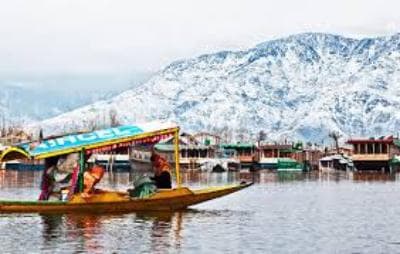
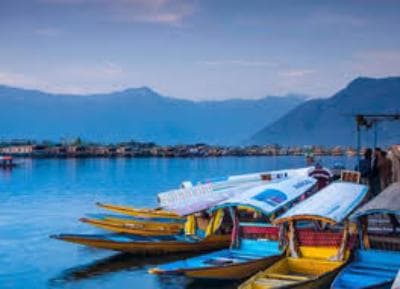
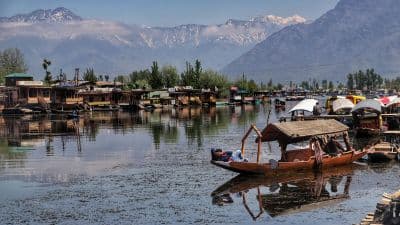
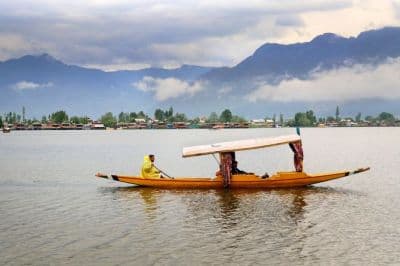
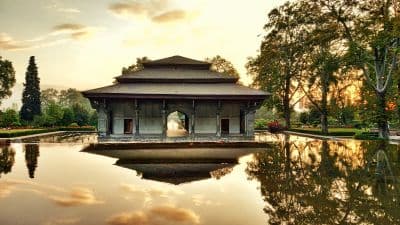
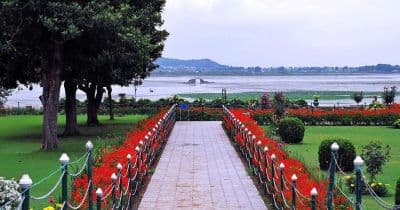
Many restaurants in Srinagar and houseboats on Dal Lake serve kehwa as a welcoming drink. In winter, it is particularly pleasant after sightseeing in Mughal gardens or after a shikara ride in the evening. The saffron used in kehwa may come from the Pampore belt, which is known for saffron cultivation, though quality and quantity vary from place to place.
Other Local Tea Variations
Some households and tea stalls also prepare simple black tea, milk tea, or spicy versions flavored with ginger and cardamom. In rural parts of Kashmir, tea may be made stronger and richer to suit colder weather and longer workdays. You may also encounter homemade herbal infusions in family settings, though these are less standardized and depend on what is available in the kitchen.
The Samovar Tradition Explained
The samovar is one of the most recognizable symbols of Kashmiri tea culture. Traditionally, it is a metal tea urn used to heat water and keep tea warm for long periods. In older homes and some heritage kitchens, it remains both functional and ceremonial, especially during gatherings and winter meals.
A Kashmiri samovar is often decorated with engraved patterns and may be made of copper or brass. Charcoal or coal is used in the center to provide gentle, steady heat. The tea brewed in or around it is not rushed; it is meant to be shared, replenished, and enjoyed over time. In many families, the samovar is as much about hospitality as it is about making tea.
How a Samovar Differs from an Ordinary Kettle
Unlike a regular kettle, a samovar is designed for serving groups and maintaining warmth for extended periods. It creates a social setting, often placed in the center of a room or near guests so everyone can serve themselves or be served in turn. For visitors, seeing a samovar in use offers a glimpse into Kashmiri domestic life that is far more personal than a restaurant cup of tea.
Where to Experience Tea Culture in Kashmir
Srinagar: Old City Homes, Lakeside Houses, and Tea Counters
Srinagar is the best place to begin if you want a broad introduction to Kashmir’s tea culture. In the old city, traditional bakeries and tea counters still serve noon chai with fresh bread in the early morning. Around Dal Lake and Nigeen Lake, houseboats and family-run guesthouses often serve kehwa after sunset or with evening snacks.
If you are staying in Srinagar for two or three nights, keep one afternoon free for a slow tea experience rather than a rushed sightseeing schedule. Ask your hotel host or houseboat owner about local tea customs; many are happy to explain how tea is prepared at home and what they prefer to serve during different seasons.
Gulmarg and Pahalgam: Tea After the Cold
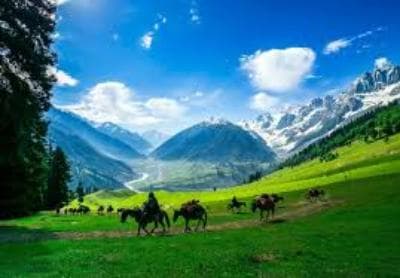
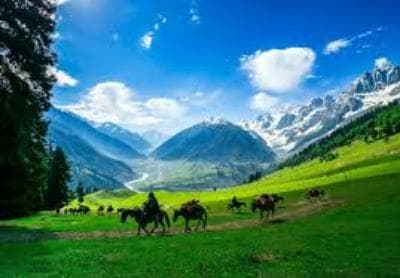
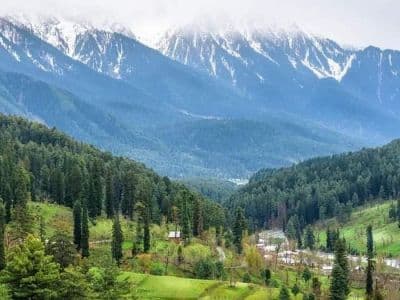
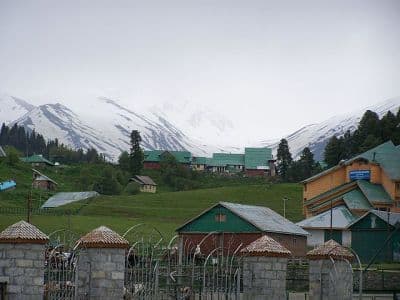
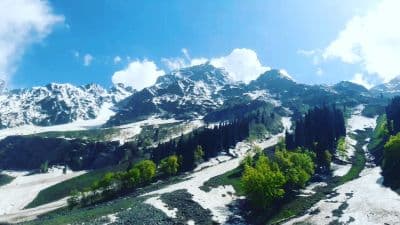
In Gulmarg, tea feels especially satisfying after a gondola ride or a long walk in the meadows. Even in summer, the weather can turn cool quickly, so hot kehwa or milk tea is welcome in the late afternoon. In Pahalgam, tea breaks often accompany river walks, pony rides, and day trips to nearby valleys.
Expect more casual service in these hill areas, where small eateries focus on warmth and convenience. Tea here may be less ceremonial than in Srinagar, but the setting often makes it memorable. Carry cash and check prices before ordering, as rates can vary by location and season.
Bakery Streets and Local Markets
To see tea culture in everyday life, visit bakery lanes and neighborhood markets. The combination of fresh bread, tea, and chatter is one of the most authentic urban experiences in Kashmir. Areas around Srinagar’s older neighborhoods are especially good for observing how locals stop for a quick cup before work or shopping.
What Tea Is Usually Served With
Tea in Kashmir is rarely served alone. It is paired with breads, snacks, and in some homes even light savory items. The pairing depends on the tea type and the time of day.
- Girda - round Kashmiri bread often eaten with noon chai in the morning
- Lavasa - thin flatbread that works well with both noon chai and kehwa
- Bakarkhani - layered bread or biscuit-like snack, common in tea shops
- Almonds and dried fruits - often served with kehwa in homes and at formal gatherings
- Local cookies and bakery snacks - found in cafes and tea stalls across Srinagar
If you are invited into a home, accept what is offered unless you have dietary restrictions. Kashmiri hosts often take pride in the accompanying breads and the rhythm of serving tea slowly. It is considered polite to show appreciation, even if you only take a small amount.
Seasonal Tea Experiences You Should Plan For
Kashmir’s tea culture changes noticeably by season. From November to February, noon chai and kehwa feel almost essential because the weather can be cold enough to make hot drinks part of every outing. In spring, tea becomes lighter and more social, often enjoyed during garden visits and family gatherings. In summer, especially in Srinagar, tea is still important but may be served more casually in the evenings.
If you are visiting during Ramadan or festival periods, some tea and snack routines may shift. Shops can open later, family gatherings may become more frequent after sunset, and sweet or savory offerings may change based on the occasion. Always confirm timings with your hotel, guide, or host, since local schedules can vary widely.
How to Enjoy Tea Culture Respectfully
Tea traditions in Kashmir are warm and welcoming, but a few simple habits will help you blend in. Drink slowly, especially if you are in a home setting, because the tea is often part of conversation rather than a quick refreshment. If someone offers second servings, accept only if you are comfortable; otherwise, a polite thank-you is enough.
When visiting homes or heritage stays, ask before photographing the samovar, the tea setup, or people serving tea. Some families enjoy sharing their customs, while others prefer a more private atmosphere. If you are unsure about the saltiness of noon chai, ask first; it is normal to be curious, but it is better to know what to expect before your first sip.
Practical Travel Tips for Tea Lovers
A tea-focused Kashmir trip works well as part of a 4- to 6-day itinerary. Srinagar is the best base for tasting a wide range of teas, while Gulmarg and Pahalgam offer scenic breaks with a stronger mountain feel. For a comfortable trip, budget around Rs.1,500-Rs.3,500 per day for food and drinks if you are eating at mid-range local places, though heritage hotels and premium houseboats will cost more.
| Tea Experience | Best Place | Typical Cost | Best Time |
|---|---|---|---|
| Noon chai with bread | Old Srinagar bakeries and tea stalls | Rs.30-Rs.100 | Early morning |
| Kehwa in a hotel or houseboat | Dal Lake, Nigeen Lake, Srinagar | Rs.80-Rs.250 | Evening |
| Traditional tea in a family setting | Local homes, guided cultural visits | Usually included or host-dependent | Anytime by invitation |
| Cafe-style tea and snacks | Srinagar city areas | Rs.150-Rs.400 | Afternoon or evening |
Because prices and availability change, confirm rates before ordering, especially in tourist zones and during peak season. If you are booking a guided cultural experience, ask whether tea and snacks are included so you can compare value properly.
Frequently Asked Questions
Is Kashmiri kehwa sweet or salty?
Kehwa is usually lightly sweet or unsweetened, depending on the household or restaurant. It is quite different from noon chai, which is salty and creamy. If you prefer a gentler flavor, ask for a mild version or try it with almonds and a snack.
What is the difference between noon chai and kahwa?
Noon chai is a pink, salty milk tea made with baking soda and tea leaves. Kehwa is a green tea infused with saffron, cardamom, cinnamon, and almonds. They are served for different moods and occasions, and both are central to Kashmiri hospitality.
Can I see a samovar in use at a hotel or houseboat?
Yes, some heritage-style hotels and traditional houseboats use samovars for tea service or display. It depends on the property and the season, so ask in advance if this is important to you. A few homestays may also use one for special guest service.
When is the best time to experience tea culture in Kashmir?
Winter is the most atmospheric season for tea, especially if you want to enjoy hot noon chai or kehwa after being out in the cold. Spring and autumn are also excellent because the weather is comfortable and the tea breaks fit naturally into sightseeing. Summer is less dramatic but still rewarding, especially in Srinagar evenings.
Do I need to worry about hygiene at tea stalls?
Most travelers have no issues if they choose busy stalls with steady turnover and visible preparation. Look for clean serving cups, fresh bread, and tea that is made to order. If you have a sensitive stomach, stick to established cafes, good hotels, or recommended local eateries.
Can I buy Kashmiri tea ingredients to take home?
Yes, you can often find saffron, green tea, cardamom, and packaged Kashmiri tea mixes in Srinagar markets and at specialty stores. Check quality carefully, especially for saffron, and buy from trusted sellers if possible. Prices vary widely, so compare a few options before purchasing.
Conclusion
Kashmir’s tea culture is one of the easiest and most meaningful ways to understand the valley. From the first cup of noon chai in a bakery lane to the last kehwa served in a warm houseboat room, each sip tells you something about local life, hospitality, and rhythm. If you take the time to sit, taste, and ask questions, you will come away with a far richer travel experience than sightseeing alone can offer.
Share this post with someone planning a Kashmir trip so they can enjoy the valley one cup of tea at a time.
Planning a Kashmir trip?
Tell us your dates and who is travelling. Up to three local travel companies send you their itinerary and price.
Get free quotesDisclaimer: The information in this blog is for general information only. We try to keep it accurate and up to date, but TravelSetu accepts no liability for errors or omissions. If you believe any part of it infringes your rights, please write to info@travelsetu.com.