Kashmir Traveller Etiquette in Shrines and Mosques
If you are planning a trip to Kashmir and want to visit its mosques and shrines with confidence, this guide will help you do it respectfully and comfortably. From Srinagar’s old city mosques to revered shrines like Hazratbal and Khanqah-e-Moula, a little local awareness goes a long way toward making your visit smooth, welcome, and meaningful.
Why etiquette matters in Kashmir’s religious spaces
Kashmir’s mosques and shrines are active places of worship, not just sightseeing stops. People come here to pray, read the Quran, meet family, and spend quiet time, so your behaviour affects the experience of everyone around you. When you dress appropriately, move calmly, and follow local customs, you are showing respect to both the place and the people who care for it.
This is especially important in Srinagar, where famous sites like Jamia Masjid in Nowhatta, Hazratbal on the Dal Lake side, and Khanqah-e-Moula near the river are part of daily life, not staged attractions. You will usually be welcomed warmly if you are considerate, but casual behaviour, loud conversations, or intrusive photography can quickly feel out of place.
What to wear before you enter
Modest clothing is the simplest rule to remember. In Kashmir’s mosques and shrines, aim for clothes that cover your shoulders, chest, and legs. Men should avoid sleeveless vests, very short shorts, or gym wear. Women should choose outfits that are loose and modest; a kurta with trousers, salwar kameez, or a long dress with a dupatta works well.
In colder months, from late October to March, many travellers wear jackets, shawls, and layers anyway. Even then, the key is to keep your clothing respectful once you step inside. If you are wearing a scarf, keep it handy, as some sites may expect women to cover their heads. A light cotton stole is useful in summer, and a woollen scarf is better from November onward.
It is also smart to avoid clothing with large logos, slogans, or flashy prints when visiting sacred spaces. You do not need formal wear, but neat and understated clothing helps you blend in better and reduces unwanted attention.
Footwear, entry, and movement inside
Most mosques and shrines in Kashmir require you to remove your shoes before entering the prayer area or inner courtyard. Look for a shoe rack, a designated shelf, or guidance from the caretaker. In busy places, it helps to carry a small bag for your socks if you prefer not to walk barefoot.
Walk slowly and avoid stepping over prayer mats, people sitting in reflection, or items placed for worship. If a space is crowded, wait rather than pushing through. Many visitors focus on the building and forget that worshippers may be arriving for namaz or special prayers, especially around Friday afternoons and during evening prayer times.
Keep your voice low. Even in open courtyards, you are expected to speak softly, if at all. If you are with children, brief them before entering so they understand that running, shouting, or chasing pigeons is not appropriate inside or around active prayer areas.
Photography rules: when to ask and when to stop
Photography is one of the most sensitive issues for travellers. Some Kashmir shrines allow photos in outer courtyards or from designated public areas, but many people prefer no photography inside prayer spaces. The safest approach is simple: ask first, and if the answer is unclear or hesitant, do not take pictures.
Never photograph people while they are praying, reading, or in private conversation without explicit permission. This is especially important for women, elderly worshippers, and religious leaders. If you do receive permission, keep the camera quiet, do not use flash, and avoid moving too close.
Drone use is a bad idea around religious sites. Even if it is legal in some broader tourist areas, it is intrusive around shrines and mosques and can create serious discomfort. If you want good travel photos, focus on the architecture from outside, the patterns on doors and arches, or public views from a respectful distance.
How to behave during prayer times and gatherings
Prayer times can change the mood of a site completely. A mosque that is quiet in the morning may become crowded just before namaz, especially on Fridays or during religious occasions. If you arrive and notice the area filling up, pause and let worshippers pass first.
Do not stand directly in front of someone who is praying. If you need to cross an area where people are in prayer, wait for a gap or walk behind them if there is no alternative. Refrain from eating, drinking, or chewing gum in prayer spaces unless you are specifically outside the worship area and it is clearly acceptable.
At shrines, you may notice visitors reciting prayers, offering flowers, or spending quiet time in reflection. Even if you are unfamiliar with the rituals, stay observant and follow the lead of those around you. The goal is not to imitate every practice, but to avoid interrupting what others are there to do.
Etiquette specific to famous Kashmir shrines and mosques
Hazratbal Shrine, Srinagar
Hazratbal is one of the most important shrines in Kashmir and draws a large number of locals and visitors. Treat it as a deeply revered place: dress modestly, move quietly, and be patient at security checks and during busy hours. If you are unsure where visitors are allowed to stand or photograph from, ask a caretaker rather than guessing.
Jamia Masjid, Nowhatta
Jamia Masjid is known for its wooden architecture and spacious courtyard, but it is still an active mosque at the centre of old Srinagar life. Respect the prayer areas, avoid wandering into restricted sections, and keep in mind that the lanes around Nowhatta can be crowded. The best time for a calmer visit is usually earlier in the day, but timings can change, so confirm locally before you go.
Khanqah-e-Moula
Khanqah-e-Moula on the Jhelum side is associated with devotion, history, and a strong spiritual atmosphere. The site can be busy during prayer times and special occasions, so move gently and avoid treating it like a heritage monument alone. It is one of those places where silence and restraint matter more than taking in every detail with a camera.
Talking to caretakers and locals the right way
If you are unsure about anything, ask politely. A simple, respectful question in English or Urdu/Hindi is usually enough, and a local caretaker will often guide you without fuss. Use phrases like “May I enter here?” or “Is photography allowed?” rather than assuming.
Be careful about what you say in conversations around religion, politics, or local customs. You may be a guest in someone’s sacred space, so keep opinions about faith and community history to yourself unless invited into a deeper discussion. Kashmiris are often warm and helpful, but respect is expected in return.
If someone offers tea, advice, or directions, accept graciously and thank them. Small courtesies matter. In many places around Srinagar, especially near older neighbourhoods, people notice whether visitors behave with humility.
Practical tips for planning your visit
For a shrine-and-mosque-focused day in Srinagar, allow 4-6 hours if you want to visit two or three sites without rushing. A local cab for half a day may cost around ?1,800-?3,500 depending on distance, season, and bargaining style. Auto-rickshaws and app-based transport can be available in some parts, but for old city lanes and multiple stops, a hired cab is usually simpler.
Entry to most mosques and shrines is free, though donations may be accepted in some places. Carry small cash in case you need to buy a scarf, donate, or pay for parking. Weather changes quickly in Kashmir, so keep an umbrella or rain cover in the monsoon months and warm layers from November to February.
Try to avoid entering right after a heavy meal or with strong food smells. This is especially relevant if you have had onion-heavy or pungent food. It is not a formal rule everywhere, but subtle habits like this show thoughtfulness and help you feel less conspicuous.
| Situation | What to do | What to avoid |
|---|---|---|
| Entering a mosque | Remove shoes, dress modestly, speak softly | Walking in casually, wearing revealing clothes |
| Inside a shrine | Follow caretakers’ guidance, stay respectful | Touching objects without permission, crowding people |
| Photography | Ask before clicking, keep flash off | Photographing worshippers or prayer areas without consent |
| Prayer time | Wait quietly, let people pass first | Talking loudly or crossing in front of those praying |
What women travellers should know
Women generally visit Kashmir’s shrines and mosques with no problem as long as they dress modestly and follow the site’s directions. At some places, there may be separate entry or prayer areas for women, while at others the space is shared but organised by local practice. If you are travelling with family or friends, keep your scarf ready and be prepared to adapt to the layout on arrival.
If you feel uncertain in a crowded old-city setting, visit during quieter daylight hours and consider going with a local guide or driver who knows the routines. A practical guide can help you avoid awkward moments and save time finding entrances, shoe areas, and the right courtyards.
Common mistakes to avoid
- Entering without checking if a prayer is underway.
- Assuming every shrine or mosque has the same photography rules.
- Wearing shorts, sleeveless tops, or highly casual clothes.
- Making loud phone calls inside or near the prayer area.
- Walking around with shoes on where they should be removed.
- Discussing sensitive religious or political topics casually with strangers.
Frequently Asked Questions
Do I need to cover my head in every mosque or shrine in Kashmir?
Not always, but carrying a scarf is a smart choice, especially for women. Some places will expect head covering inside prayer areas, while others may be more relaxed in outer courtyards. When in doubt, follow what local worshippers are doing or ask a caretaker.
Can non-Muslims visit shrines and mosques in Kashmir?
Many sites welcome respectful visitors, especially if you follow the local rules. Access can vary depending on the time of day, prayer schedules, security checks, or the specific site. Always check locally before planning your visit.
Is photography allowed inside Kashmir mosques and shrines?
It depends on the site and the situation. Some places allow limited photography in public areas, while others prefer no photos at all inside worship spaces. When in doubt, ask clearly and accept the answer without debate.
What is the best time of day to visit?
Earlier in the day is often calmer, especially if you want to see the architecture and move without crowds. Fridays and major religious occasions can be busier, and prayer times change daily. If your priority is etiquette and ease, avoid arriving just before or during congregational prayers.
Can I visit these places while sightseeing around Srinagar?
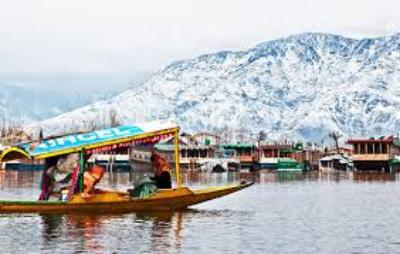
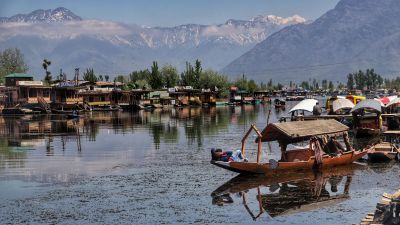
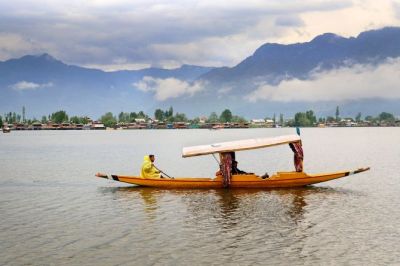
Yes, and many travellers do. You can combine a shrine visit with nearby attractions like Dal Lake, the old city lanes, or a Shikara ride later in the day, as long as you plan enough time and do not rush the religious visit. Keep your schedule flexible because traffic and crowds in Srinagar can be unpredictable.
Should I hire a guide for shrine visits in Kashmir?
A guide is not essential, but it can be very helpful if you are new to the area or want a smoother experience in the old city. Expect to pay roughly ?1,500-?3,500 for a knowledgeable local guide depending on duration and route. A good guide can explain customs, help with timings, and reduce awkward mistakes.
Conclusion
Visiting Kashmir’s shrines and mosques can be one of the most memorable parts of your journey, but only if you approach them with patience, modesty, and respect. A little preparation on clothing, timing, photography, and behaviour will help you feel at ease while honouring the people and traditions around you.
If this guide helped you plan your Kashmir trip better, share it with fellow travellers who want to visit the valley respectfully.
Disclaimer : The information provided in this blog is for general informational purposes only. While we strive to keep the content accurate and updated, TravelSetu assumes no liability for errors or omissions. If you believe any part of this blog infringes your rights or causes concern, please notify us immediately at info[at]travelsetu[dot]com so that appropriate action can be taken.