Kashmir Valley Districts Explained for Travellers
If you are planning a trip to Kashmir and keep hearing different district names, this guide is for you. The Kashmir Valley is not one single travel experience; each district has its own landscape, seasonality, access routes, and style of sightseeing. By the end, you will know which districts suit lake stays, snow trips, meadow drives, saffron fields, offbeat escapes, or a short family holiday.
Travellers often book “Kashmir” without realising how much the choice of district shapes the trip. A few kilometres can change the weather, the road conditions, the kind of hotel you should choose, and even how much time you need each day. Let’s break the valley down in a practical way.
How Kashmir Valley is laid out
The Kashmir Valley sits north of the Jammu region and is surrounded by mountain ranges, orchards, rivers, lakes, and forested slopes. For travellers, the most important thing is that the valley is divided into districts, and each district acts like a travel zone with its own main towns and attractions. Distances may look short on a map, but mountain roads and traffic can make journeys slower than expected.
If you are visiting for 4-7 days, you will usually stay in one or two base areas and do day trips. Srinagar is the easiest base, while districts such as Pahalgam, Gulmarg, or Sonamarg sit within or near valley districts and are usually reached through district-level road networks. Always check road status before moving between places, especially in winter and during heavy rain.
Srinagar district: the most practical base
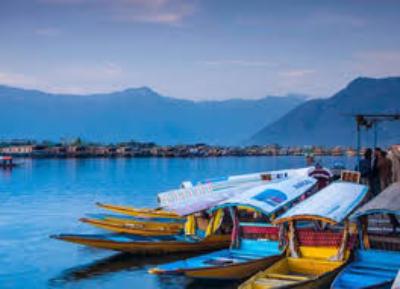
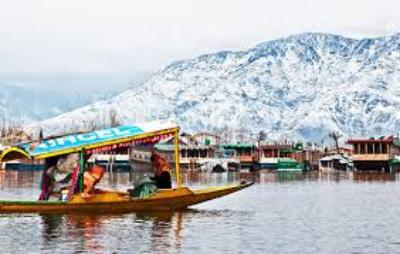
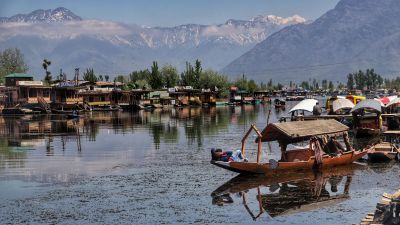
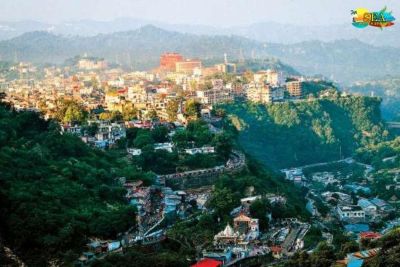
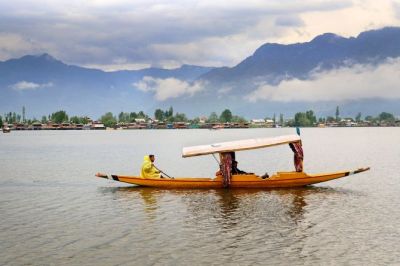
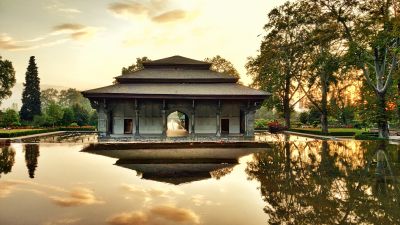
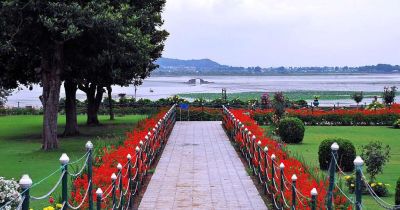
Srinagar is the capital city and the starting point for most travellers. It is where you will find Dal Lake, Nigeen Lake, the Mughal gardens, old city lanes, Hazratbal, shikara rides, and the widest range of hotels and houseboats. If this is your first Kashmir trip, staying in Srinagar for at least 2-3 nights makes the whole plan easier.
This district suits couples, families, senior travellers, and anyone who wants a comfortable introduction to Kashmir. You can stay near Dal Lake for the classic experience or choose a quieter area such as Nigeen if you prefer less bustle. For accommodation, expect around ?2,500-?6,000 per night for decent hotels and ?3,500-?9,000 or more for houseboats, depending on view, season, and meal inclusion.
Good for: lake stays, local sightseeing, shopping, easy airport access.
Travel tip: Give yourself a full day for Srinagar city sightseeing rather than rushing through it.
Ganderbal district: for Sonamarg and alpine day trips
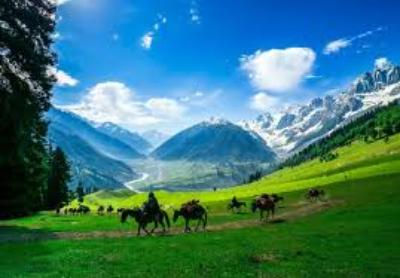
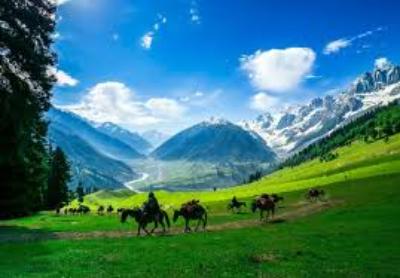
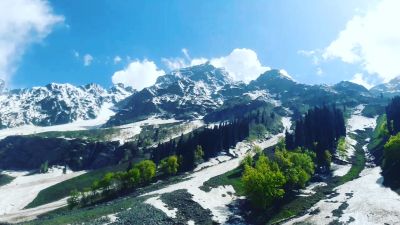
Ganderbal is one of the most important districts for travellers because it connects Srinagar to Sonamarg and the higher mountain routes. Sonamarg, around 80 km from Srinagar, usually takes 2.5-3.5 hours by road depending on traffic and road conditions. The drive itself is part of the attraction, with the Sindh River and changing mountain scenery along the way.
This district is ideal if you want alpine meadows, glacier views, and a cooler climate without moving too far from Srinagar. Many people do Sonamarg as a day trip, but if you want a slower pace, staying nearby for one night can work well in the warmer months. In peak season, basic hotels may start around ?2,000-?4,000 per night, while better properties can cost more.
Do remember that access to some higher areas from Sonamarg can depend on weather and local permissions. If you are planning pony rides, river activities, or a visit to elevated viewpoints, confirm locally before paying in advance.
Baramulla district: Gulmarg, rivers, and western valley views
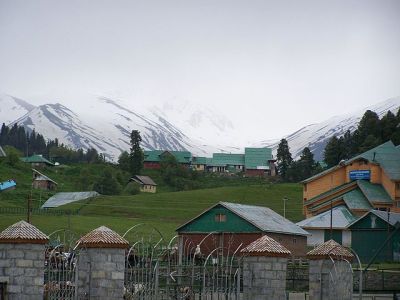
Baramulla is a large district in the northwest part of the valley, and for most travellers it is associated with Gulmarg. Gulmarg sits roughly 50-55 km from Srinagar, and the road journey usually takes 2-3 hours. Winter visitors come here for snow and skiing, while summer travellers come for the green slopes, gondola rides, and wide valley views.
The district is best for travellers who want a more active holiday. Gulmarg is not just about scenery; it is also one of Kashmir’s strongest places for snow sports when the season is right. If you are visiting in January to March, book early because room rates can rise sharply, often crossing ?5,000-?12,000 per night for good properties, and availability can get tight.
Baramulla district also includes river valleys and quieter stretches that are less touristed than Gulmarg. If you prefer a calmer route, ask your driver about villages and local drives near the Jhelum side rather than only doing the standard tourist circuit.
Anantnag district: Pahalgam, Aru, Betaab Valley, and trekking access
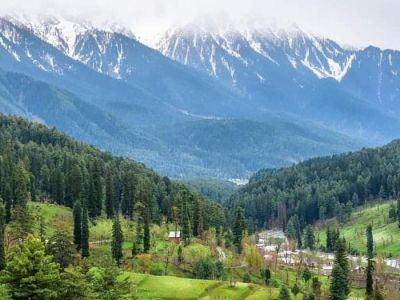
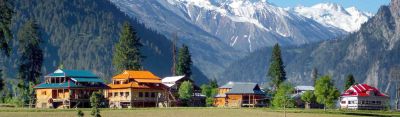
Anantnag is one of the most traveller-friendly districts in Kashmir because it opens into the Pahalgam region. Pahalgam lies about 90 km from Srinagar and typically takes 2.5-4 hours by road. This district is a favourite for nature breaks, river views, pony rides, and shorter Himalayan treks.
If you are travelling with children or older family members, Pahalgam is often easier than higher-altitude destinations. The town is pleasant in spring and summer, and places like Aru Valley, Betaab Valley, and Chandanwari are common add-ons. Depending on the season, hotels in Pahalgam generally range from ?3,000-?8,000 per night, with higher rates during long weekends and peak tourist months.
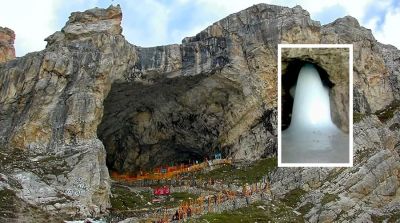
This district is also important for pilgrims and trekking travellers because routes toward the Amarnath Yatra base areas move through this zone. If your trip overlaps with pilgrimage season, expect crowds, tighter security, and busier roads.
Shopian district: orchards, rural Kashmir, and quieter road trips
Shopian is one of the southern valley districts and is known for orchards, apples, and a slower rural rhythm. It is less common as a first-time tourist base, but it matters if you enjoy offbeat drives, local markets, and agricultural landscapes. The district becomes especially attractive in fruit season, when apple orchards and walnut trees give the area a very different look from the better-known lake and meadow circuit.
Travellers usually pass through or near Shopian on the way to southern valley routes rather than staying here for long. If you are building a photography-focused itinerary or want to see everyday Kashmir beyond the hotel circuit, ask about a Shopian detour. Do not expect the same range of tourist facilities as Srinagar or Pahalgam, though, so planning matters.
Pulwama district: saffron fields, village life, and spring colour
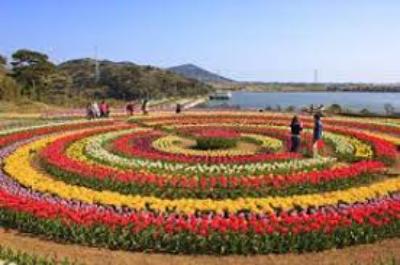
Pulwama is famous across India for saffron cultivation, especially around Pampore, which lies on the Srinagar-Jammu highway corridor. If you travel in autumn, you may see saffron fields in bloom around October and early November, though the exact timing varies with weather. The district also offers orchards, rural roads, and easy access from Srinagar, making it suitable for half-day or full-day excursions.
For travellers, Pulwama works best as a cultural and agricultural stop rather than a full standalone base. It is a good district to include if you want to understand Kashmir beyond the scenic highlights. Costs for local experiences are modest, but always confirm prices on the spot because seasonal demand can affect what drivers and guides quote.
Bandipora district: Wular Lake and quieter north Kashmir
Bandipora is one of the more interesting districts for travellers who want open spaces and less crowded roads. It is linked strongly with Wular Lake, one of the larger freshwater lakes in the region, and with access to the northern side of the valley. The area feels more rural and spacious than central Srinagar, and that can be a relief if you want a slower day away from the busiest tourist zones.
This district suits travellers who like birdlife, waterside scenery, and gentler road trips. It is not usually a first base for a short holiday, but it can be a rewarding add-on if you have 6-7 days in Kashmir. As with most north Kashmir travel, check road and weather conditions before setting out, especially in colder months.
Kupwara district: offbeat valleys and frontier landscapes
Kupwara sits in the northwestern part of the valley and offers some of the most remote-feeling landscapes in Kashmir. It is not as built up for tourism as Srinagar or Gulmarg, but that is part of its appeal for experienced travellers. Depending on route and permissions, the district can offer forest drives, meadows, and a deeper sense of local life.
This is best for travellers who have already seen the main circuit and want something quieter. Because facilities are more limited, you should plan fuel, food, and overnight stays carefully. A day trip may be possible in some cases, but do not assume everything will be easy to access year-round.
Which Kashmir district should you choose?
If you are unsure where to stay, think in terms of travel style rather than just place names. Most travellers do well with Srinagar as a base, then add one or two district trips depending on time and season. Here is a simple comparison to help you decide.
| District | Best for | Typical stay | Indicative hotel budget |
|---|---|---|---|
| Srinagar | Lakes, city sightseeing, easy base | 2-3 nights | ?2,500-?9,000 per night |
| Ganderbal | Sonamarg, mountain day trips | Day trip or 1 night | ?2,000-?6,000 per night |
| Baramulla | Gulmarg, snow, gondola rides | 1-2 nights | ?3,500-?12,000 per night |
| Anantnag | Pahalgam, trekking, family trips | 1-2 nights | ?3,000-?8,000 per night |
| Pulwama | Saffron fields, rural sightseeing | Half-day or day trip | Usually as part of Srinagar stay |
| Bandipora | Wular Lake, quiet road trips | Day trip or 1 night | Varies by facility |
| Kupwara | Offbeat landscapes | 1 night or more | Limited options |
Best time to visit different districts
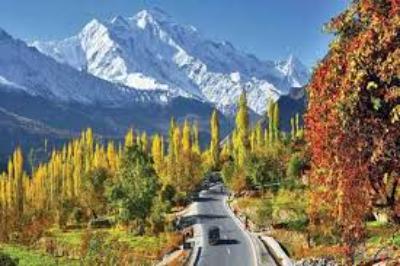
The best month depends on what you want to see. For Srinagar, April to June is pleasant for gardens and lake time, while September to November gives crisp air and autumn colours. Gulmarg in Baramulla district is strongest for snow from December to February, though snowfall timing can vary. Pahalgam in Anantnag is lovely from April to October, with cooler summer days.
Sonamarg and other high routes in Ganderbal are usually better from late spring to early autumn, because snow can affect access in winter. Saffron viewing in Pulwama is most associated with October and early November, though exact bloom time changes from year to year. Before booking flights and hotels, confirm current road conditions and the status of local sightseeing points.
Practical travel tips for moving between districts
- Keep one buffer day in your itinerary if you are travelling in winter or during monsoon-like rain spells.
- Use Srinagar as your first base if you are arriving by flight, because airport transfers are easier from there.
- For district day trips, start early, ideally by 8 am, to avoid traffic and enjoy better daylight.
- Carry some cash for local transport, pony rides, small shops, and entry fees that may not accept cards.
- Confirm whether your hotel in a hill area has heating, warm water timing, and parking.
- If you are booking a cab for multiple districts, ask clearly whether tolls, driver stay, and waiting charges are included.
Frequently Asked Questions
Which district is best for a first-time traveller to Kashmir?
Srinagar is the easiest first base because it has the airport connection, the widest hotel choice, and quick access to Dal Lake and the Mughal gardens. From there, you can do day trips to nearby districts without changing hotels too often. If you have more time, add Pahalgam or Gulmarg for variety.
Is Gulmarg in Srinagar district?
No, Gulmarg is in Baramulla district. It is still one of the most common add-ons from Srinagar because the road connection is straightforward, though travel time can stretch in winter or during traffic. If you are planning snow activities, book your stay carefully and confirm local conditions before leaving Srinagar.
How many days do I need to cover the main Kashmir districts?
For a comfortable trip, 5-7 days is a good range. That gives you time for Srinagar plus one or two districts like Gulmarg, Pahalgam, and Sonamarg. If you only have 3-4 days, keep the plan tighter and do not try to cover too many districts in one go.
Which districts are better for snow?
Baramulla district, especially Gulmarg, is the most popular choice for snow. Ganderbal and higher parts of the valley can also receive snow depending on the season, but road access may be affected. Always confirm snowfall and accessibility before booking a winter trip.
Are south Kashmir districts safe and easy to visit for tourists?
Many travellers visit districts like Anantnag and Pulwama regularly, especially for Pahalgam and saffron-related sightseeing. That said, conditions can change, and it is wise to check local advisories, road updates, and hotel guidance before finalising plans. A little flexibility goes a long way in Kashmir.
Can I do Kashmir as a self-drive trip across districts?
It is possible for experienced drivers, but most visitors find a hired cab easier and less stressful. Mountain roads, winter conditions, and local traffic rules can make self-drive tiring, especially if you are covering multiple districts in one trip. If you do drive yourself, keep extra time in hand and avoid late-evening movement.
Conclusion
Once you understand Kashmir Valley district by district, planning becomes much simpler. Srinagar gives you the easiest base, Ganderbal opens the Sonamarg route, Baramulla brings you Gulmarg, Anantnag leads to Pahalgam, and the other districts add depth, culture, and quieter landscapes. Choose the districts that match your pace, your season, and the kind of memories you want to take home.
If this guide helped you plan better, please share the post with someone organising a Kashmir trip.
Disclaimer : The information provided in this blog is for general informational purposes only. While we strive to keep the content accurate and updated, TravelSetu assumes no liability for errors or omissions. If you believe any part of this blog infringes your rights or causes concern, please notify us immediately at info[at]travelsetu[dot]com so that appropriate action can be taken.