If you are planning a trip to Kashmir and care about its lakes, marshes and birdlife, this guide will help you see the landscape a little differently. Kashmir’s wetlands are not just scenic stopovers; they are living systems that support winter migrants, local fishing communities and the valley’s wider ecology. Understanding wetland loss here will make your birding trip more rewarding, and more responsible.
Why Kashmir’s wetlands matter so much
Kashmir is famous for its mountains and meadows, but the valley’s wetlands are just as important. Places like Hokersar, Shallabugh, Wular, Manasbal and other marshy edges of the Jhelum system act as feeding grounds, resting sites and breeding or wintering habitats for birds. In the colder months, especially from November to March, these wetlands become busy with ducks, geese, waders and other migratory species that travel thousands of kilometres along the Central Asian Flyway.
For birdwatchers, this means one thing: the health of a wetland directly shapes what you see. A clean, open wetland with enough depth and vegetation can hold large flocks. A silted, encroached or polluted one can quickly lose species diversity and bird numbers. If you are visiting Kashmir for nature, the condition of these wetlands is part of the story you are coming to witness.
What wetland loss looks like in Kashmir
Wetland loss in Kashmir is rarely dramatic in a single day. It usually happens slowly, through siltation, drainage, land conversion, encroachment, pollution, invasive plants and reduced water flow. Over time, a lake edge turns into a field, a marsh becomes shallower, and open water shrinks into patches of reeds.
In practical terms, this changes bird habitats in several ways. Dabbling ducks need shallow water with enough food plants. Diving birds need deeper sections. Waders need mudflats at specific water levels. When water levels become unstable, or when reeds take over too much open water, the wetland becomes less suitable for many species. Some birds adapt, but many move elsewhere or stop coming in large numbers.
How bird populations are affected
Bird numbers do not fall evenly. Some species cope better than others, while some decline sharply when habitat quality drops. In Kashmir, the first signs are often visible in wintering waterfowl counts. You may notice smaller flocks, fewer species per visit, or birds gathering only in a few remaining water pockets.
The impact is not limited to migratory birds. Local species that nest in marshy edges, grasslands and reed beds also lose breeding sites. Herons, egrets, reed warblers and other wetland-associated birds rely on a mix of water, vegetation and quiet nesting space. When wetlands are disturbed by dumping, grazing pressure, noise or unplanned construction, nesting success can fall even if some water remains.
Bird groups most sensitive to wetland change
- Ducks and geese: They depend on shallow feeding zones and undisturbed roosting areas.
- Waders: They need exposed mudflats and stable water levels.
- Reed-bed birds: They require healthy marsh vegetation and low disturbance.
- Raptors: They follow wetland bird populations and are affected when prey declines.
Key wetlands in Kashmir for birdwatching
If you want to understand the link between wetland loss and bird populations, these are the places where the changes are easiest to observe. Conditions vary from year to year, so treat all sightings as seasonal rather than guaranteed. It is always wise to confirm access, local regulations and best viewing hours before you go.
| Wetland | What to watch for | Typical birding season |
|---|---|---|
| Hokersar Wetland | Wintering ducks, geese, herons, marsh birds | November to March |
| Shallabugh Wetland | Migratory waterfowl, waders, reed-bed species | December to February |
| Wular Lake | Large lake birds, fish-eating species, winter migrants | Late autumn to early spring |
| Manasbal Lake and marsh edges | Mixed wetland birds, quiet morning activity | October to March |
Hokersar is often the first name birders mention. It is one of the best-known wetlands in the valley and a strong example of how delicate these ecosystems are. Even a small change in water spread or vegetation can affect bird concentration. If you arrive early in the morning, you are more likely to see birds active before human disturbance increases.
Shallabugh is another important winter site, especially for waterfowl and marsh birds. The wetland’s value lies in its open water and surrounding vegetation, which together create feeding and resting zones. If reed growth becomes too dense or water movement changes, the bird mix can shift noticeably.
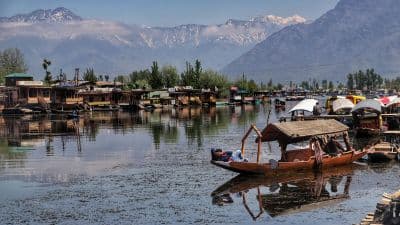
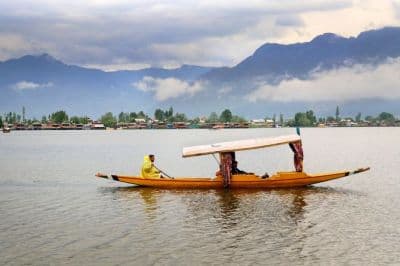
Wular Lake, one of the largest freshwater lakes in India, has a different character. It is a broad landscape of open water, reed belts and lake-edge settlements. The size of Wular means changes can feel gradual, but the effects on fish, aquatic plants and bird presence are still real. For visitors, the lake gives you a sense of how linked bird populations are to the wider water system, not just one site.
Why wetland loss has accelerated
There is no single reason behind wetland decline in Kashmir. The pressure comes from several directions at once. Sediment from upstream catchments slowly fills water bodies. Drainage and reclamation reduce wetland area. Unregulated development can block natural water movement. Wastewater and solid waste degrade water quality. In some places, invasive vegetation changes the balance of open water and marsh.
Climate variability adds another layer. Snowmelt, rainfall timing and winter temperatures influence how much water reaches these wetlands and for how long it stays. In years with unusual weather, bird presence can shift fast. A wetland that looks good on paper may not hold the same number of birds if water levels are off during migration or winter.
The birding effect you may notice on a trip
As a traveller, you may not see “wetland loss” directly, but you will notice its consequences. You may need to spend longer looking for flocks. A site that used to support several species might now show mostly a few hardy ones. Bird calls can sound thinner, and the overall sense of abundance may be reduced. This is why local guides and repeat visitors often pay close attention to water depth, reed cover and the state of the shore.
The best time to visit if birds are your priority
For birdwatching in Kashmir, the strongest window is generally November to March. This is when migratory waterbirds arrive and wetlands are at their most active. December and January can be especially good for seeing large winter concentrations, though cold weather can also make travel slower and mornings icy.
For a softer experience with fewer crowds, try late November or February. If you prefer comfortable sightseeing with some bird activity, early spring can work well, though by then some winter migrants may have started leaving. Always remember that bird presence varies with weather and water conditions, so there is no fixed “best” day.
How to plan a responsible birding trip in Kashmir
A responsible trip is not complicated, but it does require a bit of thought. Start early in the morning, when birds are more active and there are fewer people around. Keep your distance from nesting zones and avoid sudden movement. If you are using a long lens or binoculars, you will get better views without disturbing birds.
Hire local guides where available. They know the right approach roads, viewing points and seasonal patterns, and your spending supports people who live near these ecosystems. Stay on existing paths, avoid littering, and do not feed birds. Feeding can change bird behaviour and create dependence on human waste rather than natural food sources.
Simple do’s and don’ts for visitors
- Do: visit early and stay quiet.
- Do: carry binoculars and a reusable water bottle.
- Do: follow local access rules and ask before entering sensitive areas.
- Don’t: play loud music near wetlands.
- Don’t: throw food, wrappers or plastic into water or reed beds.
- Don’t: move too close to flocks for photos.
Travel costs and practical planning
Costs in Kashmir can vary by season, road conditions and demand, so use these as indicative ranges and confirm before booking. For a birding-focused trip, a local taxi for a full day may cost around Rs.3,000-Rs.6,000, depending on the route and hours. A comfortable hotel or guesthouse in Srinagar may range from Rs.2,500-Rs.8,000 per night, while premium stays can go higher in peak season.
If you want a guided birding experience, local nature guides may charge roughly Rs.1,500-Rs.4,000 for a half-day or full-day arrangement, again depending on the season and group size. Entry rules and any wetland-specific access restrictions can change, so check locally before setting out. If you are visiting in winter, keep buffer time in your itinerary for fog, ice or slower road travel.
What this means for the future of Kashmir’s birds
The relationship between wetlands and bird populations is direct and visible. When wetlands are protected, birds return. When water quality improves and reed beds are managed carefully, species diversity can hold steady or even recover. That is why conservation work in Kashmir matters not only for biodiversity, but also for tourism, local livelihoods and the valley’s identity.
As a traveller, you cannot solve wetland loss on your own, but you do influence how these places are valued. Choosing responsible operators, respecting access rules and talking about what you saw helps create demand for conservation-minded tourism. In a destination like Kashmir, that matters. Birdlife is not just an attraction here; it is a sign of ecological health.
Frequently Asked Questions
Which Kashmir wetlands are best for birdwatching?
Hokersar, Shallabugh, Wular Lake and Manasbal’s marshy edges are among the better-known birding sites. The exact mix of species changes with season, water level and weather. Winter months usually offer the most active waterbird viewing.
When should I visit Kashmir for migratory birds?
The strongest period is usually from November to March. December and January often bring larger winter concentrations, though it can be quite cold. If you prefer slightly easier travel, late November or February can be a good balance.
Why do bird numbers fall when wetlands shrink?
Birds need a combination of open water, shallow feeding areas, vegetation and quiet resting space. When a wetland shrinks or becomes polluted, those conditions weaken. Some birds move away, while others may stop breeding successfully.
Can I see birds without a guide?
Yes, you can visit some wetlands independently, but a local guide often improves the experience. They know where birds are active, how to approach without disturbing them and which areas are best at different times of year. They can also help you avoid access issues.
Is winter the only good season for birding in Kashmir?
Winter is the peak season for migratory waterbirds, but not the only useful time. Spring and early summer can still offer good sightings of resident and breeding species, especially around quieter marsh edges. Your target species should decide your timing.
What should I carry for a wetland birding trip?
Carry binoculars, warm layers, waterproof shoes, a hat, drinking water and a small snack. In winter, gloves and thermals make a big difference because mornings can be very cold. A camera with a zoom lens is helpful, but not necessary.
Kashmir’s wetlands are part of what makes the valley so alive, especially in the birding months. If you go with patience and respect, you will not only enjoy better sightings, you will also understand why protecting these waters matters so much. Share this post with someone planning a Kashmir trip who would love to see the valley through its birds and wetlands.
Planning a Kashmir trip?
Tell us your dates and who is travelling. Up to three local travel companies send you their itinerary and price.
Get free quotesDisclaimer: The information in this blog is for general information only. We try to keep it accurate and up to date, but TravelSetu accepts no liability for errors or omissions. If you believe any part of it infringes your rights, please write to info@travelsetu.com.