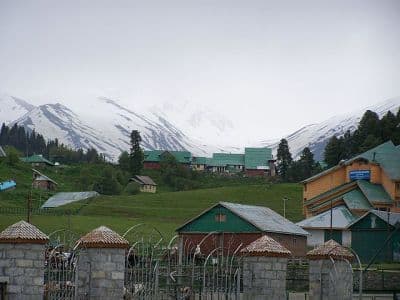
If you are planning a Kashmir trip and want to keep your footprint light, this guide is for you. It will help you travel through Srinagar, Gulmarg, Pahalgam, Sonamarg and nearby valleys with practical zero-waste habits that fit real travel in India, not theory.
Kashmir rewards slow, mindful travel. The more you rely on refillable bottles, reusable bags, local transport, simple meals and careful packing, the easier it becomes to enjoy the lakes, meadows and markets without creating extra waste along the way.
Why zero-waste travel matters in Kashmir
Kashmir’s landscapes are beautiful but fragile. Popular areas such as Dal Lake, Nigeen Lake, Gulmarg, Betaab Valley, Aru, Yousmarg and the road stretches around Sonamarg see heavy seasonal pressure, especially from April to June and again around the autumn holiday period. Single-use plastic, food wrappers and disposable cups quickly add up in tourist zones, on ghats and at viewpoints.
A zero-waste approach does not mean being perfect. It means reducing what you carry in, reusing what you already have, and choosing services that generate less rubbish. In Kashmir, that often translates into small decisions: carrying your own bottle on houseboat walks, asking for tea in a steel cup instead of a disposable one, and refusing extra plastic bags in local markets.
Pack smart before you leave for Kashmir
The easiest way to stay low-waste is to pack for it before you even board the flight or train. If you are travelling from Delhi, Mumbai, Bengaluru, Kolkata or Hyderabad, your journey may include a flight into Srinagar or a train-plus-road combination via Jammu. Either way, a little preparation saves money and waste later.
Reusable essentials to carry
- Refillable water bottle: A 1-litre steel bottle works best in Kashmir’s cool climate and long road drives.
- Cloth shopping bag: Useful for saffron, dry fruits, apples, papier-mâché items and shawls from local markets.
- Lunch box or snack container: Handy for day trips to Gulmarg, Pahalgam or Sonamarg where packaged food is often overused.
- Metal or bamboo cutlery set: Helpful if you buy takeout kahwa, snacks or picnic food.
- Handkerchief or reusable cloth napkin: Better than piles of tissue paper for everyday use.
- Small dry bag: Keeps wet waste separate until you find a bin.
- Solid toiletries if possible: Soap bars, shampoo bars and a refillable sunscreen container reduce plastic bottles.
Carry only what you will actually use. A bulky zero-waste kit becomes inconvenient in mountain travel, especially if you are moving between hotels, houseboats and taxis.
Pack layers, not disposables
Kashmir’s weather changes quickly. In Srinagar, spring and autumn mornings can feel chilly, while Gulmarg and Sonamarg stay colder than the valley floor. Layered clothing reduces the need to buy emergency plastic raincoats, single-use ponchos or disposable hand warmers. A light waterproof jacket, thermals in colder months and a compact umbrella are more practical and cleaner choices.
Choose low-waste stays in Srinagar, Gulmarg and Pahalgam
Your accommodation can shape your waste footprint more than any other single choice. In Srinagar, many travellers stay in houseboats on Dal Lake or Nigeen Lake, while others prefer guesthouses, boutique hotels and homestays. In the hill towns, options range from basic lodges to upscale resorts.
What to ask before booking
When you speak to a hotel or homestay, ask simple questions: Do they provide refillable drinking water? Can you opt out of daily linen and towel changes? Do they use dispensers for soap and shampoo rather than tiny bottles? Can they help with segregating dry and wet waste? These are small questions, but they reveal whether the property is genuinely making an effort.
Indicative room rates in Kashmir vary widely by season. In Srinagar, a clean mid-range guesthouse or homestay may cost around Rs.2,000-Rs.5,000 per night, while better houseboats and boutique stays can be Rs.4,000-Rs.12,000 or more in peak season. In Gulmarg and Pahalgam, prices often rise sharply during summer and snowfall periods, so always confirm before booking.
Houseboat etiquette that reduces waste
If you stay on a houseboat, avoid requesting disposable toiletries and excess bottled water. Bring a refillable bottle and ask whether filtered water is available. Many houseboats serve meals in proper crockery, which is good news for zero-waste travel; just be careful not to leave behind tissues, snack wrappers or plastic packaging from outside food.
Eat local, eat simply, waste less
One of the easiest ways to travel responsibly in Kashmir is to eat at places that serve fresh food in reusable dishes. Kashmiri meals are naturally suited to this style of travel because they are often cooked in-house and shared in proper vessels. Traditional Wazwan meals, kahwa, noon chai, rajma-chawal, dum aloo, nadru dishes and local breads are usually served without the clutter of excessive packaging.
How to keep food waste low
- Order smaller portions first, especially if you are not used to Kashmiri spice levels.
- Carry leftovers in your own container when possible.
- Prefer sit-down meals over heavily packed snacks from chain stores.
- Buy fruit from local vendors instead of individually wrapped processed snacks.
- Ask for tea in a reusable cup if you are stopping at road-side stalls.
On long drives to Sonamarg or around the Srinagar outskirts, road-side tea and snacks are common. You may not always avoid packaging, but you can reduce it by asking for fewer napkins, skipping plastic straws and refusing extra carry bags for a single packet.
Markets worth exploring mindfully
Head to Srinagar’s Lal Chowk and nearby markets for handicrafts, dry fruits, saffron and winter essentials. In Pahalgam and Gulmarg, local stalls often sell woollens and souvenirs, though prices can be higher in tourist-heavy stretches. Carry cash in smaller denominations and your cloth bag so you do not accept a plastic bag just because the seller offers one quickly.
Move around Kashmir in a cleaner way
Transport choices matter in Kashmir because many sightseeing routes are road-based. Distances are not huge, but travel times can be long because of mountain roads, traffic and security checks. Srinagar to Gulmarg is roughly 50 km and usually takes about 2 to 3 hours. Srinagar to Pahalgam is around 90 km and may take 2.5 to 4 hours. Srinagar to Sonamarg is about 80 km and often takes 2.5 to 4 hours depending on conditions.
Best transport choices for lower waste
Shared taxis, local buses where available, and group cabs are better than hiring multiple vehicles for short distances. If you are travelling with family, one private cab is still more efficient than two cars. Ask your driver to stop at established dhabas or tea stalls rather than single-use snack points that generate more litter.
For Srinagar sightseeing, consider combining Dal Lake, Mughal gardens, Hazratbal and local market visits in one route instead of making separate trips back and forth. Fewer kilometres mean fewer fuel emissions and less impulse-buying of packaged food on the road.
Boats and shikaras
Shikara rides are part of the Srinagar experience. To keep them low-waste, avoid carrying disposable cups or food onto the boat, and do not throw flower petals, wrappers or tissue into the water. If you buy snacks or kahwa during the ride, keep your waste until you reach shore. A simple “no plastic please” request helps, even if the vendor cannot always comply perfectly.
Zero-waste habits that work in Kashmiri weather
Kashmir’s climate changes by season, and your habits should change with it. From November to February, colder weather may tempt you to buy bottled water, instant snacks and disposable hot packs more often. In spring and autumn, day trips become easier and you can rely more on your own kit.
Season-by-season practical tips
| Season | What to carry | Waste-saving tip |
|---|---|---|
| March to May | Light jacket, bottle, cloth bag | Buy fresh fruit and simple meals instead of packaged snacks |
| June to August | Rain layer, cap, refill bottle | Refill often and skip single-use rain gear |
| September to November | Warm layers, gloves, reusable thermos | Use a thermos for kahwa or tea during longer drives |
| December to February | Thermals, socks, insulated bottle | Reduce bottled drinks by carrying warm water or tea |
A thermos is especially useful in winter if you are going to Gulmarg or taking an early-morning road trip. It helps you avoid buying multiple disposable cups of tea at every stop.
How to shop responsibly in Kashmir
Shopping in Kashmir is part of the fun, but it can easily become waste-heavy if you are not careful. Pashmina, papier-mâché, walnut wood items, carpets, dry fruits and saffron all make popular purchases. The trick is to buy thoughtfully and transport items properly so they do not need layers of plastic wrap and tape.
Buy less, buy better
Choose a few meaningful items instead of many small souvenirs. Ask sellers to pack purchases in paper, cloth or reused cardboard where possible. If you are buying dry fruits or saffron, carry your own containers. If you are shipping items home, ask for minimal wrapping and combine parcels instead of sending separate packages.
Also be careful with authenticity. Genuine pashmina, saffron and carved wood items can be expensive, so compare prices in a few shops before buying. Indicative costs vary a lot, but saffron, quality shawls and handmade decor can range from a few hundred rupees to several thousand, depending on grade and craftsmanship. Confirm quality before you pay.
Responsible day trips from Srinagar
Srinagar is the easiest base for low-waste travel because you can keep one hotel and do short excursions. Mughal Gardens, Shankaracharya Temple, Hazratbal, Pari Mahal, Dal Lake, Nigeen Lake and local craft areas can fill 2 to 3 days. For a longer stay, add a day trip to Gulmarg, Pahalgam or Sonamarg.
Simple day-trip rules
- Carry your own water and a small snack container.
- Use one day pack, not multiple shopping bags.
- Refuse packaged cutlery with takeaway food.
- Take all wrappers back with you, especially from meadows and riverside spots.
- Never leave fruit peels, cigarette butts or tissue in open landscapes, even if they seem biodegradable.
In places like Betaab Valley, Aru and the meadows near Sonamarg, waste collection can be limited and winds can spread litter quickly. Whatever you bring in, carry back out.
Frequently Asked Questions
Is zero-waste travel realistic in Kashmir?
Yes, if you focus on reduction rather than perfection. You will not avoid every plastic wrapper or packaged item, especially on road journeys, but you can cut waste dramatically by carrying your own bottle, bag and food container. Small changes add up over a week-long trip.
Can I find refillable water easily in Kashmir?
Many hotels, houseboats and cafés can provide filtered or bottled water in larger containers, but it is always better to ask in advance. Carrying your own bottle and refilling at your stay is usually the simplest method. On long drives, top up before leaving Srinagar or your hotel.
What should I do with waste during day trips?
Keep a small trash pouch in your day bag and bring everything back with you. This is especially important in Gulmarg, Pahalgam, Sonamarg and around lakeside areas. Do not rely on bins being available at viewpoints or roadside stops.
Are houseboats or homestays better for eco-friendly travel?
Both can work well if they use refillable water, reusable utensils and proper waste practices. Homestays may offer more direct local support and simpler operations, while good houseboats can reduce single-use items by serving meals traditionally. Ask questions before booking instead of assuming.
What is the best season for a low-waste Kashmir trip?
April to June and September to November are often easier for mindful travel because the weather is gentler and you can pack lighter. Winter is still possible, but you may rely more on packaged hot drinks and extra layers. The best time depends on whether you want flowers, green meadows, autumn colours or snow.
How much should I budget for a practical Kashmir trip?
For a comfortable mid-range trip, many travellers spend around Rs.3,500-Rs.8,000 per person per day including stay, food and local transport, though this can rise in peak season or for premium houseboats and snow areas. Shared taxis and simple local meals help reduce both cost and waste. Always confirm current rates before booking because Kashmir prices change quickly with demand.
Conclusion
A zero-waste trip to Kashmir is not about carrying a perfect travel kit or turning your holiday into a checklist. It is about making a few steady choices that respect the places you visit: the water of Dal Lake, the roads to Pahalgam, the meadows of Gulmarg and the markets of Srinagar. Travel lightly, buy carefully, and leave each stop cleaner than you found it.
If this guide helped you plan better, share the post with someone who is heading to Kashmir next.
Planning a Kashmir trip?
Tell us your dates and who is travelling. Up to three local travel companies send you their itinerary and price.
Get free quotesDisclaimer: The information in this blog is for general information only. We try to keep it accurate and up to date, but TravelSetu accepts no liability for errors or omissions. If you believe any part of it infringes your rights, please write to info@travelsetu.com.