Airavatesvara Temple Thanjavur Tourism
Heritage Site
About Airavatesvara Temple Thanjavur
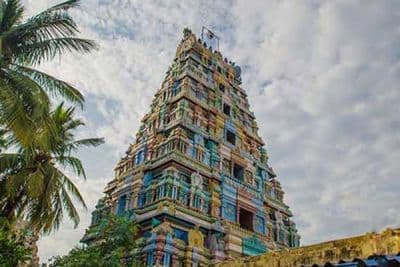
The Airavatesvara Temple, located in Darasuram, near Thanjavur in Tamil Nadu, India, is a remarkable example of 12th-century Chola architecture. Designed by the great Chola king Rajaraja Chola II in the 12th century CE, it is one of the Great Living Chola Temples, which are included in the UNESCO World Heritage Sites. The temple is dedicated to Lord Shiva and named after Airavata, the white elephant of the god Indra, who, according to legend, worshiped Shiva here. The temple complex is famed for its exquisite stone carvings, detailed sculptures, and a unique chariot-shaped vimana—a step pyramid that serves as the central shrine. Intricate inscriptions and iconography adorn the temple's walls, depicting various episodes from Hindu mythology, particularly from the epics of Ramayana and Mahabharata. Notable features include the intricately carved vimana, mandapams, and the 'musical staircase' that produces different musical notes when tapped. Despite its smaller size compared to other Chola temples, Airavatesvara Temple stands out for its artistic finesse and architectural brilliance, reflecting the advanced state of Dravidian temple design during the Chola dynasty.