Al Baleed Archaeological Park (Salalah) FAQs In 2026 - 2027
Archaeological Site
10 FAQs on Al Baleed Archaeological Park
What is Al Baleed Archaeological Park?
Al Baleed Archaeological Park is a UNESCO World Heritage site located in Salalah, Oman. It features the remains of the ancient city of Zafar, which dates back to the 8th century. The site showcases a large fortified area and the remains of a mosque, illustrating the maritime trade links that once flourished between Oman and the rest of the world.
What can tourists expect to see at Al Baleed Archaeological Park?
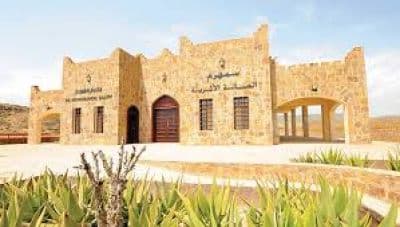
Visitors can explore a vast array of archaeological ruins including defensive walls, fortifications, and the remains of residential and commercial structures. The site includes a mosque, which is believed to have been one of the largest in the Islamic world at the time, and a museum (Frankincense Land Museum) displaying artifacts that reflect the rich heritage of the region.
What is the best time to visit Al Baleed Archaeological Park?
The best time to visit Al Baleed is between October and March when the weather in Salalah is cooler and more pleasant. The park may also be more enjoyable to visit early in the morning or late in the afternoon to avoid the heat of the midday sun.
Are there any guided tours available at Al Baleed Archaeological Park?
Yes, guided tours are available and can greatly enhance the experience by providing historical context and insights into the site's significance and past. Visitors can check with the local tour operators or the park's visitor center for information on guided tours.
Is there an entrance fee for Al Baleed Archaeological Park?
There is usually an entrance fee for tourists to access Al Baleed Archaeological Park and the Frankincense Land Museum. The fee is nominal and helps with the conservation of the site. It is advisable to check the most current pricing and opening hours before planning a visit.
Are there any facilities for tourists at Al Baleed Archaeological Park?
The park is equipped with basic facilities including a visitor center, a museum, restrooms, and parking. There may also be spots for visitors to sit and relax while exploring the park.
How much time should be allocated for a visit to Al Baleed Archaeological Park?
Visitors should allocate at least 2-3 hours to fully explore the archaeological site and the museum. Those with a keen interest in history or archaeology may wish to spend more time.
What is unique about the Frankincense Land Museum at Al Baleed Archaeological Park?
The Frankincense Land Museum is part of the archaeological park and offers an in-depth look into the history and significance of the frankincense trade in the region, which has been a significant aspect of Omani culture and economy for centuries. It also provides information about the maritime history of Oman and the archaeological findings from the Al Baleed site and surrounding areas.
How do tourists get to Al Baleed Archaeological Park?
Al Baleed Archaeological Park is located in Salalah, Oman. Visitors can get there by car, with the site being a short drive from the city center. International tourists often fly into Salalah International Airport and either rent a car, take a taxi, or arrange a hotel transfer to visit the park.
Is photography allowed at Al Baleed Archaeological Park?
Photography is generally allowed at Al Baleed Archaeological Park for personal use. However, for commercial photography, special permissions may be required, and visitors are always expected to respect the site and not engage in photography that might be damaging or disrespectful.
Other Places to Visit in Salalah
View all places to visit in Salalah
Explore Places to Visit Near Al Baleed Archaeological Park by Type
Other Suggested Reads for Al Baleed Archaeological Park
- About Al Baleed Archaeological Park Tourism
- Things to do in Al Baleed Archaeological Park
- How to Reach Al Baleed Archaeological Park
- Best time to Visit Al Baleed Archaeological Park
- Al Baleed Archaeological Park Tourism History
- Food in Al Baleed Archaeological Park
- Al Baleed Archaeological Park Tourist Map