Places To Visit Near Seopjikoji (Jeju) Within 300kms In 2026 - 2027
Natural Attraction
Places near Seopjikoji

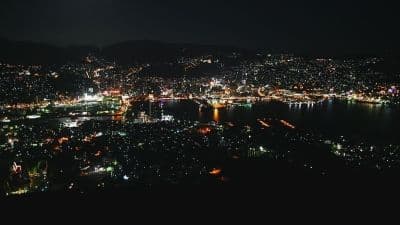
Busan, the second-largest city in South Korea, is a bustling metropolis set on the southeastern tip of the Korean peninsula. It's notably renowned for its…
More about Busan →
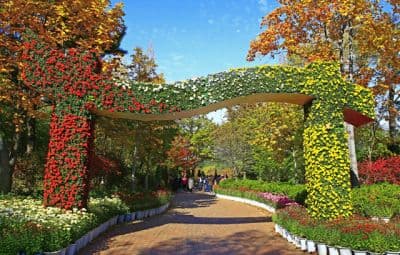
Gwangju is a metropolitan city in the southwestern part of South Korea, known for its rich history, vibrant culture, and significant role in the modern…
More about Gwangju →
Manjanggul Cave
Villages (1)
Jeonju is a city located in the southwestern part of South Korea, known for its rich history and cultural heritage. It is the capital of North Jeolla Province…
More about Jeonju →
Jeju Island, also known as Jeju-do, is South Korea's largest island, located southwest of the Korean Peninsula. This volcanic island is known for its stunning…
More about Jeju →
Gamcheon Culture Village, situated in Busan, South Korea, is known for its steep streets, twisting alleys, and brightly painted houses, which have been…
More about Gamcheon Culture Village →
Jagalchi Fish Market, situated in Busan, is South Korea's largest seafood market. This lively market is renowned for its wide variety of fresh seafood and as a…
More about Jagalchi Fish Market →
Taejongdae Resort Park is a well-known natural park in Busan, South Korea, named after King Taejong Muyeol, the 29th king of the Silla Kingdom, with its rugged…
More about Taejongdae Resort Park →
Busan Tower is a prominent 120-meter-high tower located in Yongdusan Park in Jung-gu, Busan, South Korea. Built in 1973, the tower is a popular tourist…
More about Busan Tower →
BIFF Square, named after the Busan International Film Festival, is located in the bustling district of Nampo-dong, Busan, South Korea. It's a cultural hub for…
More about BIFF Square (Busan International Film Festival Square) →
Mudeungsan National Park, designated in 2012, is located in Gwangju, South Korea. This park is famed for its majestic Mudeungsan Mountain that reaches 1,187…
More about Mudeungsan National Park →
Gwangju National Museum is a cultural institution located in Gwangju, South Korea, dedicated to preserving and exhibiting the rich historical artifacts and…
More about Gwangju National Museum →
18 Memorial Park, located in Gwangju, South Korea, is a significant historical site that commemorates the May 18th Democratic Uprising against the military…
More about 18 Memorial Park →
The May 18th National Cemetery in Gwangju, South Korea, is a memorial park and burial ground honoring the victims of the Gwangju Democratization Movement,…
More about May 18th National Cemetery →
Gwangju Art Street, situated in the bustling heart of Gwangju, South Korea, is an immersive enclave that embodies the city's rich cultural and artistic…
More about Gwangju Art Street →
The Asia Culture Center, located in Gwangju, South Korea, is a sprawling contemporary art and cultural complex dedicated to promoting Asian arts and culture.…
More about Asia Culture Center →
Sajik Park is a renowned urban park located in Gwangju, South Korea. It stands as an oasis of greenery amidst the bustling city, offering a tranquil retreat…
More about Sajik Park →
Yangnimdong Penguin Village, located in Gwangju, South Korea, is an artistically transformed neighborhood that showcases a unique blend of vibrant street art…
More about Yangnimdong Penguin Village →
The Gwangju Biennale Exhibition Hall, located in Gwangju, South Korea, is a prominent contemporary art exhibition hall that hosts the Gwangju Biennale, an…
More about Gwangju Biennale Exhibition Hall →
Pungam Reservoir is located in the vibrant metropolitan city of Gwangju, South Korea. This man-made reservoir serves as an important source of drinking water…
More about Pungam Reservoir →
Jeonju Hanok Village, located in the city of Jeonju, South Korea, is a traditional cultural hub that transports visitors back in time to the Joseon Dynasty.…
More about Jeonju Hanok Village →
Nambu Market, located in the historical city of Jeonju, is a vibrant and traditional Korean market that has been in operation since the Joseon Dynasty. With a…
More about Nambu Market →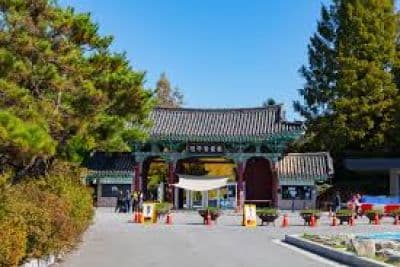
Jeonju Zoo, situated in Jeonju, South Korea, is a popular destination for families and wildlife enthusiasts. Covering an area of approximately 330,000 square…
More about Jeonju Zoo →
Jeonju National Museum is located in the cultural city of Jeonju, South Korea, which is famed for its historic buildings, food, and festivals. Established in…
More about Jeonju National Museum →
Hallasan National Park, located on Jeju Island in South Korea, is centered around Hallasan Mountain, the highest peak in South Korea. The park is renowned for…
More about Hallasan National Park →
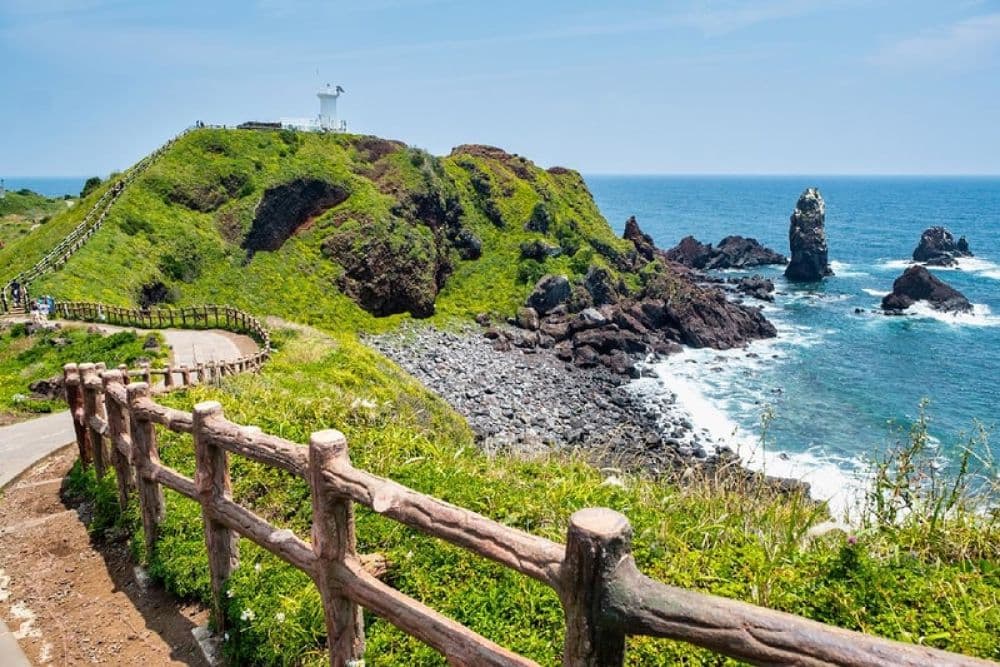
Seongsan Ilchulbong, also known as 'Sunrise Peak', is a distinctive tuff cone formed by hydrovolcanic eruptions over 5,000 years ago. Located on the eastern…
More about Seongsan Ilchulbong →
Manjanggul Cave is one of the finest lava tunnels in the world and is a UNESCO World Natural Heritage site located in Jeju Island, South Korea. Extending for…
More about Manjanggul Cave →
The Jeju Teddy Bear Museum, located on the beautiful island of Jeju, South Korea, is a charming attraction that showcases a vast array of teddy bears which…
More about Jeju Teddy Bear Museum →
Jeju Folk Village Museum, located in Jeju Island, South Korea, provides a deep insight into the island's unique culture and history. Established in 1974, the…
More about Jeju Folk Village Museum →
Cheonjeyeon Waterfalls, located on Jeju Island in South Korea, is a famed natural attraction composed of three tiers of waterfalls. It is often referred to as…
More about Cheonjeyeon Waterfalls →
Jusangjeolli Cliff is a natural wonder located on the southern coast of Jeju Island, South Korea. Formed from the cooling of lava from Mount Hallasan that…
More about Jusangjeolli Cliff →
Hamdeok Beach, known for its stunning clear waters and soft sand, is located on the north-eastern coast of Jeju Island, South Korea. This picturesque beach is…
More about Hamdeok Beach →
Oedolgae Rock is one of the most iconic natural landmarks on Jeju Island, South Korea. Situated on the southern coast near Seogwipo, Oedolgae, or 'Lonely…
More about Oedolgae Rock →