If you are planning a slower kind of Himachal holiday, one that swaps crowded viewpoints for riverbanks and early mornings for the sound of moving water, this guide is for you. Angling camps and fishing lodges in Himachal Pradesh suit travellers who want clean mountain air, practical stays near good fishing waters, and a trip that feels restful rather than rushed.
In the next few minutes, you will get a clear picture of where to go, when to plan your trip, what a typical angling stay costs, and how to choose a lodge or camp that matches your comfort level. You will also find useful advice on permits, gear, local rules, and nearby places worth adding to your itinerary.
Why Himachal Works So Well for Angling Holidays
Himachal Pradesh is one of the most appealing states in India for river fishing because many of its mountain rivers stay cool, clean, and fast-flowing for much of the year. The Beas, Sutlej, and parts of the Ravi and Chenab systems are known among anglers for trout fishing, especially brown trout and rainbow trout in selected stretches. Most fishing stays are built around these rivers, so you are usually close to the water rather than far away in a town hotel.
Another reason Himachal works well is that you can combine fishing with a real hill break. Many camps and lodges are set around Kullu, Manali, Naggar, Tirthan Valley, Banjar, Jibhi, and Kinnaur-side river stretches. That means your days can be simple: a morning on the river, a warm lunch, an afternoon walk, and a quiet evening by the fire or in a riverside cottage.
The experience is especially suitable for couples, small groups of friends, solo travellers, and families with older children who enjoy nature. If you are not an expert angler, do not worry. Several lodges arrange local guides, basic instruction, rods, and permits as part of the stay or as an add-on.
Best Areas in Himachal for Angling Camps and Fishing Lodges
Tirthan Valley and Banjar
Tirthan Valley is one of the most practical bases for a fishing-focused trip in Himachal. The valley is linked to the Tirthan River and is within reach of quieter stretches near Banjar and the Great Himalayan National Park side. Travel times from Aut on the NH3 are generally around 1 to 1.5 hours by road, depending on your stay location and road conditions.
Stays here tend to be peaceful and nature-led. You will often find riverside cottages, bamboo-style camps, and small lodges that organise trout fishing, short hikes, and village walks. This area works well if you want a balance of comfort and a low-key outdoor holiday.
Kullu and the Beas River belt
For travellers who want easier road access and more stay options, the Kullu stretch along the Beas River is a strong choice. You can find fishing lodges and camps in and around Kullu, Katrain, and nearby river-facing pockets. This region is also convenient if you are driving in from Delhi, Chandigarh, or Mandi, since the roads are generally better connected than some of the more remote valleys.
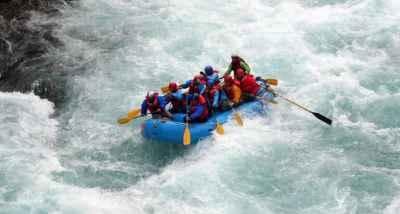
The Beas offers a classic river setting, and many people choose this belt for short angling breaks of 2-4 nights. If you want to pair fishing with rafting, apple orchards, or a day trip to Manali, this is a sensible base.
Manali, Naggar, and the Upper Kullu Side
Manali itself is not the quietest place for a dedicated angling holiday, but the surrounding stretches near Naggar and the upper Kullu side can work well. You get access to mountain scenery, cafes, and a wider range of accommodation while still being close enough to selected fishing waters.
This zone is useful for mixed itineraries. If one person in your group wants fishing and another wants sightseeing, Manali and Naggar make it easier to satisfy both without long transfers.
Spiti-side and high-altitude waters
Some travellers ask about fishing in Spiti or the far high-altitude regions of Himachal. In practice, angling there is more limited and conditions can be very different from the classic trout belts. Access, weather, and local regulations can all be stricter, so unless you already know the area well, it is usually better to focus on established trout regions in Kullu, Tirthan, and nearby valleys.
What Kind of Stay Should You Expect?
Angling camps and fishing lodges in Himachal vary a lot in style. Some are simple tented camps with basic but clean rooms, attached bathrooms, and meals included. Others are more comfortable boutique lodges with wooden interiors, heated common areas, landscaped grounds, and private river access. A few places fall somewhere in between, offering cottage-style rooms and guided fishing experiences.
For most travellers, the best choice depends on what matters more: fishing access, room comfort, or location. If your priority is being close to the river, you may accept a more rustic stay. If you want an easier family holiday, choose a lodge with better heating, strong water supply, and reliable meals, even if the fishing spot is a short drive away.
Typical prices depend on the season, the river location, and whether fishing gear and meals are included. As a broad guide, you may see simple camps around Rs.2,500-Rs.4,500 per night per person, mid-range fishing lodges around Rs.4,500-Rs.8,000 per night, and more comfortable boutique stays from Rs.8,000-Rs.15,000 or more per night. These are indicative ranges only, and you should confirm before booking.
| Stay type | Typical price range | Best for | Common inclusions |
|---|---|---|---|
| Basic angling camp | Rs.2,500-Rs.4,500 | Budget travellers, anglers who spend most time outdoors | Simple room or tent, meals, access to fishing stretch |
| Mid-range fishing lodge | Rs.4,500-Rs.8,000 | Couples, small families, short fishing breaks | Private room, meals, guide help, gear on request |
| Boutique riverside stay | Rs.8,000-Rs.15,000+ | Comfort-focused travellers, premium hill holidays | Upgraded rooms, curated meals, guided activities |
Best Time to Plan Your Fishing Trip
The fishing season in Himachal can vary by river stretch and local rules, so always confirm before you book. That said, spring and early summer, roughly March to June, are popular because the weather is pleasant and travel is easier. Post-monsoon months from September to November also attract anglers, especially when river conditions improve after the rains.
Winter can be rewarding in some places if you like quiet surroundings and do not mind cold mornings, but road access and water temperature become important concerns. Monsoon months, especially July and August, are usually less reliable for a fishing-only holiday because heavy rain can affect road safety, visibility, and river conditions.
If you want the best overall balance of comfort and outdoor time, book for April-May or September-October. These months often give you manageable weather, greener landscapes, and a better chance of smoother travel between towns and riverside stays.
Permits, Rules, and Local Fishing Etiquette
Fishing in Himachal is not simply a matter of arriving with a rod. In many stretches, especially trout waters, you may need a permit and should follow specific local rules about catch limits, timings, tackle, and allowed stretches. These rules are managed locally and can change, so it is wise to verify them through your lodge, local fisheries office, or a registered guide before you fish.
Many good lodges help arrange permits or guide you on where and how to obtain them. If a property is vague about regulations, that is usually a warning sign. A reliable operator will explain what is allowed, whether catch-and-release is expected, and if there are any seasonal closures.
Respect for the river is important. Keep noise low, do not leave line or plastic behind, and follow the guidance of local fishers and guides. In sensitive mountain regions, responsible angling helps protect the same waters you came to enjoy.
How to Reach Himachal Angling Stays
Most fishing lodges in Himachal are reached by road. If you are coming from Delhi, the drive to Kullu or the Tirthan side usually takes around 10 to 14 hours depending on traffic, halts, and road conditions. From Chandigarh, expect roughly 6 to 9 hours for many of the better-known river areas. These are approximate timings and can change with weather and hill traffic.
The nearest railheads are usually Chandigarh or Una for many travellers, though the final leg still requires a taxi or self-drive. If you are flying, Bhuntar airport near Kullu is the closest airport for many central Himachal stays, but flight schedules can be limited and weather-dependent. Because of this, road travel remains the most practical option for most visitors.
If you are booking a package, ask whether your transfer includes the last-mile road to the lodge. Some properties are near the main road, while others require a short but bumpy drive on smaller village tracks.
What to Pack for an Angling Holiday in Himachal
You do not need to carry everything if your lodge provides rods and tackle, but a little preparation makes the trip smoother. Mountain weather can shift quickly, and river areas are often colder in the morning and evening than you expect.
- Layered clothing, including a warm jacket for mornings and nights
- Quick-dry trousers and shoes with good grip
- Cap, sunglasses, and sunscreen for riverbank exposure
- Any personal fishing gloves, lure kit, or favourite accessories
- Basic medicines, insect repellent, and a small first-aid kit
- Power bank and torch, especially if your stay is remote
- Reusable water bottle and a small dry bag for valuables
If you are new to fishing, do not worry about buying specialised gear in advance. It is often better to discuss your needs with the lodge first, because local waters may call for specific tackle and bait choices. Carrying the wrong equipment can make your bag heavier without improving your chances on the river.
Nearby Experiences to Add to Your Trip
One of the pleasures of staying in Himachal for angling is that your non-fishing time can still be full of simple and memorable experiences. In Tirthan Valley, you can walk through village paths, visit Gushaini-side stretches, or spend time near the edges of the Great Himalayan National Park zone. Around Kullu and Naggar, orchard walks, temple visits, and short drives to viewpoints make for easy half-day outings.
If you base yourself near Manali or upper Kullu, you can add Solang Valley, Old Manali, Naggar Castle area, or local hot springs depending on your pace. The idea is not to overpack the itinerary. Fishing holidays work best when you leave breathing room between activities and let the river set the rhythm.
Frequently Asked Questions
Do I need to be an expert angler to book a fishing lodge in Himachal?
No, you do not. Many lodges welcome beginners and arrange a guide, basic gear, and advice on local techniques. If you are new to angling, tell the property in advance so they can suggest the right package.
Which part of Himachal is best for trout fishing stays?
The Tirthan Valley, Banjar side, and selected stretches in Kullu along the Beas are among the most popular choices. These areas have a good mix of river access, accommodation options, and scenic settings. The best choice for you depends on how remote you want the stay to be.
How much should I budget for a 3-night fishing trip?
For a practical trip, many travellers budget around Rs.12,000-Rs.30,000 per person, depending on the stay category, meals, transfers, permits, and whether gear is included. A simpler trip can cost less, while premium lodges and private transfers will push the total higher. Confirm all inclusions before payment.
Can I fish on my own, or do I need a local guide?
In many areas, a guide is strongly recommended, and in some stretches it may be necessary to help with permits and local rules. Even if not compulsory, a guide improves your chances of finding legal and productive fishing waters. They also know current river conditions, which can save you time.
What is the best month to visit for comfortable weather?
April, May, September, and October are often the most comfortable months for a fishing holiday in Himachal. These periods usually offer a good balance of pleasant temperatures and manageable road conditions. Still, always check the current local weather and river status before travelling.
Are these stays suitable for families?
Yes, many are, especially the mid-range lodges and cottages with good heating, clean bathrooms, and space to walk around. Families with younger children should choose a property with safer river access and clear boundaries. If fishing is only one part of your holiday, tell the lodge so they can suggest a family-friendly setup.
Final Thoughts
If you want a Himachal trip that feels calm, outdoorsy, and personal, angling camps and fishing lodges are a very good fit. Choose the river belt first, then match your stay to your comfort level, budget, and travel season. Keep your plans flexible, confirm permits and inclusions before you leave, and let the mountains do the rest.
If this guide helped you plan better, please share the post with someone who would enjoy a quiet riverside holiday in Himachal.
Planning a Himachal trip?
Tell us your dates and who is travelling. Up to three local travel companies send you their itinerary and price.
Get free quotesDisclaimer: The information in this blog is for general information only. We try to keep it accurate and up to date, but TravelSetu accepts no liability for errors or omissions. If you believe any part of it infringes your rights, please write to info@travelsetu.com.