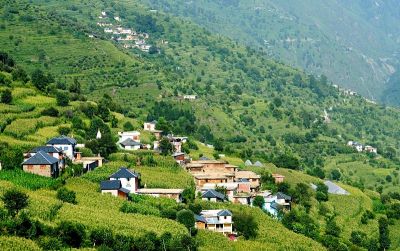
Himachal Forest Interpretation Centres
If you are planning a Himachal trip and want more than viewpoints and cafés, the Forest Interpretation Centres can add real depth to your journey. These centres are ideal for travellers who want to understand Himachal’s pine forests, wildlife, local ecology, and the role the state’s forest department plays in protecting fragile mountain landscapes.
This guide will help you figure out what these centres are, where you are likely to find them across Himachal, how to plan a short visit, and how to combine them with nearby nature attractions without wasting time on the road. If you are travelling with children, senior family members, or simply love learning while you travel, this is a useful stop to include.
What Are Himachal Forest Interpretation Centres?
Forest Interpretation Centres are educational spaces created to help visitors understand Himachal’s forests, wildlife, protected areas, and conservation efforts. Think of them as a bridge between a natural attraction and the story behind it. Instead of just walking through a forest, you get context: which tree species grow there, which animals live nearby, why certain areas are protected, and how local communities interact with the forest.
In practical terms, these centres often include displays, maps, photographs, models, nature exhibits, and information panels. Some also have small museums, film presentations, nature trails, or ranger-led explanations. The experience is usually simple and low-key, but that is part of the charm. You are not going for entertainment alone; you are going for understanding.
Why These Centres Are Worth Your Time in Himachal
Himachal is one of those destinations where many travellers move quickly from one scenic stop to another. A forest interpretation centre slows the pace in a good way. It gives you a chance to learn how the hills work, why forest cover matters for water and soil stability, and how tourism affects mountain ecosystems.
For families, these centres can make a hill trip more meaningful for children. For solo travellers and birdwatchers, they offer background that improves every forest walk afterwards. If you are visiting parks, wildlife sanctuaries, or eco-tourism areas, a short stop here can make the rest of your trip feel much richer.
They are also useful when weather disrupts your plans. If rain, fog, or snow cuts short your outdoor time, an interpretation centre gives you an indoor activity that still feels connected to nature.
Where You Can Find Them in Himachal
Forest interpretation centres are not concentrated in one single town. They are often placed near protected forests, wildlife areas, eco-tourism spots, and forest rest houses. Depending on your route, you may come across them around Shimla district, Kangra, Kullu, Solan, Chamba, and other forest-rich parts of the state.
Some centres are close to well-known nature and wildlife locations such as national parks, wildlife sanctuaries, and forest reserves. In many cases, they are near the entry point of a protected area or along a road where travellers naturally stop before continuing deeper into the hills. Because naming and access can change, it is always sensible to confirm the exact location with the local forest office, tourism office, or your hotel before setting out.
Good places to combine with a centre visit
- Forest walks and short nature trails
- Wildlife sanctuaries and protected forest zones
- Viewpoint drives through pine and deodar belts
- Local temples and heritage town walks nearby
- Picnic spots with managed visitor facilities
What You Will Typically See Inside
The setup varies from centre to centre, but most are designed to explain the forest environment in an easy way. You may see information about Himalayan tree species such as pine, deodar, oak, and rhododendron. There may be displays about medicinal plants, birds, insects, mammals, and the seasonal changes in the hills.
Some centres also explain practical issues that matter in Himachal, such as forest fires, landslides, grazing pressure, and the importance of watershed protection. This can be especially useful if you are travelling through areas that have seen development pressure or climate-sensitive change.
At better-maintained centres, you may also find walking paths, interpretation boards outside, and staff who can answer basic questions. The experience is usually calm and unhurried, which makes it a good pause in a packed itinerary.
What to expect from a typical visit
- A short indoor visit of 20-45 minutes
- Printed or visual displays about local flora and fauna
- Maps of the surrounding forest area
- Information on conservation, fires, and visitor rules
- Occasional nature trail access or outdoor exhibits
Best Time to Visit in Himachal
The best months depend on where you are going, but for most forest interpretation centres in Himachal, the most comfortable period is from March to June and again from September to November. During these months, roads are generally easier, the weather is pleasant, and forest walks feel more enjoyable.
Summer months can be good for a cooler break from the plains, especially around mid-hill regions. The monsoon, roughly July to August, can make roads slippery and increase the chance of local disruptions. Winter, especially from December to February in higher reaches, may bring snow or very cold conditions, so confirm accessibility before you travel.
If you want clear views and pleasant weather, early morning visits are often best. You will also find fewer crowds and a quieter atmosphere, which suits the educational nature of these centres.
How to Plan Your Visit
Most travellers can include a forest interpretation centre as a half-day stop. If the centre is near another attraction, you can plan it as part of a larger route. If you are staying in a hill town for two or three nights, it is easy to fit one in between a temple visit, a market walk, and a scenic drive.
Entry fees, if applicable, are usually modest, often in the range of ?20-?100 per person at public facilities, though this can vary. Some centres may charge separately for parking, trail access, or guide services. Always confirm the current rates and opening hours before you go, since timings may change by season or local administrative decision.
If you are travelling from major Himachal gateways, keep realistic road timings in mind. A journey that looks short on the map can take longer in the hills. As a rough guide, plan for slower travel than you would in the plains, especially on narrow mountain roads, during weekends, or in peak holiday periods.
| What to Check | Why It Matters |
|---|---|
| Opening hours | Some centres close early or stay shut on certain days |
| Road condition | Hill roads can be affected by rain, fog, snow, or maintenance work |
| Entry fee | Charges can change and may differ for Indians and foreigners |
| Guide availability | A knowledgeable local guide can make the visit far more useful |
| Photography rules | Some exhibits or protected areas may have restrictions |
How to Reach Them
Most forest interpretation centres in Himachal are reached by road. If you are already in a hill station, you may be able to get there by taxi, local bus, or your own vehicle. In some cases, the last stretch may involve a short walk from the parking area or visitor gate.
If you are using public transport, plan a little extra time. Local buses are economical, but they may not be frequent enough for a tight same-day plan. Taxis are more flexible and are often the easiest option for families or groups carrying a picnic bag, camera gear, or winter clothing.
Costs vary widely by route and season, but for a short local taxi in Himachal, you might expect anywhere from ?1,500-?4,500 for a half-day depending on distance, terrain, and vehicle type. For longer intercity movement, book in advance and confirm whether fuel, tolls, and waiting time are included.
Helpful Tips for a Better Experience
Carry a light jacket even in summer, because forested areas can feel cooler than the main town. Keep water, snacks, and comfortable walking shoes with you, especially if there is a trail or viewpoint nearby. If you are going with older family members, ask in advance whether there are steps, steep ramps, or uneven paths.
Try to spend a few minutes reading the boards instead of rushing through. Many travellers treat educational stops as a quick photo break, but the value of these centres lies in the details. The more you look, the more you understand about why Himachal’s forests matter to the region’s rivers, wildlife, and local livelihoods.
If you are taking children, turn it into a small game: ask them to identify three tree types, two birds, or one conservation challenge. That simple approach keeps them engaged without making the visit feel like a lesson.
Suggested Short Itinerary Around a Forest Interpretation Centre
If you are based in a nearby hill town, a practical plan could look like this: start with breakfast, visit the forest interpretation centre in the morning, spend an hour on a nearby nature walk or viewpoint, then continue to a local lunch stop and a heritage or market area in the afternoon. This keeps the day easy and avoids long unnecessary drives.
For a two-day plan, pair the centre with one wildlife or forest-facing attraction and one town-based attraction. For example, one day can focus on nature and the next on local culture, shopping, or a temple circuit. This balance works especially well in Himachal, where road travel can take more time than expected.
Frequently Asked Questions
Are forest interpretation centres suitable for children?
Yes, they are often very suitable for children because the displays are visual and easy to understand. Kids can learn about animals, trees, and conservation without needing a long attention span. If there is a short trail attached, it can make the visit even more engaging.
Do I need to book in advance?
In many cases, you do not need advance booking for a simple visit, but this depends on the centre and the season. If you are visiting as part of a group, or if the centre is inside a protected area with controlled entry, it is better to confirm ahead of time. Always check locally before setting out.
How much time should I keep aside?
Most visitors spend 30 minutes to 1 hour at a centre, though this can stretch longer if there is a trail or a guided explanation. If you enjoy reading displays carefully, allow more time. It is best treated as a half-day stop rather than a full-day plan.
Are these centres only for eco-tourists or students?
No, they are for anyone curious about Himachal’s natural environment. Families, photographers, road trippers, and general holidaymakers can all enjoy them. You do not need any special background knowledge to make sense of the displays.
Will I find food and toilets nearby?
Facilities vary by location. Some centres near popular tourist routes may have basic toilets and small tea stalls nearby, while more remote ones may have limited amenities. It is a good idea to carry water and use facilities in town before arriving.
Are these centres open all year?
Not always. Some may have seasonal closures, reduced hours in winter, or temporary restrictions during maintenance or weather-related issues. Since Himachal’s hill conditions can change quickly, check before you go, especially between December and February or during monsoon months.
Conclusion
Forest Interpretation Centres in Himachal are small stops with a lot to offer. They help you see the state’s hills in a more informed way, and they fit neatly into a relaxed road trip, family holiday, or nature-focused itinerary. If you like your travel to be scenic and meaningful at the same time, add one to your Himachal plan and give yourself a little extra time to explore.
If this guide helped you plan better, share this post with someone who is organising a Himachal trip.
Disclaimer : The information provided in this blog is for general informational purposes only. While we strive to keep the content accurate and updated, TravelSetu assumes no liability for errors or omissions. If you believe any part of this blog infringes your rights or causes concern, please notify us immediately at info[at]travelsetu[dot]com so that appropriate action can be taken.