If you are planning a mountain trip in Himachal Pradesh, it helps to know what happens if a medical emergency, landslide, or severe weather cuts off road access. This guide explains Himachal helicopter evacuation costs in practical terms, so you can budget sensibly, understand when a helicopter is used, and avoid last-minute confusion during a crisis.
Helicopter evacuation is not something most travellers expect to think about, but in remote parts of Himachal such as Lahaul-Spiti, Kinnaur, upper Kullu, and some high-altitude valleys, it can become the fastest option when roads are blocked or a patient needs urgent transfer. The exact bill depends on distance, aircraft type, weather, and who arranges the rescue, so it is better to understand the broad ranges before you travel.
When helicopter evacuation is used in Himachal
Helicopters in Himachal are usually called in for medical emergencies, accident cases, stranded travellers, and occasionally for evacuation after landslides, flash floods, or heavy snowfall. They are not a routine transport service; they are typically used when a person cannot safely be moved by road in time.
In districts such as Lahaul-Spiti, Kinnaur, and parts of Chamba and Kullu, road closures can last from hours to days during monsoon and winter. In those situations, the helicopter may move the patient from a small helipad or open landing area to a larger hospital town like Shimla, Kullu, or Chandigarh, depending on urgency and aircraft availability.
Typical helicopter evacuation cost ranges in Himachal
There is no single fixed price for helicopter evacuation in Himachal. Costs vary widely, but for a traveller or family trying to understand the likely expense, these are realistic indicative ranges:
| Type of evacuation | Indicative cost range | Notes |
|---|---|---|
| Short-distance evacuation within one district | Rs.1.5 lakh-Rs.4 lakh | Used for urgent transfers where flying time is limited and landing points are suitable |
| Longer inter-district evacuation | Rs.4 lakh-Rs.8 lakh | For moving patients from remote valleys to major hospitals |
| Private chartered helicopter rescue | Rs.6 lakh-Rs.15 lakh or more | Depends on aircraft type, waiting time, and multiple sorties |
| Government-arranged rescue in specific emergencies | May be subsidised or partially covered | Policy-dependent and not guaranteed; confirm with the district administration |
These are only broad estimates. In a real emergency, the total may increase if the helicopter has to wait for weather clearance, if more than one flight is required, or if the patient needs an air ambulance setup with oxygen, stretcher fittings, and medical staff on board.
What affects the final bill
Distance and flying time
The biggest cost driver is flight time. A short hop from a remote helipad to a nearby district hospital will cost less than a transfer from a far-off valley to Chandigarh or another major medical centre. The farther the helicopter has to travel, the higher the fuel, crew, and operational cost.
Aircraft size and medical setup
A basic helicopter charter is cheaper than a properly equipped air ambulance. If the patient needs oxygen support, a stretcher module, or trained medical personnel, the price rises. Smaller helicopters are sometimes used on mountain routes because they handle narrower landing zones better, but capacity and medical equipment may be limited.
Weather and waiting time
Himachal’s mountain weather can change quickly. If clouds, wind, or visibility delay the sortie, operators may charge for standby time, repeated flight planning, or a second attempt on another day. During monsoon and winter, delays are more common, so even an emergency rescue can become expensive if the helicopter cannot take off immediately.
Landing and coordination logistics
Not every village has a proper helipad. Sometimes the aircraft must land at a suitable open ground, school field, or pre-identified government location, and local coordination takes time. More coordination usually means more cost, especially in hard-to-access areas where road support teams, ambulances, and police clearance are involved.
Who pays for helicopter evacuation in Himachal
In most cases, the initial bill is paid by the patient, family, or the organisation requesting the evacuation. Some cases are later reimbursed if the person has eligible travel insurance, health insurance with evacuation cover, or if a government relief mechanism applies to the incident.
For travellers, the most important point is this: do not assume helicopter evacuation is automatically free. Even in a genuine emergency, the final payment responsibility may still rest with you unless a specific government order, disaster operation, or insurance policy states otherwise.
If the evacuation is tied to a disaster response, the district administration may coordinate the rescue and decide how costs are handled. However, this is case-specific. Always confirm the arrangement before assuming that the state will absorb the entire expense.
Insurance and what it may cover
If you are travelling in Himachal, especially to high-altitude or remote areas, check whether your insurance includes emergency evacuation. Many standard health policies focus on hospital treatment, not transport by helicopter. Some premium travel policies may cover rescue and transfer, but only under strict conditions.
Look for these phrases in the policy document:
- Medical evacuation cover
- Emergency rescue expenses
- Air ambulance cover
- High-altitude trekking or adventure activity cover
- Coverage for remote area transport
Read the exclusions carefully. Some policies do not cover adventure injuries, pre-existing conditions, alcohol-related incidents, or situations where the traveller ignored official weather warnings. If you are trekking in Lahaul-Spiti or doing high-altitude activities near Manali, ask the insurer for written confirmation of coverage before you start.
How helicopter evacuation compares with road transport
Road ambulances are far cheaper than helicopter evacuation, but they are not always practical in Himachal. A road transfer from a remote village to a district hospital may cost only a few thousand rupees, depending on distance and vehicle type, while a helicopter can cost lakhs. The trade-off is time: road travel can take many hours, especially when landslides, snow, or washed-out sections slow traffic.
Here is a simple comparison to keep in mind:
- Road ambulance: lower cost, slower, dependent on road access
- Helicopter evacuation: much higher cost, faster, useful when roads are blocked or the patient is critical
- Private vehicle transfer: cheapest, but unsafe for serious injury or altitude sickness when professional care is needed
If the patient is stable and roads are open, a road ambulance is usually the first choice. Helicopters are reserved for situations where minutes matter or road movement is impossible.
Important places in Himachal where evacuation planning matters
If your itinerary includes remote districts, keep the nearest major medical centres in mind. In and around Shimla, serious cases are often transferred to larger facilities in the city itself or onward to Chandigarh. In Kullu-Manali, patients may be moved to Kullu town or, in more serious cases, to better-equipped hospitals outside the valley.
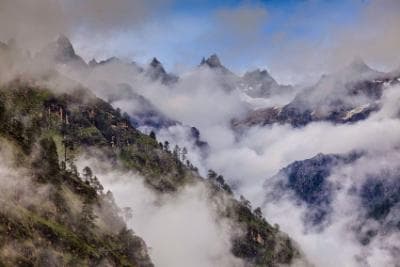
In Lahaul-Spiti, road connectivity can be heavily affected by snow and landslides, especially in colder months. In Kinnaur, long road delays are also possible due to fragile mountain roads and weather disruptions. If you are trekking, camping, or driving into these regions, tell someone your route and expected return time. That small habit can save precious hours if evacuation is ever needed.
How to prepare before you travel
You do not need to plan for a helicopter rescue as part of every holiday, but a little preparation goes a long way in Himachal. Carry a copy of your ID, insurance details, emergency contacts, and any medical prescriptions. Save the phone numbers of your hotel, local police station, and district emergency services before you leave for remote areas.
Also keep some practical money aside for emergencies. Even if you have insurance, reimbursement can take time, and you may need to pay first. A sensible emergency fund for a Himachal trip that includes remote driving or trekking would be at least Rs.25,000-Rs.50,000 in accessible savings, though helicopter evacuation itself can exceed that amount many times over.
If you are booking a package, ask your travel planner whether the route passes through areas with limited road access and what the backup plan is in case of landslide or snowfall. A reliable operator should be able to explain the nearest hospital access and local emergency contacts.
What to do in an emergency
- Call local emergency services or the district administration immediately.
- Share the exact location using landmarks, village name, and nearest road point.
- Keep the patient warm, still, and monitored until help arrives.
- Do not move the injured person aggressively unless there is immediate danger.
- Ask clearly who is arranging the helicopter and what payment process will apply.
- Keep phone batteries charged and keep one person focused on communication.
In mountain emergencies, confusion costs time. One person should handle calls, another should help the patient, and others should clear space for rescue teams. If a helicopter is being arranged, confirm whether the landing location is safe and reachable on foot or by road.
Frequently Asked Questions
How much does a helicopter evacuation cost in Himachal on average?
A realistic range is roughly Rs.1.5 lakh to Rs.8 lakh for many emergency transfers, though a private charter can cost more. The price depends on distance, weather, medical equipment, and whether the helicopter is waiting or flying multiple legs.
Is helicopter evacuation in Himachal covered by insurance?
Sometimes, but not always. Standard health plans often do not include air rescue, so you need a policy that explicitly mentions medical evacuation or air ambulance cover. Always ask the insurer for written confirmation before relying on it.
Are government helicopter rescues free in Himachal?
Not necessarily. Some disaster-related or government-coordinated rescues may be subsidised or handled differently, but there is no blanket rule that all helicopter evacuations are free. Check the district administration’s instructions for the specific incident.
Which areas in Himachal most commonly need helicopter support?
Remote and high-altitude regions such as Lahaul-Spiti, Kinnaur, and parts of upper Kullu and Chamba are more likely to need aerial support when roads are blocked. These areas can face snowfall, landslides, and long road closures, especially in winter and the monsoon season.
What should I keep ready if I am travelling to remote Himachal?
Carry ID, insurance details, medicines, emergency contacts, and some reserve cash. It also helps to save district emergency numbers and to share your travel plan with family or friends. If you are trekking or driving to isolated areas, keep your phone charged and your route updated.
Is road ambulance always better than helicopter evacuation?
Road ambulances are cheaper and often sufficient if roads are open and the patient is stable. Helicopters are useful when the road is blocked, the patient is critical, or time is the main concern. The right choice depends on the medical situation and access conditions.
For a Himachal trip, the smartest approach is not fear, but preparation. If you understand helicopter evacuation costs, check your insurance, and plan for remote-area emergencies, you can travel with much more confidence. Share this post with anyone planning a mountain trip in Himachal so they know what to expect before they go.
Planning a Himachal trip?
Tell us your dates and who is travelling. Up to three local travel companies send you their itinerary and price.
Get free quotesDisclaimer: The information in this blog is for general information only. We try to keep it accurate and up to date, but TravelSetu accepts no liability for errors or omissions. If you believe any part of it infringes your rights, please write to info@travelsetu.com.