Himachal Indora and Kangra Plains
If you are planning a slower Himachal trip that feels different from the usual hill-station circuit, the Indora and Kangra Plains are worth your time. This is where the state opens up into orchards, fields, old forts, temple towns, and easy road journeys that work well for families, senior travellers, weekend explorers, and anyone who wants Himachal without steep mountain drives on every turn.
In this guide, you will get a practical look at where the Indora and Kangra Plains fit into a Himachal itinerary, what to see, when to go, how to move around, and what kind of budget makes sense. If you are looking for a relaxed trip with scenic drives, local food, and short excursions, this region can be a very smart choice.
What Makes the Indora and Kangra Plains Different
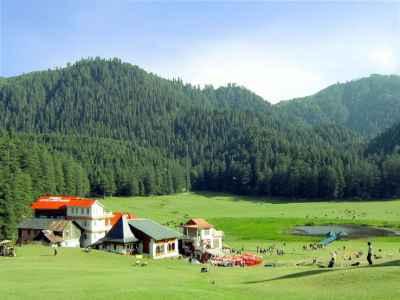
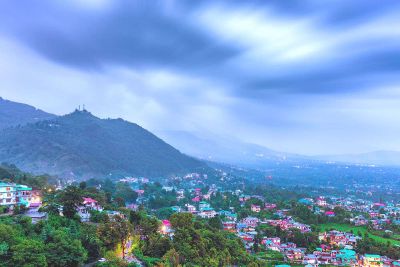
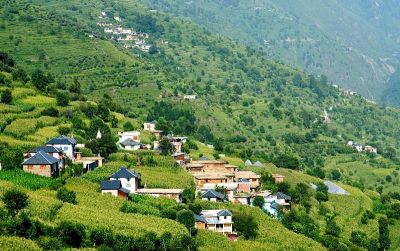
The Indora and Kangra Plains sit in the lower Himalayan belt of Himachal Pradesh, close to the Punjab border and the approaches to Pathankot and Nurpur. Unlike the steep valleys of Manali or the high-altitude landscape of Spiti, this region is gentler, greener, and easier to explore by road. You will find broad stretches of agricultural land, villages, orchards, small market towns, and clear views of the Dhauladhar range on a good day.
Indora is especially useful as a base if you are entering Himachal from Punjab or Jammu side. Kangra, on the other hand, connects you to several heritage and temple stops, and acts like a gateway to Dharamshala, McLeod Ganj, and Palampur. The plains are not about rushing from sight to sight. They are about slow travel, short hops, and connecting with the everyday life of lower Himachal.
Best Time to Visit Indora and Kangra Plains
The best months are usually October to November and February to April, when the weather is pleasant, skies are clearer, and road travel is comfortable. Winter mornings can be cool, but the plains remain much milder than the upper hills. Summer, from May to June, can get warm during the day, though evenings are usually manageable.
July to September brings monsoon rains. The landscape becomes lush, but you should plan for slippery roads, slower travel times, and occasional route disruptions. If your main goal is photography, fort visits, and smooth driving, avoid heavy monsoon dates and check road conditions before setting out.
| Season | What it feels like | Good for |
|---|---|---|
| October-November | Clear, crisp, comfortable | Sightseeing, road trips, photography |
| February-April | Mild and fresh | Family travel, heritage visits, orchard views |
| May-June | Warm in the day, pleasant mornings and evenings | Short breaks, temple visits, base stays |
| July-September | Rainy and humid at times | Green views, quiet travel, flexible itineraries |
How to Reach the Region
The easiest access point for many travellers is Pathankot, which is well connected by train and road. From Pathankot, Indora is roughly 30-40 km away depending on your exact point of departure, and the drive usually takes around 45 minutes to 1.5 hours. Kangra town is farther, and the road journey from Pathankot to Kangra side is generally around 2-3 hours, traffic and route choice depending.
If you are flying, Gaggal Airport near Kangra is the nearest airport for many travellers. From the airport, you can reach Kangra town and nearby destinations by taxi or pre-booked cab. If you are coming from Delhi, the most common road journey is through Chandigarh, Rupnagar, and Pathankot, and you should allow a full day if you are driving.
For train travellers, Pathankot remains the most convenient railway hub. From there, buses and taxis are available, though frequencies can vary through the day. If you are travelling in a group, a private cab often makes the most sense for flexibility across Indora, Kangra, Nurpur, and nearby heritage stops.
Top Places to See Around Indora and Kangra Plains
Indora and nearby local life
Indora itself is best experienced through its markets, roadside eateries, village roads, and the agricultural landscape around it. This is not a place for grand sightseeing lists. It is more about the rhythm of daily life in lower Himachal, with easy drives and views that change with the season. If you like photography, the early morning light over fields and the afternoon haze across the plains can be lovely.
Nurpur Fort and town
Nurpur is one of the most meaningful stops in this region. The town is historically important and gives you a glimpse of old Kangra-country heritage. The fort area, though partly in ruins, still holds atmosphere, and the town works well as a stop for lunch, tea, and local exploration. From Indora, Nurpur is usually a manageable drive, making it suitable for a half-day outing.
Kangra Fort
Kangra Fort is among the strongest heritage anchors of the area. It sits on a rocky outcrop and offers a sense of the region’s long history. The fort complex is best visited in the daytime when you can move around comfortably and take in the views. Plan about 1.5-2 hours here if you enjoy heritage sites, and slightly less if you are just pairing it with other stops.
Masroor Rock Cut Temple
The Masroor Rock Cut Temple is one of the most interesting monuments in the Kangra belt. Carved from stone and set against the landscape, it draws visitors who appreciate archaeology, architecture, and quiet surroundings. It is a good addition to a Kangra day trip and pairs well with a visit to the town or the fort. Because the site can be exposed, carry water and visit during cooler hours.
Tea gardens and Dhauladhar views
As you move from Kangra towards Palampur side, the terrain becomes more scenic and tea gardens begin to appear. Even if your base is in the plains, you can easily plan a day trip for tea estate views, café breaks, and mountain backdrops. If you prefer not to drive too much uphill, even a short excursion toward the lower slopes is enough to add variety to your trip.
Suggested 2-Day and 3-Day Trip Ideas
A short trip works very well here because distances are manageable. You do not need to keep packing and unpacking every night, which makes the region ideal for relaxed travellers.
2-day plan
- Day 1: Arrive at Pathankot or Gaggal, transfer to Indora or Kangra, settle into your hotel, and explore the local market and nearby village roads.
- Day 2: Visit Nurpur Fort or Kangra Fort, then choose either Masroor Temple or a tea-garden drive before returning.
3-day plan
- Day 1: Reach Indora, rest, and enjoy a slow local evening.
- Day 2: Cover Nurpur and Kangra Fort, with lunch in Kangra town.
- Day 3: Visit Masroor Temple and add a short detour towards the lower tea belt or toward Dharamshala side if you want a hill transition.
If you are travelling with children or older family members, this is one of the easier Himachal circuits to manage. You can keep driving times short and still see a mix of history, scenery, and local culture.
Where to Stay and What It May Cost
Accommodation options in and around Indora and Kangra are usually simpler than in larger hill stations. You will find guesthouses, mid-range hotels, local lodges, and a few better boutique-style stays in the wider Kangra region. Staying in Kangra or near Gaggal can give you better access to sightseeing, while Indora works well for a quieter base closer to the border-side approach.
For budget planning, these are realistic ranges:
- Budget stays: ?1,200-?2,500 per night
- Mid-range hotels: ?2,500-?4,500 per night
- Better boutique or scenic stays: ?4,500-?8,000 per night
During peak travel periods, rates can go up, especially around long weekends and local festival dates. It is wise to confirm parking, breakfast inclusion, and late check-in policies before booking.
Food to Try in the Region
Food in the Kangra belt is hearty and simple. Expect North Indian meals, local home-style cooking, parathas, dal, seasonal vegetables, rajma, curd, and tea stops that come in handy during road travel. If you stop in smaller towns, you may also find siddu in some places, especially as you move toward more traditional Himachali food options.
For a practical budget, a decent meal at a local restaurant may cost around ?200-?500 per person, while a fuller meal at a nicer place can go higher. If you are travelling by road, keep some time aside for tea breaks, because the region suits slow eating and unhurried drives.
Local Travel Tips for a Smoother Trip
Because this region is road-centric, your trip will feel much easier if you keep your plans flexible. Traffic near market areas can build up during mornings and late afternoons, and monsoon showers may slow you down. Start heritage visits early in the day, carry water, and wear comfortable footwear for fort and temple sites.
It also helps to keep cash or a UPI backup, especially in smaller stops where network issues can happen. If you are planning temple visits, dress modestly and be prepared to remove footwear where required. For drivers, fuel up before moving into less crowded stretches so that you are not dependent on a single pump.
A few essentials make sense for most travellers: light cotton clothing in summer, a jacket for winter evenings, sunscreen, a cap, and a reusable water bottle. If you are travelling between October and February, mornings can be surprisingly cool, so a layered outfit is better than a single heavy jacket.
Frequently Asked Questions
Is Indora a good base for exploring Kangra?
Yes, if you want a quieter stay and are comfortable with short road trips each day. Indora is especially useful for travellers entering Himachal from Punjab or Pathankot side. For more sightseeing-heavy plans, Kangra town or the Gaggal side may be slightly more convenient.
How many days are enough for the Indora and Kangra Plains?
Two to three days is a good amount for a first trip. That gives you time for local driving, one or two heritage sites, and a relaxed meal stop without feeling rushed. If you want to extend into Dharamshala or Palampur, add one or two more days.
Can I visit this region in summer?
Yes, summer travel is possible and often pleasant if you plan your sightseeing for mornings and evenings. Daytime temperatures can rise, so keep your itinerary light and avoid long midday walks in exposed areas. Many travellers use this region as a comfortable base before heading to cooler hill sections.
Are the roads suitable for families and senior travellers?
Generally, yes. The roads in the plains are easier than steep mountain routes, and most major stops are reachable by car or taxi. Still, road conditions and traffic can vary, so confirm the route before departure, especially during monsoon or festival periods.
What is the approximate travel time from Pathankot?
Indora is usually under two hours from Pathankot, and often much quicker depending on your exact start point and traffic. Kangra town and nearby heritage sites take longer, generally a couple of hours or more. These are indicative timings, so it is best to check the route on the day you travel.
Is this area only for temple and fort visits?
No, there is more to it than that. You can also enjoy village drives, orchard views, local food, tea gardens on the wider Kangra side, and simple stays that work well for a restful break. The charm of the region is in its easy pace, not in checking off a long list of attractions.
Conclusion
The Indora and Kangra Plains offer a side of Himachal that many travellers miss: easy road access, heritage sites, open landscapes, and a slower daily rhythm. If you want a trip that is less about altitude and more about comfort, culture, and short scenic drives, this region is a very practical choice. With the right season and a flexible plan, you can enjoy a refreshing Himachal getaway without the pressure of a packed hill-station itinerary.
If this guide helped you plan better, share the post with someone who is considering a quieter Himachal trip.
Disclaimer : The information provided in this blog is for general informational purposes only. While we strive to keep the content accurate and updated, TravelSetu assumes no liability for errors or omissions. If you believe any part of this blog infringes your rights or causes concern, please notify us immediately at info[at]travelsetu[dot]com so that appropriate action can be taken.