If you are planning a Himachal trip and want something beyond the usual hill-town circuit, this guide is for you. Himachal’s river confluences and river-island style spots offer a quieter side of the state, with dramatic mountain-water scenery, picnic stops, rafting stretches, and small temple towns that are easy to miss on a rushed itinerary. By the end of this article, you will know where to go, when to go, how much to budget, and how to combine these places into a practical road trip.
Why River Confluences Matter in Himachal
Himachal Pradesh is shaped by rivers as much as by mountains. The Beas, Sutlej, Ravi, Chenab, and their tributaries carve valleys, feed apple belts, support hydroelectric projects, and create some of the state’s most photogenic confluences. These meeting points are not just scenic stops; many are important local landmarks, pilgrimage sites, and transport hubs.
When travellers talk about “islands” in Himachal, they are often referring to river islands, sandbars, or broad braided riverbeds that appear between merging streams. You may not find tropical-style islands here, but you will find places where water splits and joins around pebbled banks, forest edges, and suspension bridges. That makes them especially rewarding for slow travel, photography, short walks, and camping.
Best Places to See River Confluences in Himachal
1) Tandi in Lahaul: where the Chandra and Bhaga meet
Tandi is one of the most famous confluences in Himachal and a natural stop on the route to the higher reaches of Lahaul. Here, the Chandra and Bhaga rivers merge to form the Chandrabhaga, which later becomes the Chenab. The setting is stark and beautiful, with cold desert landscapes, snow in the shoulder seasons, and wide open skies.
This is a good stop if you are driving from Manali to Keylong or continuing deeper into Lahaul. From Manali, the road journey is typically around 2.5 to 4.5 hours to Keylong depending on road conditions, and Tandi lies along that corridor. Plan a short halt for tea, photographs, and a look at the river valley rather than expecting a long tourist complex.
2) Bhuntar: the Beas and Parvati meet
Bhuntar is the gateway to Kullu and Kasol, but many travellers pass through without pausing. That is a mistake if you enjoy river landscapes. Near Bhuntar, the Parvati meets the Beas, creating a broad valley scene that feels very different from the busier town centres nearby.
This area works well as part of a Kullu-Kasol-Manikaran itinerary. If you are arriving by road from Mandi or Aut, you can stop briefly at Bhuntar before heading up the Parvati Valley. The confluence is best enjoyed early in the day when the light is softer and the traffic is lighter.
3) Mandi: river life at the edge of an old town
Mandi is often called the “Varanasi of the Hills” because of its temples, ghats, and river-facing townscape. The Beas and its tributaries shape the town’s identity, and the riverbanks here are useful for travellers who want a more lived-in, less touristic confluence experience.
Rather than focusing on one dramatic meeting point, Mandi gives you a series of river scenes, ghats, suspension bridges, and roadside viewpoints. It is a practical stopover town if you are breaking a journey between Chandigarh and Manali. Hotels here are usually more affordable than in the upper valleys, often around Rs.1,200-Rs.3,000 per night for decent mid-range options.
4) Rampur and the Sutlej valley
Rampur Bushahr sits on the Sutlej route and gives you access to a powerful river landscape that feels distinct from the western Himalayan tourist circuits. The Sutlej valley is broader and more dramatic in its own way, especially during and after the monsoon when the river runs fuller.
This is not a place for hurried sightseeing. The appeal lies in the journey, the old town atmosphere, and the river views along the highway. If you are driving toward Kinnaur, the river is a constant companion, and several bends and viewing points can feel like confluence-like pauses where tributaries join the main stream.
5) Sangam-style river meetings near Kinnaur
Kinnaur is one of the best regions in Himachal for people who enjoy strong river geography. The Sutlej cuts through deep gorges here, and several side valleys bring in smaller streams, creating scenic river junctions along the way. While not every stop is a formally named confluence, the road itself is a lesson in how water shapes mountain life.
If you are travelling to Kalpa, Reckong Peo, or further toward Nako, keep time for slow stops. The roads can be long and winding, and a 40-kilometre stretch may take 2 hours or more depending on conditions. In places like this, the river views are as much a part of the trip as the destination town.
6) Larji and the Kullu valley river belt
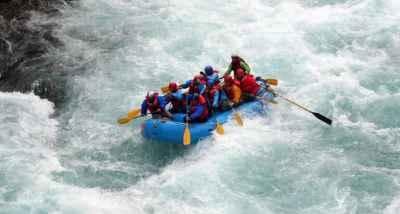
Larji lies on an important stretch of the Beas and is often associated with rafting, river crossings, and the scenic drive between Aut and Kullu. This is one of those places where the water itself becomes the main attraction. The river is broad here, and the valley opens up enough to let you appreciate the scale.
If you want a mix of road travel and water-based activity, this corridor is ideal. Rafting seasons and river access can vary with weather and water levels, so confirm locally before planning anything active. It is usually better suited to spring, early summer, and post-monsoon windows than the peak monsoon months.
What to Expect at Himachal’s River-Island Style Spots
You should expect pebbled banks, confluence points, local tea stalls, and simple viewpoints more than curated tourist facilities. In many places, the best part is the drive and the pause rather than a formal attraction with ticket counters. Some locations will have temples, footbridges, or forest patches nearby, while others are simply natural bends in the river.
Because these areas are often close to highways or valley roads, they are easy to include in an itinerary without adding much cost. Most travellers spend 30 minutes to 2 hours at each stop unless they are rafting, camping, or using the place as a base for a longer side trip.
| Place | What you see | Best for | Typical stop time |
|---|---|---|---|
| Tandi | Chandra-Bhaga confluence, wide valley views | Photography, road trip breaks | 30-60 minutes |
| Bhuntar | Parvati and Beas meeting area | Quick scenic pause, onward travel to Kasol | 20-45 minutes |
| Mandi | River ghats, town riverfront, bridges | Overnight halt, culture, budget stay | Half day to overnight |
| Larji | Beas river corridor and rapids | Rafting, scenic drive | 1-2 hours |
| Rampur-Sutlej belt | Deep river valley, highway views | Drive-through sightseeing | Varies by itinerary |
Best Time to Visit
The most comfortable months for river confluences in Himachal are usually March to June and September to November. During these periods, roads are generally more reliable, the weather is pleasant, and river views are clear. Spring brings fresh water flow, while autumn gives you crisp visibility and cleaner skies.
July and August can be risky in many parts of Himachal because of landslides, road closures, and heavy river flow. Winter travel is possible in lower valleys, but higher routes like Lahaul and some inner valley roads may be affected by snow or black ice. Always check local road status before finalising your drive.
How to Plan a Practical Route
If you are short on time, a sensible 4- to 6-day plan can combine one or two confluence regions with a popular hill destination. For example, you can do Mandi, Kullu, Bhuntar, and Kasol in one circuit, or pair Manali with Tandi and the Lahaul valley if roads are open. Kinnaur works better as a separate trip because the drive itself needs time.
Sample route ideas
- 2-day stopover: Chandigarh to Mandi to Kullu to Manali
- 4-day valley trip: Manali to Tandi to Keylong and back, depending on road access
- 5-day scenic drive: Shimla to Rampur to Kalpa with river stops along the Sutlej
- Leisure route: Kullu to Bhuntar to Kasol to Manikaran with a riverside stay
If you are travelling by self-drive car, expect mountain-road driving times to be longer than map apps suggest. A 90-kilometre stretch can easily take 3 to 4.5 hours in Himachal, especially with traffic, narrow roads, or roadwork. Build in daylight margins and avoid reaching remote sections after dark.
Budget Guide for Indian Travellers
A river-confluence focused Himachal trip can be comfortable without being expensive. The biggest costs are usually transport and accommodation, while the confluence stops themselves are often free. If you stay in mid-range hotels, your budget can remain quite manageable.
- Budget hotels or homestays: Rs.1,000-Rs.2,500 per night
- Mid-range stays: Rs.2,500-Rs.4,500 per night
- Meals: Rs.300-Rs.800 per person per day
- Local taxi day hire: Rs.3,500-Rs.7,000 depending on route and vehicle
- Rafting or activity add-ons: Rs.1,000-Rs.2,500 per person in many common stretches, subject to availability
These figures are indicative and can change by season, fuel prices, vehicle type, and local demand. If you travel during holidays, rates can rise quickly, especially in Manali, Kasol, Kullu, and other high-demand towns.
What to Pack and Prepare
Riverside weather in Himachal can change fast, so pack for layers. Even in summer, early mornings and evenings near the water can feel cold. Good walking shoes are important because many confluence points have uneven banks, stones, or slippery mud after rain.
- Warm layer or light jacket
- Quick-dry clothes if you plan to sit near the river or raft
- Comfortable shoes with grip
- Power bank and offline maps
- Cash for tea stalls, parking, and smaller towns
- Reusable water bottle and basic medicines
Also remember that mobile network can be patchy in many valleys. Download maps before you leave a major town. If you are going into Lahaul, Kinnaur, or remote tributary routes, do not rely entirely on continuous data access.
Responsible Travel Around Rivers
These places may look open and carefree, but they are fragile. Please do not step onto unstable sandbars during high flow, and avoid littering plastic, food wrappers, or glass near the banks. River edges can change shape quickly, especially after rain or when water is released upstream.
If you are stopping for photos, keep a respectful distance from local homes, temples, and work areas. Many of these river points are not tourist parks; they are part of everyday life for villagers, transport workers, and pilgrims.
Frequently Asked Questions
Are there actual islands to visit in Himachal?
Not in the coastal or lake-island sense most travellers imagine. In Himachal, people usually mean river islands, sandbars, or broad river bends around confluences. These are scenic and worth visiting, but they are generally natural river landscapes rather than developed island destinations.
Which is the most famous river confluence in Himachal?
Tandi in Lahaul is among the best-known because the Chandra and Bhaga meet there to form the Chandrabhaga. It is also popular with road trippers heading deeper into Lahaul. The setting is memorable because of the stark mountain backdrop and the wide valley view.
Can I combine river confluences with a regular Himachal holiday?
Yes, easily. Bhuntar, Mandi, Larji, and the Kullu valley area fit neatly into common Himachal itineraries, while Tandi and Kinnaur work better as dedicated road trips. You do not need a separate “river confluence trip” unless you want to explore them in depth.
Is it safe to visit riverbanks during monsoon?
It can be risky. Water levels rise quickly, roads may be affected by landslides, and some banks become unstable or slippery. If you are travelling in July or August, stay cautious, follow local advice, and avoid standing too close to the water’s edge.
How many days should I keep for this kind of trip?
For a short introduction, 3 to 4 days is enough to include a couple of confluences in the Kullu-Mandi belt. If you want Lahaul or Kinnaur, plan at least 5 to 7 days so you can travel without rushing. Himachal rewards slower itineraries because the journey itself is part of the experience.
Do I need permits for these places?
Most common confluence stops do not need special permits for Indian travellers, but some inner valley routes and border-adjacent areas can have travel rules or checkpoints. Conditions can change by season and district, so confirm locally before booking transport or hotels. It is always better to check current requirements than assume last year’s rules still apply.
Conclusion
Himachal’s river confluences and river-island style landscapes are perfect if you enjoy road trips with natural pauses, quiet scenery, and places that feel tied to the rhythm of the mountains. From Tandi’s meeting of the Chandra and Bhaga to the Beas-Parvati belt near Bhuntar and the Sutlej views in Kinnaur, these stops add depth to a Himachal itinerary without making it complicated.
If you travel with patience, leave room for weather delays, and keep your plans flexible, you will experience a side of Himachal that many visitors rush past.
If you found this guide useful, please share the post with someone planning a Himachal trip.
Planning a Himachal trip?
Tell us your dates and who is travelling. Up to three local travel companies send you their itinerary and price.
Get free quotesDisclaimer: The information in this blog is for general information only. We try to keep it accurate and up to date, but TravelSetu accepts no liability for errors or omissions. If you believe any part of it infringes your rights, please write to info@travelsetu.com.