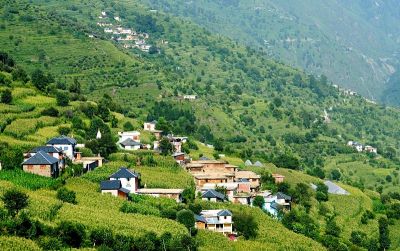
Himachal Lahaul Spiti District Guide
If you are planning a Himachal trip and want something beyond the usual hill-station circuit, Lahaul Spiti deserves your full attention. This district gives you high mountain roads, old monasteries, cold desert landscapes, and villages where travel still feels slow and real. In this guide, you will get a practical overview of when to go, how to reach, what to see, where to stay, and how to plan your days without making the journey harder than it needs to be.
Why Lahaul Spiti feels different from the rest of Himachal
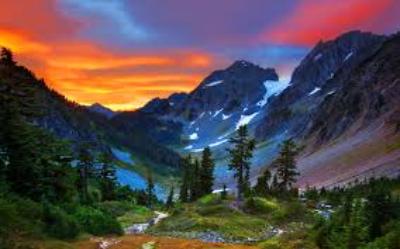
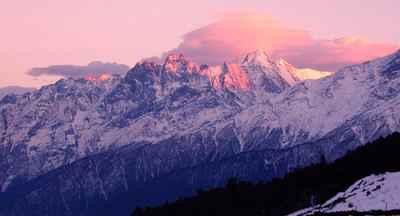
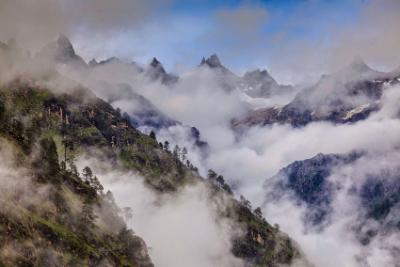
Lahaul Spiti is not a single-weather, single-season destination. It is a high-altitude district where the landscape changes sharply as you move from green valleys to dry brown mountains and then to wide-open desert terrain. The district is usually split into two parts in travel planning: Lahaul, which is closer to Manali and has villages like Keylong, Jispa and Sissu, and Spiti, which includes places like Kaza, Kibber, Langza, Hikkim and Tabo.
For Indian travellers, the biggest appeal is the sense of scale. Roads are long, distances are real, and the scenery is not something you rush through. A short break can work if you focus on one side of the district, but a proper trip usually needs at least 6-8 days so you can travel without constantly watching the clock.
Best time to visit and what each season feels like
The best time depends on the route you want to take and how much cold you can handle. Snow, landslides, and road openings matter a lot here, so you should always check the latest road status before booking.
| Season | What to expect | Best for |
|---|---|---|
| May to June | Roads begin to open, weather is cool, some snow remains in higher areas | First-time visitors, road trips, photography |
| July to September | Best road access, greener valleys, monsoon can affect Kinnaur side | Comfortable travel and longer itineraries |
| October to mid-November | Clear skies, cold nights, fewer tourists | Serene stays, strong mountain views |
| December to April | Heavy snow in many parts, many routes may be difficult or closed | Experienced winter travellers only |
If you want the safest and simplest trip, plan for late May through September. June and September are especially good because the weather is usually manageable and the roads are more predictable than in peak monsoon or deep winter.
How to reach Lahaul Spiti
From Manali to Kaza
The Manali side is the more popular route for travellers heading into Spiti. You cross the Atal Tunnel area, enter Lahaul, and continue toward Kaza through high mountain passes and wide valleys. Manali to Kaza is roughly 190-210 km depending on the exact route and road conditions, and it usually takes 8-10 hours or more with stops.
This route feels dramatic and is the one most people imagine when they think of a Himachal road trip to Spiti. It is also the route most sensitive to snow and weather, so do not assume it will be open at the start or end of the season.
From Shimla via Kinnaur
The Shimla route is longer but often smoother in terms of altitude gain. Travelling through Reckong Peo, Kalpa and Nako before entering Spiti lets you acclimatise better. Shimla to Kaza is a multi-day journey if you do it properly, and many travellers break it with overnight stops in Kalpa or Nako.
If you are worried about altitude sickness, this route is often the smarter choice because it allows a gradual climb rather than a sudden jump from the plains or from Manali.
By air and rail
The nearest practical airport is Bhuntar near Kullu, but from there you still need a long road journey. The nearest major rail access is at Chandigarh or Pathankot, followed by a drive. In simple terms, road travel is still the main way to reach this district, and you should plan your trip around that reality rather than expecting quick connections.
What to see in Lahaul
Lahaul is the softer entry point into the district, with a mix of river valleys, village life, and access to some beautiful side trips. It works well if you want a calmer start before heading deeper into Spiti.
Keylong and nearby villages
Keylong is the administrative centre and a practical base for a night halt. You will find basic hotels, dhabas, fuel access, and a few services here. From Keylong, you can visit nearby villages and monasteries without driving for long hours. It is not a luxury destination, but it is useful, and that matters a lot in high-altitude travel.
Sissu and the Lahaul valley
Sissu is one of the easiest places to add to a Manali-side itinerary. It is around 40-50 km from Manali depending on your route and is often used as a first stop after crossing the tunnel. The area is known for open valley views, waterfalls in the warmer months, and a good place to adjust to altitude without jumping straight into very rough terrain.
Jispa and Darcha
Jispa is a favourite overnight stop for bikers and road trippers because it sits on the route toward more remote sections of the district. If you are doing a long drive, staying here gives you a quieter experience than rushing all the way to Kaza in one go. Darcha is further along and often comes up in longer high-altitude itineraries.
What to see in Spiti
Spiti is where most first-time visitors spend their excitement budget, and for good reason. The villages are high, dry, and spread out, and the culture is closely tied to Buddhist monasteries and mountain adaptation. Distances look small on a map, but road speed is slow enough that a few hours can pass quickly.
Kaza as your base
Kaza is the main town and the most sensible base for exploring central Spiti. You will find guesthouses, homestays, cafes, ATMs that may or may not cooperate, and vehicle access for local sightseeing. For most travellers, 2-3 nights in Kaza is the minimum if they want to see nearby villages without constant packing and unpacking.
Key Monastery and Kibber
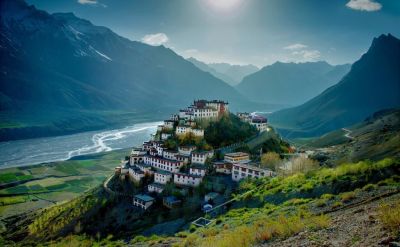
Key Monastery is one of the most recognised stops in Spiti and sits on a hill above the valley. The drive from Kaza is short, usually around 10-12 km, and the views from the monastery area are a major part of the experience. Kibber, farther ahead, is known for its high-altitude setting and village character. It is a good same-day combination with Key Monastery.
Langza, Hikkim and Komic
This trio is popular because it makes for a classic Spiti day trip from Kaza. Langza is known for its Buddha statue and wide-open terrain, Hikkim for its post office, and Komic for being one of the highest motorable villages in the area. Do not treat these villages like checklist stops only; the real pleasure is the road itself and the small pauses in each village.
Tabo and Dhankar
Tabo Monastery is often called one of the most important cultural stops in the region, and Dhankar offers a striking setting with a monastery overlooking the valley. If you are coming from the Kaza side, these can be planned as part of a separate day or as an overnight extension depending on your pace. The road conditions and driving time can vary a lot, so keep your schedule flexible.
How many days you should plan
The right duration depends on whether you want a short taste or a proper circuit. If you only have a long weekend, choose either Lahaul or central Spiti, not both. If you want a fuller experience, a longer road trip makes much more sense.
- 3-4 days: Best for a Manali-Sissu-Keylong-Lahaul loop or a very limited Spiti plan.
- 5-6 days: Good for Keylong, Kaza, Key Monastery, Kibber, Langza and a relaxed return.
- 7-9 days: Ideal for combining Lahaul and Spiti with proper acclimatisation and side villages.
A sensible plan is to avoid long night drives and keep at least one buffer day if you are travelling in early season or late season. In the mountains, a flexible itinerary often works better than a packed one.
Stay, food and budget
Accommodation in Lahaul Spiti is simpler than in places like Manali or Shimla, but that is part of the experience. You will mostly find guesthouses, homestays, and small hotels rather than large resorts. In peak season, expect rates to rise, especially in Kaza and popular villages.
Typical stay budget: ?1,200-?2,500 per night for basic guesthouses and homestays, and ?2,500-?6,000 per night for better rooms or premium stays where available. In peak weeks, prices can climb further, so book early if you have a fixed travel window.
Food is usually simple and filling. You will find dal-chawal, Maggi, thukpa, momos, parathas, and tea at most stops. In a few places, local Himachali food is also available, especially at homestays. A practical food budget of ?500-?1,000 per person per day is reasonable if you are eating at local places.
Permits, roads and travel safety
For many Indian travellers, one of the most common questions is about permits. Rules can change, especially for foreign visitors and for certain border-adjacent zones, so it is best to confirm current requirements before you travel. For Indian nationals, the bigger issue is usually road access, vehicle condition, and whether the route is open.
Carry enough cash because ATMs may be limited or unreliable beyond major towns. Fuel stations are also sparse in some stretches, so fill up whenever you get the chance. Keep warm layers, a power bank, medicines for altitude-related discomfort, and a basic first-aid kit. Network coverage is patchy, so do not depend on mobile data for navigation in every stretch.
If you are self-driving, choose a vehicle with good ground clearance and make sure tyres, brakes and spare wheel are in good shape. A well-maintained sedan can manage some routes in good weather, but an SUV or similar vehicle is usually more comfortable. Always check local advice on road conditions before taking a smaller car into remote sections.
Practical tips for first-time visitors
- Plan your ascent slowly and sleep at a lower altitude on the first night if possible.
- Keep your itinerary short on the first day after entering the district.
- Carry sunscreen, sunglasses and lip balm; the sun is strong even when the air feels cold.
- Drink water regularly and avoid overexertion on the first 24 hours.
- Book accommodation in advance during June, early July, and long weekends.
- Check road and weather updates locally instead of relying only on old online posts.
Frequently Asked Questions
Is Lahaul Spiti good for a first Himachal trip?
Yes, but only if you are comfortable with long road journeys and basic mountain travel. It is not the best place for a very relaxed, resort-style holiday. If you like landscapes, monasteries and road trips, it can be an excellent first choice.
How many days are enough for Lahaul Spiti?
For a meaningful trip, try to keep at least 6-8 days. You can do a shorter trip, but then you should focus on either Lahaul or central Spiti rather than trying to cover too much. The roads are too slow to make a rushed itinerary enjoyable.
Which route is better: Manali or Shimla?
The Manali route is shorter and more dramatic, while the Shimla route is better for gradual acclimatisation. If you are worried about altitude, the Shimla side is often easier. If you want a quicker entry into Lahaul and Spiti, Manali is usually the preferred option, subject to road opening.
Can families travel to Lahaul Spiti?
Yes, many families do travel here, especially in the main season. That said, you should keep the itinerary comfortable, avoid very tight schedules, and be cautious if travelling with small children or elderly travellers. A slower plan with more rest stops is the safer choice.
What should I pack for this district?
Carry warm clothing even in summer, including a jacket, thermals if needed, gloves, socks, and a cap for cold evenings. Add medicines, sunscreen, moisturizer, a torch, snacks, and power banks. It is also wise to keep photocopies or digital copies of identification documents.
Is it expensive to travel in Lahaul Spiti?
It can be moderate to expensive depending on transport and accommodation. A budget road trip is possible if you stay in homestays and eat locally, while a self-drive or private-cab trip can cost much more. Your total spend will depend mostly on how many days you stay and how many remote stops you include.
Lahaul Spiti rewards travellers who plan carefully and keep their expectations practical. If you give it enough time, respect the altitude, and travel with flexibility, you will come back with a very different picture of Himachal than the one most people know.
If this guide helped you plan your trip better, share the post with someone who is thinking about a Lahaul Spiti journey.
Disclaimer : The information provided in this blog is for general informational purposes only. While we strive to keep the content accurate and updated, TravelSetu assumes no liability for errors or omissions. If you believe any part of this blog infringes your rights or causes concern, please notify us immediately at info[at]travelsetu[dot]com so that appropriate action can be taken.