Himachal Outdoor Education Programmes
If you are planning an outdoor learning trip in Himachal, this guide is for you. Himachal Pradesh is one of India’s best places for outdoor education programmes because it combines mountains, forests, rivers, and small hill towns that are easy to reach from Delhi, Chandigarh, and other North Indian cities. In this article, you will find practical advice on where these programmes happen, what activities they include, how much they cost, and how to choose the right one for students or youth groups.
Why Himachal Works So Well for Outdoor Education
Himachal Pradesh offers a natural classroom that feels far removed from city life, yet remains accessible for school groups and colleges. The state’s varied terrain makes it suitable for trekking, camping, rock climbing, river-based activities, nature study, and team-building exercises. For young learners, the real value lies in experience: they learn discipline, cooperation, risk awareness, and environmental responsibility while spending time outdoors.
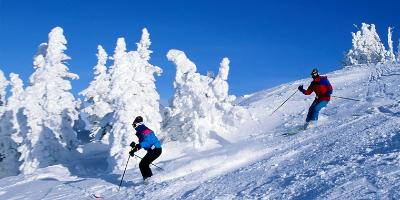
The climate also helps. Summer months from April to June are popular for lower-altitude destinations such as Solan, Chail, Kasauli, and Dharamshala. For higher-altitude outdoor education trips, May to early October is usually more practical, though weather can change quickly in the hills. Winter programmes are possible in some places, but they require better planning, warmer gear, and a provider with strong safety systems.
Most Indian schools and colleges choose Himachal for 2-day, 3-day, or 5-day programmes because travel from Chandigarh, Delhi, Haryana, Punjab, and Rajasthan is manageable. An overnight road journey can often get you to the hills by the next morning, which keeps logistics relatively simple for group leaders.
Types of Outdoor Education Programmes in Himachal
Outdoor education in Himachal is not just about adventure sports. A good programme usually mixes physical activity with reflection, nature learning, and basic life skills. Depending on the operator and the age of the participants, you may see different formats.
School Nature Camps
These are ideal for students from classes 5 to 12. A typical nature camp may include guided walks, map reading, tent pitching, campfire sessions, birdwatching, and simple survival or leadership exercises. Many schools prefer these camps during summer vacations or as part of annual activity calendars.
Adventure Learning Camps
These are more active and often include trekking, rope activities, flying fox, obstacle courses, river crossings, and outdoor games. They suit teenagers and college groups better. Some camps are built around a specific theme such as leadership, teamwork, or resilience.
Environmental Education Programmes
These programmes focus on local ecology, waste management, water conservation, and responsible trekking. In places like Dharamshala, Mashobra, and portions of the Kullu Valley, you can combine classroom-style sessions with field visits, forest walks, and clean-up drives. These are excellent for students who need a balance of learning and outdoor exposure.
Leadership and Team-Building Retreats
Colleges, corporate youth groups, NCC units, and student bodies often choose short leadership retreats in Himachal. Activities may include trust exercises, problem-solving tasks, trekking, and group challenges. The aim is less about thrill and more about communication, confidence, and group coordination.
Best Places in Himachal for Outdoor Education
Different parts of Himachal suit different styles of programmes. Your choice should depend on age group, season, transport route, and the level of physical activity you want. Here are some of the most practical areas.
Shimla, Kufri, Mashobra, and Naldehra
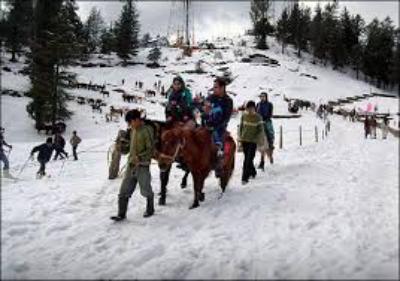
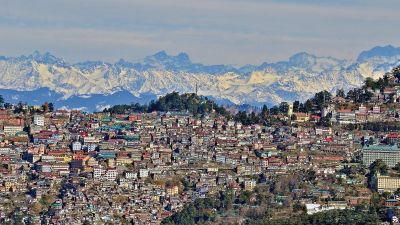
This belt is a classic choice for school camps. It is accessible from Chandigarh and Delhi by road, though travel time can vary widely with traffic and weather. The area works well for shorter programmes, nature walks, horse riding in some zones, basic treks, and confidence-building activities. Mashobra and Naldehra are especially useful if you want a quieter setting than central Shimla.
Chail and Solan Region
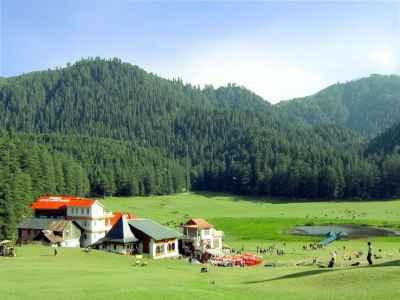
Chail is popular for its forested environment and comparatively calm atmosphere. It suits camping, short hikes, and low-to-medium intensity outdoor learning. Solan district also offers many private resorts and camp properties that host student groups, especially during summer. For schools, this region is often preferred because it is less crowded than the main tourist centres.
Dharamshala and McLeod Ganj
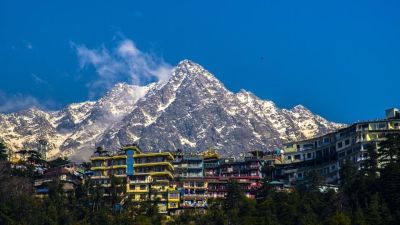
This is a strong option for programmes that combine trekking, cultural learning, and environmental awareness. The region offers access to forest trails, monastery visits, and educational walks. Depending on the group’s age and fitness, operators may add short hikes around Dharamkot, Triund base routes, or village-based learning around Kangra district.
Bir Billing
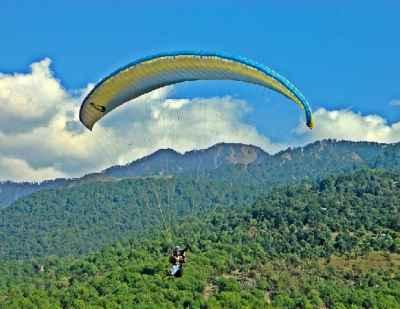
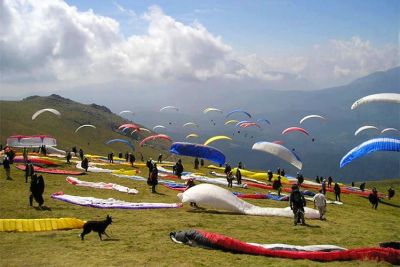
Bir Billing is better known for paragliding, but it also works well for outdoor education, especially for older students and college groups. Beyond the adventure value, the area is useful for discussions on mountain ecology, local livelihoods, and responsible tourism. If your group includes younger children, keep the activity plan gentler and avoid making the programme too sport-heavy.
Manali and the Kullu Valley
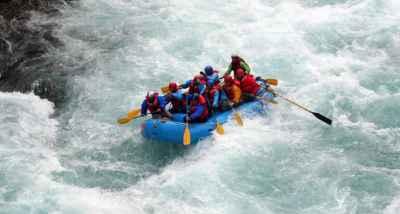
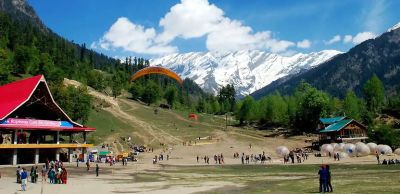
Manali is one of the most versatile locations for outdoor programmes, with trekking, camping, rafting access in the wider region, and plenty of open space. It is better suited for older students or groups that can handle longer travel and higher tourist density. You should plan carefully in peak season, especially from May to June and around long weekends.
Tirthan Valley and Jibhi
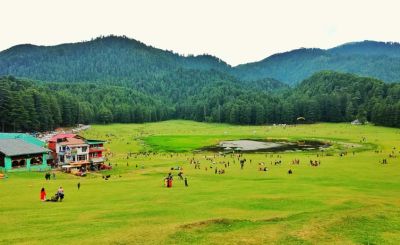
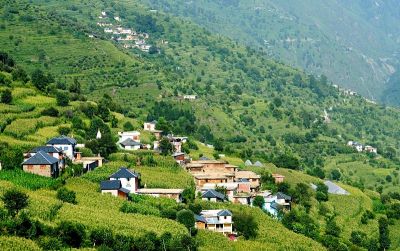
For a quieter, more nature-focused experience, Tirthan Valley and Jibhi are excellent choices. These areas are suitable for birdwatching, forest walks, stream-side learning, and slow-paced reflection activities. They are ideal when you want the programme to feel less commercial and more connected to the environment.
What a Good Programme Usually Includes
A reliable outdoor education package should cover more than meals and tents. Before booking, check exactly what is included and what is not. The best programmes usually offer a structured schedule rather than leaving students idle between activities.
- Accommodation in tents, dorms, cottages, or basic field lodges
- All meals, usually vegetarian with options for simple non-veg in some camps
- Guided outdoor activities with trained instructors
- Safety equipment such as helmets, harnesses, ropes, and first-aid support
- Campfire or evening reflection sessions
- Nature interpretation, local ecology talks, or environmental workshops
- Transport support from nearby towns, if arranged by the operator
Some programmes also include certificates, journals, badges, or evaluation sheets for schools. If your institution wants learning outcomes, ask the provider to share a daily plan and a list of measurable activities.
How Much Outdoor Education in Himachal Costs
Prices vary based on season, destination, group size, accommodation type, and activity level. In general, school and youth outdoor education packages in Himachal can range from budget-friendly to fairly premium. Always confirm whether GST, transport, and adventure activity fees are included before paying.
| Programme Type | Typical Duration | Indicative Cost per Person |
|---|---|---|
| Basic school nature camp | 1-2 nights | ?2,500-?5,000 |
| Adventure learning camp | 2-4 nights | ?4,500-?9,000 |
| Leadership or team-building retreat | 2-3 nights | ?5,000-?10,000 |
| Higher-end customised programme | 3-5 nights | ?8,000-?15,000+ |
Private transport from Delhi or Chandigarh can add significantly to the overall budget. For example, a tempo traveller or bus arrangement may cost anywhere from ?18,000-?45,000 or more depending on distance, route, and vehicle type. Accommodation in Himachal also changes sharply by season, especially in tourist-heavy locations like Manali and Dharamshala.
Planning the Trip: Best Time, Duration, and Group Size
For most student groups, 2 nights and 3 days is the sweet spot. It is long enough to feel meaningful but short enough to keep travel manageable. If the aim is serious outdoor learning or trekking, 4 to 5 days works better, especially for older students or college groups.
The best months are usually March to June for lower and mid-altitude locations, and September to November for cleaner weather after the monsoon. July and August can be tricky because of rain, roadblocks, and slippery trails. December to February can work in select destinations, but your operator should have winter-ready accommodation and emergency planning.
Group size matters too. Smaller groups often get better supervision, while larger groups are easier to manage if the programme is well structured. For school travel, ask for a ratio of instructors to students that makes sense for your age group. Younger children need tighter supervision, especially around slopes, water, and campfire areas.
Safety, Permissions, and Practical Checks
Safety should be the first filter, not the last. A polished brochure means little if the campsite is poorly run. Ask direct questions before you confirm anything, and do not hesitate to request photos, sample itineraries, or references from other schools.
Check whether the camp has trained instructors, first-aid kits, emergency vehicle access, and contact with the nearest hospital or clinic. If activities like trekking, rappelling, or river work are included, confirm that the equipment is well maintained and that helmets and harnesses are provided in the right sizes. For school groups, teachers or guardians should always know the day-wise plan and emergency contact numbers.
Some locations may require local permissions or may have restrictions depending on forest zones, weather, or local rules. These details can change, so confirm them directly with the operator and the local administration before travel. It is also wise to ask about phone network availability, electricity backup, drinking water, and washroom arrangements.
How to Choose the Right Operator
There are many camps and adventure providers in Himachal, but quality varies. The right operator should be comfortable handling children, youth groups, and education-based itineraries, not only leisure tourists. Choose based on substance, not just price.
- Ask for a written itinerary with timings, meals, activities, and accommodation details.
- Check if the operator has experience with school or college groups specifically.
- Verify safety protocols, staff qualifications, and emergency arrangements.
- Look for realistic activity levels, not overpacked schedules.
- Confirm whether the camp can adapt food, rooming, and activity intensity for younger participants.
If your group includes mixed ages, ask for parallel activity options. A strong provider will know how to keep teachers comfortable, younger students engaged, and older students challenged without pushing anyone beyond safe limits.
Frequently Asked Questions
What age group is suitable for Himachal outdoor education programmes?
Most programmes can be adapted for children from class 5 onward, though the intensity should match the age and fitness level of the group. Primary school groups usually need gentler activities, while classes 8 to 12 and college students can handle more trekking, team tasks, and outdoor challenges. Always ask the operator whether the programme is designed for your specific age band.
Are these programmes suitable for first-time campers?
Yes, many Himachal camps are designed for beginners. In fact, first-time campers often benefit the most because they get a structured introduction to outdoor living, teamwork, and basic discipline. Just make sure the campsite offers proper bedding, clean washrooms, and support staff who are used to handling new campers.
Do students need special fitness levels for these trips?
Not always. Many nature camps and short outdoor education programmes in Himachal are suitable for average fitness levels. However, if your itinerary includes long treks, steep climbs, or physically demanding adventure activities, it is better to prepare students in advance with light walking and basic stamina-building.
How far in advance should schools book?
For peak season travel, booking 4 to 8 weeks in advance is sensible, and even earlier if your group is large. Popular hill destinations can fill up quickly during summer vacations, long weekends, and school holiday windows. Early booking also helps you secure better transport and accommodation rates.
Can outdoor education programmes be customised?
Yes, and they should be. A good provider can customise the balance of learning, trekking, games, environmental sessions, and free time based on your group’s age and purpose. If your school wants curriculum-linked learning or leadership outcomes, ask for a custom plan rather than a generic package.
What should students pack for Himachal?
Light woollens, comfortable walking shoes, a rain jacket, a water bottle, basic toiletries, sunscreen, and a small flashlight are usually useful. In cooler months, add gloves, a cap, and extra layers. Since weather can change quickly in the hills, it is better to carry a little more than less.
Conclusion
Himachal Pradesh is one of the strongest choices in India for outdoor education because it offers real learning, fresh air, and practical adventure in one trip. If you choose the right destination, the right season, and a responsible operator, your group can return with far more than photographs: they come back with confidence, teamwork, and memories that last.
If you found this guide useful, please share this post with others planning an outdoor education trip to Himachal.
Disclaimer : The information provided in this blog is for general informational purposes only. While we strive to keep the content accurate and updated, TravelSetu assumes no liability for errors or omissions. If you believe any part of this blog infringes your rights or causes concern, please notify us immediately at info[at]travelsetu[dot]com so that appropriate action can be taken.