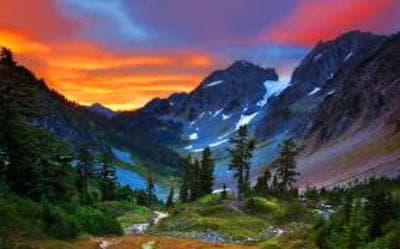
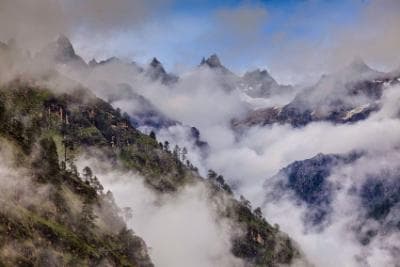
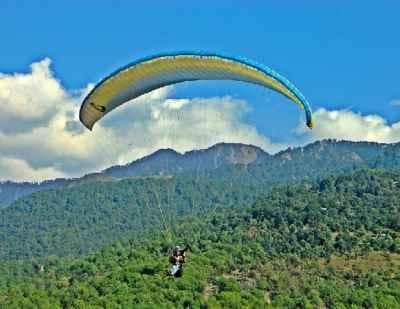
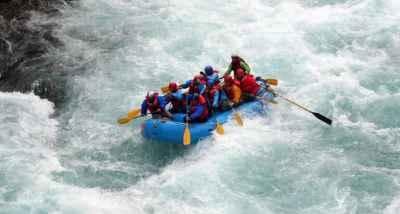
If you are planning a photography trip to Himachal and want your pictures to do more than just fill your gallery, this guide is for you. It will help you understand the kinds of photography competitions and photo challenges linked to Himachal, the best places to shoot, the right seasons, and how to plan a practical trip around them.
Himachal Pradesh gives you mountains, monasteries, apple orchards, old bazaars, snow roads, and clear night skies in one state. That variety makes it a strong setting for amateur contests, travel photography submissions, Instagram challenges, club competitions, and even serious portfolio work.
Why Himachal Works So Well for Photography Competitions
Photography contests usually reward more than pretty scenery. Judges often look for composition, light, storytelling, originality, and a sense of place. Himachal gives you all of that in a compact travel circuit, so you can shoot landscapes, culture, portraits, and action without changing states.
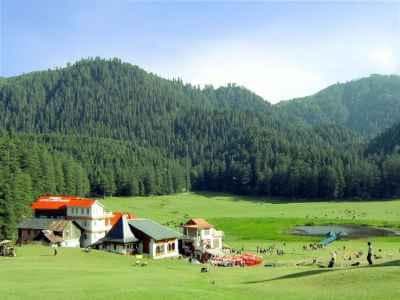
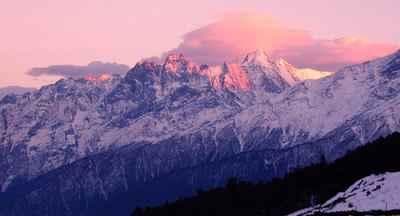
In the same week, you can photograph a misty pine forest near Dharamshala, a street scene in Shimla’s lower bazaar, a sunrise over the Dhauladhar range, and a monastery in Spiti under hard blue winter light. That range is useful if you want to submit multiple images to different categories.
Types of Photography Competitions You May Find for Himachal
You will come across a few different formats, and it helps to know the difference before planning your shoot.
- Open travel photography contests: These accept images from any location, including Himachal, and usually focus on landscape, culture, or wildlife.
- Theme-based contests: Some are built around snow, heritage, monasteries, villages, adventure, or local festivals.
- Social media challenges: Travel pages, tourism boards, and camera communities often run hashtag-based competitions with simple submission rules.
- Club and college contests: Photography clubs in India often encourage entries from Himalayan travel portfolios.
- Destination contests: Local tourism campaigns sometimes invite images shot specifically in Himachal districts such as Kangra, Kullu, Lahaul-Spiti, Chamba, or Shimla.
If you are entering any contest, read the rules carefully. Some allow phone photography, some want original RAW files, and some restrict heavy editing. Also confirm the copyright terms before you submit.
Best Places in Himachal for Competition-Worthy Frames
Himachal is broad enough that you can tailor your route to the kind of image you want. A landscape-focused trip and a culture-focused trip will not look the same, so choose with intent.
Shimla and nearby areas
Shimla gives you colonial architecture, crowded markets, ridge views, and easy access from Delhi and Chandigarh. The Ridge, Christ Church area, Lakkar Bazaar, and Jakhoo viewpoints are useful if you want a mix of city life and mountain background. Summer mornings and winter fog both create strong moods, though monsoon travel can be unpredictable.
Dharamshala and McLeod Ganj
This region works well for monastery photography, prayer flag details, portraits, and mountain-town street scenes. The light around sunrise and late afternoon is especially forgiving. You can also explore Bhagsu, Naddi, and nearby tea gardens for different textures within a short drive.
Spiti Valley
Spiti is one of the strongest choices if you want stark, high-altitude drama. Key Monastery, Dhankar, Langza, Komic, Hikkim, and the Kaza belt offer wide landscapes, monastery life, and strong geometric forms. The road journey itself becomes part of the story, especially between Kullu, Kunzum, and Kaza. Expect long travel times and keep buffers for road conditions.
Kullu and Manali belt
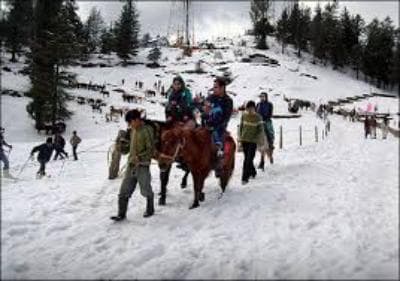
The Kullu-Manali route is popular because it is accessible and visually varied. You can photograph riverbanks, cedar forests, apple orchards, village homes, market lanes, and mountain passes. If you are chasing snow imagery, Solang, Gulaba, and the higher stretches around Rohtang side routes can be useful when open, though access changes by season and local rules.
Chamba and Kangra
These districts are good if you want heritage, temples, and a more settled pace. Chamba town, Bhuri Singh Museum surroundings, and smaller temple landscapes add cultural depth. In Kangra, the fort, tea estates, and the foothill views around Palampur and Baijnath can give you softer light and less crowded frames.
Best Seasons for Different Kinds of Images
Timing matters in Himachal more than in many other regions because weather, road access, and visibility change sharply across the year. A competition image shot in the right month can easily stand out from a similar location shot in poor light or bad conditions.
| Season | Best For | What to Expect |
|---|---|---|
| March to May | Clear landscapes, apple blossom areas, comfortable travel | Fresh greenery, good road access, long daylight |
| June to early July | Cloud drama, monsoon mood in lower hills | Lush tones, but rain disruption and landslide risk in some zones |
| September to November | Sharp mountain visibility, golden light, village scenes | Often one of the best periods for travel photography |
| December to February | Snow frames, winter portraits, high-altitude scenes | Cold conditions, road closures in some areas, need for warm gear |
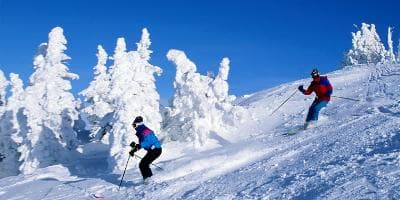
For most photography competitions, September to November is the safest bet for clarity and colour. If you want snow, January and February can work well in lower-accessible snow zones like Kufri, parts of Manali, or selected areas near Dalhousie and Lahaul, depending on weather and road status.
How to Plan a Photography Trip Around a Contest
A competition-ready trip should be planned differently from a normal sightseeing holiday. You need time for scouting, repeat shots, weather changes, and backup subjects.
- Choose one theme first: For example, “village life in Spiti,” “monasteries of Himachal,” or “winter roads and snow scenes.”
- Set a realistic route: A 5- to 7-day trip works for one region such as Shimla-Kufri or Dharamshala-Palampur. A 9- to 12-day trip is better for Manali-Spiti.
- Build buffer days: Weather delays are common, especially on mountain roads.
- Carry multiple backup subjects: If clouds block a peak shot, switch to markets, portraits, food, or detail shots.
- Review images nightly: Check exposure, focus, and composition each evening so you do not return with only one usable set.
If you are travelling from Delhi, Shimla is roughly 350 km and usually takes about 7-9 hours by road depending on traffic and halts. Dharamshala is around 480 km from Delhi and often takes 9-11 hours by road. Manali is about 500 km from Delhi and can take 12-14 hours, while Spiti trips need much more time because road conditions vary widely.
What to Carry for Himalayan Photography
Your gear should support long outdoor days, temperature swings, and occasional dust or snow. You do not need the most expensive setup, but you do need dependable basics.
- Camera body and at least one backup storage card
- Wide-angle lens for landscapes and interiors
- 50mm or short telephoto lens for portraits and details
- Extra batteries, since cold weather drains them quickly
- Weather protection for your bag and camera
- Tripod for sunrise, night skies, and long exposures
- Power bank and spare chargers for remote locations
- Warm layers, gloves, and good shoes so you can stand still and shoot comfortably
For edited competition entries, aim for clean files rather than over-processed images. Strong mountains do not need aggressive filters. Judges usually notice natural colour, careful framing, and good timing more than heavy effects.
Practical Travel Costs You Should Expect
Budgets vary by season and route, but these ranges are realistic for a photography-focused Himachal trip. Prices can move up during holidays, snowfall periods, and long weekends, so confirm before booking.
- Budget homestay or guesthouse: Rs.1,000-Rs.2,500 per night
- Mid-range hotel: Rs.2,500-Rs.5,500 per night
- Taxi for local sightseeing: Rs.2,500-Rs.6,000 per day depending on route and vehicle
- Intercity Volvo bus from Delhi to key towns: roughly Rs.900-Rs.2,000 one way
- Meals: Rs.300-Rs.800 per person per day in simple eateries, more in cafes and resort areas
In remote areas like Spiti or high passes, keep extra cash because ATM access and network coverage can be patchy. Also plan for local vehicle changes if road conditions require a different taxi type or route.
Etiquette, Permissions, and Responsible Shooting
Good travel photography in Himachal depends on respect. Many of the best frames involve people, monasteries, villages, and sacred spaces, so approach with care.
Ask before photographing people, especially in villages, markets, and monastic spaces. Some monasteries allow photography only in selected areas or at certain times. Avoid blocking lanes, damaging fields, or stepping into private property for a better angle. If you are shooting for a contest, remember that a strong image should never come at the cost of local comfort.
For drone photography, check current local regulations, restricted zones, and any permit requirements before flying. Rules can change, and some places may have local restrictions even if the drone seems small and harmless.
How to Make Your Himachal Submission Stand Out
Many people submit the same obvious shot: a snow peak, a monastery, or a roadside pine tree. To stand out, think about story and sequence.
Try submitting a series with one visual thread, such as a shepherd on a ridge, prayer wheels in soft morning light, or a journey from roadside market to high village. Include a wider scene, a mid-shot, and a detail image if the competition allows a set. This makes your entry feel deliberate rather than random.
Also pay attention to weather windows. After a fresh snowfall or a clear post-rain morning, the mountains often look sharper and the skies deeper. Early light in Himachal is especially rewarding because shadows are soft and roads are quieter.
Frequently Asked Questions
Are there specific photography competitions only for Himachal?
Yes, from time to time tourism boards, local travel pages, and regional clubs run Himachal-themed contests. Some are state-level campaigns, while others are seasonal challenges tied to festivals, winter travel, or destination promotions. Always check the current rules, because contest formats change often.
Which part of Himachal is best for landscape photography?
Spiti is one of the strongest choices for dramatic landscape work, especially if you like wide, empty, high-altitude scenes. Manali, Kullu, and parts of Shimla district also work well for more accessible mountain imagery. If you want softer green hills, Kangra and Palampur are excellent.
Is winter a good time for photography in Himachal?
Yes, winter can produce excellent snow scenes, clear air, and strong contrasts. The trade-off is difficult travel, cold temperatures, and possible road closures, especially in higher regions. If you shoot in winter, keep extra buffer days and check road and weather updates before moving.
Can I use a phone for photography competitions in Himachal?
Many competitions accept phone images, especially social media contests and some travel categories. A modern phone can do very well in good light, particularly in towns, villages, and sunrise or sunset conditions. Just make sure your image is sharp, well composed, and edited lightly.
How many days should I keep for a photo-focused trip?
For one region, 4-6 days can work if you want a focused portfolio. For a larger circuit such as Manali-Spiti or Dharamshala-Chamba, 8-12 days is more practical. Extra time helps you wait for better weather, better light, and better people-and-street moments.
Do I need permission to photograph monasteries and villages?
Sometimes yes, especially inside monastery buildings or in sensitive cultural spaces. In villages, it is best to ask before photographing people closely. A polite approach usually works well and often leads to better interactions and more authentic portraits.
Himachal is one of those destinations where a photography trip can become a real creative journey if you plan it with care. Pick a clear theme, travel in the right season, respect local spaces, and give yourself enough time to wait for the right light. If you do that, your Himachal images will feel far stronger than a quick holiday album.
If this guide helped you plan your trip, share the post with a fellow traveller who wants to photograph Himachal well.
Planning a Himachal trip?
Tell us your dates and who is travelling. Up to three local travel companies send you their itinerary and price.
Get free quotesDisclaimer: The information in this blog is for general information only. We try to keep it accurate and up to date, but TravelSetu accepts no liability for errors or omissions. If you believe any part of it infringes your rights, please write to info@travelsetu.com.