If you are planning a trip to Himachal Pradesh, travel blogs and online communities can save you time, money, and a few bad decisions along the way. From road conditions on the Manali side to snow updates in Spiti and local festival tips in Kangra, the right sources help you plan a smoother, more realistic itinerary.
This guide is for Indian travellers who want practical Himachal advice, not vague inspiration. You will learn where to look for trustworthy updates, which communities are useful for different regions, and how to use blog information without falling for outdated advice.
Why Himachal Travel Blogs Matter So Much
Himachal changes fast from season to season, and even from one valley to the next. A plan that works in April for Dharamshala may fail in January for Kinnaur, especially if you are relying on old transport timings or weather assumptions.
Good Himachal travel blogs usually give you what official tourism pages do not: road reality, local food stops, guesthouse suggestions, and the kind of day-by-day detail that helps with self-drive road trips, family holidays, and backpacking plans. They are especially useful if you are going beyond Shimla and Manali into places like Jibhi, Tirthan, Kalpa, Chitkul, Keylong, Lahaul, or Parvati Valley.
What to Look for in a Reliable Himachal Blog
Recent first-hand updates
Himachal roads, homestays, and local transport details can become outdated quickly. When you read a post, check whether it mentions a recent month, recent snowfall, current route conditions, or a year that is close to now. A blog written after a recent trip to the area is far more useful than a generic evergreen listicle.
Specific place names and route details
The better blogs do not just say “visit the mountains.” They name the actual route, such as Shimla to Sarahan via Rampur, or Manali to Atal Tunnel, Keylong, and Sissu. They also explain distances, drive times, and where to stop for food, fuel, or a night halt.
Practical cost breakdowns
Look for blogs that mention realistic prices for stays, cabs, and meals. For example, homestays in many parts of Himachal may range from Rs.1,200-Rs.3,500 per night, while popular hotel areas like Manali, McLeod Ganj, and Shimla can go higher in peak season. Good writers will tell you when rates spike in May-June, long weekends, and winter snow weeks.
Clear safety and season advice
Useful Himachal blogs talk honestly about landslides, slippery roads, altitude, and cold weather. For instance, a Spiti trip in May is very different from one in October, and a snow drive near Jalori Pass or Rohtang area needs a different level of preparation. If a blog ignores risk completely, treat it cautiously.
Best Types of Himachal Travel Communities to Follow
Travel communities help you get live updates that blogs alone cannot provide. The trick is to use them as a check, not as your only source.
Facebook groups for route and weather updates
Facebook groups focused on Himachal, Spiti, Manali, Kasol, or Dharamshala are often the fastest place to find current road and weather information. Travellers post snow conditions, taxi rates, traffic jams, and hotel experiences. Since group quality varies, read several recent posts before trusting a recommendation.
Instagram and reel-based creator communities
Instagram is useful for visual inspiration, but it can also be misleading if a place looks easier or less crowded than it really is. Use it to discover homestays, cafes, and viewpoints in places like Bir, Tirthan Valley, or Chail, then confirm the details elsewhere. Short videos are best for road conditions, trail access, and stay ambience, not for complete planning.
Reddit-style discussion and long-form forums
Longer discussions are helpful when you want honest answers about solo travel, budget planning, public transport, or driving in Himachal. You may find better commentary on route choices like Shimla versus Chandigarh entry, or whether to combine Kasol with Tosh and Kheerganga in one trip. These spaces often reveal practical problems that polished blogs skip.
WhatsApp and local traveller circles
If you already know people who travel Himachal often, their WhatsApp groups can be gold. Local drivers, homestay owners, and frequent travellers sometimes share the kind of real-time information that no public blog can match. Just remember that informal advice can still be biased toward personal preference.
Region-by-Region: Where Blog Research Helps Most
| Region | What to Research | Best Time to Check Blogs |
|---|---|---|
| Shimla, Kufri, Chail | Traffic, hotel rates, weekend crowd levels | Before summer holidays and New Year |
| Manali, Solang, Atal Tunnel | Snow access, cab prices, circuit options | December to March |
| Dharamshala, McLeod Ganj, Palampur | Trek conditions, cafes, monastery visits, weather | March to June and September to November |
| Kasol, Tosh, Malana, Parvati Valley | Trail safety, local norms, stay quality, transport | April to June and September |
| Spiti, Kinnaur, Lahaul | Road opening, fuel stops, altitude advice, permits | May to October |
This kind of region-wise reading helps you avoid generic advice. A Spiti blog written for midsummer may not help you if you are travelling in shoulder season, and a Manali weekend guide may be of little use for an offbeat village stay in Jibhi or Shoja.
How to Use Blogs Without Getting Misled
Start by comparing at least three sources for the same place. If one blog says the road to Kalpa is smooth and another mentions construction delays, you know to dig deeper. The goal is not to find one perfect answer, but to see where the common pattern lies.
Next, note the month and year of the post. Himachal weather can change access dramatically; a water crossing, snow patch, or landslide-prone stretch may be normal in one season and impossible in another. Always verify transport timings, hotel prices, and any permit-related information before you book.
Also look at the tone of the writer. The best travel bloggers explain both the good and the inconvenient parts: long drives, patchy network, early shutdowns, or limited food options in remote valleys. That honesty is more valuable than shiny photos with no logistics.
Smart Ways to Plan a Himachal Trip Using Online Communities
Build your route around road reality
Instead of packing too many destinations, use community updates to build a route that makes sense on the ground. For example, a 6-7 day trip might combine Chandigarh, Shimla, Sangla, and Chitkul only if road conditions and driving hours are manageable. A family trip may be better with fewer bases, like Shimla and Manali, or Dharamshala and Dalhousie, rather than constantly changing hotels.
Use communities for stay selection
Traveller groups can help you separate genuinely well-run homestays from overhyped properties. In places like Jibhi, Kalpa, and Bir, guest experience often matters more than star ratings. Ask whether the property has reliable hot water, parking, backup power, room heating, and nearby food options.
Check season-specific advice before booking activities
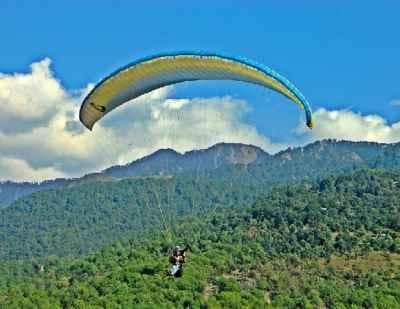
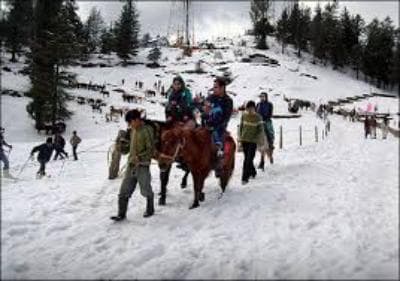
If you want paragliding in Bir, snow play near Manali, a trek in Triund, or a drive into Spiti, check community posts from the current season. Activity windows shift with weather, and operators may pause services during rain, snow, or strong winds. A blog can suggest the activity, but local chatter will tell you if it is actually running this week.
Costs, Transport, and Budget Tips from the Ground
Bloggers who cover Himachal well usually include everyday expenses that matter to Indian travellers. A typical budget stay in smaller towns may start around Rs.1,000-Rs.2,000 per night, while comfortable mid-range stays in popular destinations can be Rs.2,500-Rs.5,000 per night or more in peak season. Meals at local dhabas may cost Rs.150-Rs.300 per person, while cafe meals in tourist hotspots can be higher.
For transport, a private taxi can vary widely based on route, season, and vehicle type. Shared cabs and buses are cheaper, but they may not suit tight itineraries. On routes like Shimla-Kaza, Manali-Spiti, or Dharamshala-Bir, community advice often helps you judge whether public transport will work for your dates or if you should book a cab in advance.
If you are self-driving, follow recent posts about fuel availability, road closures, and parking issues. This matters a lot in remote belts of Lahaul, Kinnaur, and Spiti, where one wrong assumption can cost you hours. Confirm the condition of your vehicle, keep cash ready, and avoid night driving on unfamiliar mountain roads whenever possible.
Frequently Asked Questions
Which Himachal travel blogs are best for first-time visitors?
For first-time visitors, choose blogs that explain basic route planning, weather, and stay options in places like Shimla, Manali, Dharamshala, and Dalhousie. You want articles that compare what each destination feels like in different months, rather than only listing sightseeing spots. First-hand, recent posts are usually the most helpful.
Are online communities better than travel blogs for Himachal planning?
They serve different purposes. Blogs are better for structured planning, while communities are better for current updates, local tips, and real traveller experiences. The smartest approach is to use both together.
How do I know if a Himachal travel tip is outdated?
Check the date, the season mentioned, and whether the writer refers to current road or hotel conditions. If a post talks about specific prices or access without indicating when it was written, it may be outdated. This is especially important for Spiti, Kinnaur, and snow destinations.
Can I rely on social media reels for Himachal trip planning?
Reels are useful for discovering places and seeing how a spot looks in real life. But they often skip road conditions, weather problems, and budget details. Use them for inspiration, not for final decisions.
What should I ask in a Himachal travel group before booking?
Ask about the current road condition, the best route, realistic stay prices, heating, parking, and mobile network. If you are going to remote areas, also ask about fuel stations, ATM access, and the best time to start driving. Clear, specific questions usually get the best answers.
Is it safe to follow advice from strangers in travel communities?
Yes, if you verify it with multiple recent sources. Never base your entire plan on one comment or one post, especially for mountain roads and weather-sensitive routes. Treat community advice as a lead, then cross-check it before booking.
Conclusion
Himachal becomes much easier to plan when you combine trustworthy blogs with active traveller communities. You will make better decisions about routes, seasons, stays, and budget, and you will avoid many of the common surprises that catch unprepared travellers off guard.
If this guide helped you plan smarter for Himachal, share this post with someone organising their next mountain trip.
Planning a Himachal trip?
Tell us your dates and who is travelling. Up to three local travel companies send you their itinerary and price.
Get free quotesDisclaimer: The information in this blog is for general information only. We try to keep it accurate and up to date, but TravelSetu accepts no liability for errors or omissions. If you believe any part of it infringes your rights, please write to info@travelsetu.com.