If you have been dreaming about Himachal but keep hearing conflicting advice, this article is for you. Many first-time travellers from India arrive with the wrong expectations about weather, roads, crowds, budgets and even the kind of trip Himachal actually offers. Here, you will get a clearer, more practical picture so you can plan a smoother holiday, choose the right season and avoid common mistakes.
Why Himachal Gets So Many Travel Myths
Himachal Pradesh is one of India’s most popular mountain destinations, and that popularity comes with a lot of second-hand advice. Some of it is useful, but a lot of it is outdated, exaggerated or based on one bad trip in one season. The state is diverse too: Shimla, Manali, Dharamshala, Dalhousie, Kasol, Kinnaur, Spiti and Tirthan Valley all feel different, so a single rule never fits everywhere.
The best way to plan here is to separate romance from reality. Himachal can be peaceful, affordable and easy to enjoy if you know where to go, when to go and what not to expect.
Myth 1: Himachal Is Only for Honeymooners and Adventure Seekers
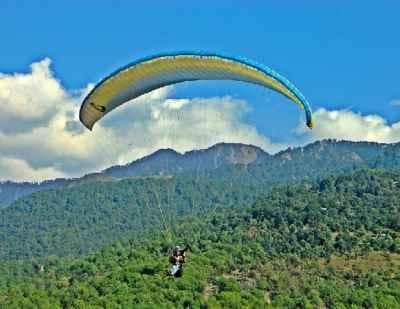
This is one of the most common misconceptions. Yes, Himachal has plenty of honeymoon resorts, paragliding, rafting and trekking, but it is not limited to that. Families, senior travellers, solo travellers, spiritual seekers and road-trippers all find something different here.
If you want a relaxed holiday, Shimla, Dalhousie and Palampur work well for slow sightseeing, toy train rides, tea gardens and comfortable stays. For a more cultural trip, McLeod Ganj and Dharamshala offer monasteries, cafes, Tibetan heritage and easy walks. If your idea of a holiday is scenic drives and quiet villages, Tirthan Valley, Jibhi and parts of Kinnaur are better than crowded tourist towns.
Myth 2: Himachal Is Always Freezing Cold
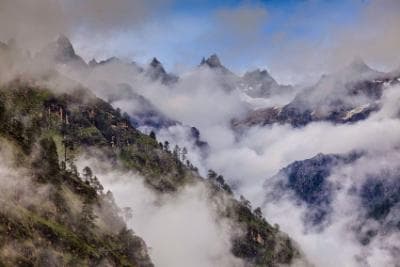
Not true. Himachal has a wide altitude range, so weather changes dramatically from one district to another. Manali and Shimla can feel cool even in summer, but lower-altitude places like Una, Bilaspur and parts of Kangra can be quite warm. In spring and early summer, many travellers are surprised that they still need sunglasses and light cottons during the day.
Even in hill towns, “cold” depends on the month. April to June is usually pleasant in most popular areas, with daytime temperatures often comfortable for sightseeing. December to February can bring proper snow in higher areas, but many lower regions only get chilly nights. If you are heading to places like Spiti, Gulaba, Rohtang-side routes or high passes, the cold can be serious, especially from October onward. Always check the forecast for the exact town you are visiting, not just “Himachal” in general.
Myth 3: You Can Visit Himachal Any Time and Expect the Same Experience
Season matters a lot here. A winter trip to Manali is not the same as a monsoon trip to Chamba or an autumn drive through Kinnaur. Roads, scenery, hotel prices and crowd levels all change by month.
What different months usually feel like
| Season | Best for | Things to watch out for |
|---|---|---|
| March to June | Family trips, sightseeing, pleasant weather | Higher hotel rates and weekend crowds |
| July to September | Green landscapes, quieter stays, budget deals in some areas | Rain, landslides, road delays, route changes |
| October to mid-November | Clear mountain views, photography, road trips | Cold nights in higher regions |
| Late November to February | Snow experience in select destinations | Ice, road closures, slower travel, heating requirements |
If you want the safest and easiest first trip, April to June and October are often the most comfortable windows. If you want snow, be prepared for delays and flexibility.
Myth 4: Himachal Is Too Expensive for Indian Travellers
Himachal can be expensive, but it does not have to be. The cost depends on the town, season, type of transport and how early you book. A weekend in Manali during peak summer will cost much more than a weekday stay in Bir or Tirthan Valley in shoulder season.
For a practical budget, many travellers can manage a trip at around Rs.2,500-Rs.5,500 per person per day if they choose mid-range hotels, shared taxis or self-drive, and local meals. Budget guesthouses or homestays can go lower, while popular resorts in Shimla, Manali and Dharamshala may cost Rs.4,000-Rs.10,000 per night or more in peak periods. Food is manageable too, with local dhabas, cafes and guesthouse kitchens offering a range of options. The trick is to avoid last-minute weekend bookings and high-demand holiday dates.
Where your money usually goes
- Accommodation: budget guesthouses, homestays, mid-range hotels, or premium resorts
- Transport: Volvo buses, private cabs, self-drive cars, local taxis
- Food: simple North Indian meals, cafes, local Himachali dishes
- Activities: ropeways, short treks, paragliding, rafting, monastery visits
Budget control is much easier if you plan one base town and day trips instead of changing hotels every day.
Myth 5: Roads in Himachal Are Unusable for Road Trips
Himachal roads do deserve respect, but calling them impossible is unfair. The main tourist routes to Shimla, Manali, Dharamshala, Dalhousie and Kullu are regularly used by buses, taxis and private vehicles. Many stretches are perfectly manageable in good weather.
The real issue is not whether roads exist, but how conditions change with rain, snow and traffic. In monsoon months, landslides and slow movement can happen on mountain roads, especially on longer routes and cutting sections. In winter, black ice, snow and local closures can affect access to higher areas. If you are driving yourself, start early, avoid night driving on hill roads and keep buffer time in your plan. A 140-160 km drive in Himachal can easily take 5-7 hours depending on traffic and road conditions.
Myth 6: You Need to Be Super Fit to Enjoy Himachal
Not at all. While some treks and remote areas do demand fitness, many popular Himachal destinations are very accessible. You can enjoy Shimla’s Mall Road, Dalhousie’s viewpoints, McLeod Ganj’s cafes, Dharamshala’s monasteries and Bir’s paragliding zone without doing any serious trekking.
Even in places with slopes and steps, you can pace yourself. If you are travelling with children or older family members, choose shorter sightseeing days, stay near the main market area and avoid overloading the itinerary. For example, a 3-4 day trip to Shimla or Dharamshala can be kept comfortable with just 2-3 main outings and relaxed evenings.
Myth 7: Himachal Is Just One Kind of Scenic Hill Station
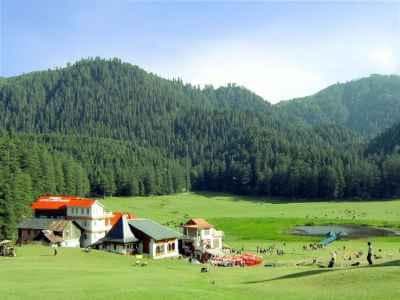
This myth leads many travellers to book the wrong destination. Shimla and Manali are beautiful, but they are not the only versions of Himachal. The state has heritage towns, Buddhist landscapes, orchard valleys, forest villages, tea garden regions, high-altitude deserts and pilgrimage routes.
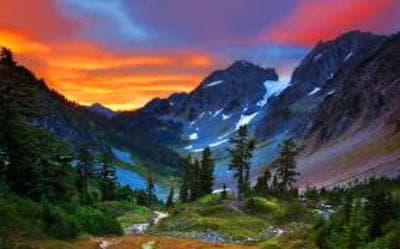
If you want colonial-era charm and a classic hill-station feel, Shimla and Dalhousie fit well. For monasteries, mountain cafes and a more laid-back vibe, try McLeod Ganj or Bir. For orchard stays and quiet nature, look at Tirthan Valley, Jibhi and Pabbar Valley. If you are after dramatic mountain silence and open skies, Spiti and parts of Lahaul offer a very different experience, but they need more planning. Himachal is not one destination; it is a collection of very different travel moods.
Myth 8: Snow Means You Will Definitely See Snow Everywhere
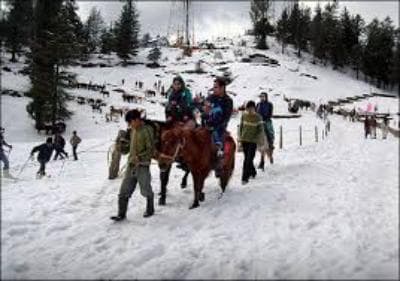
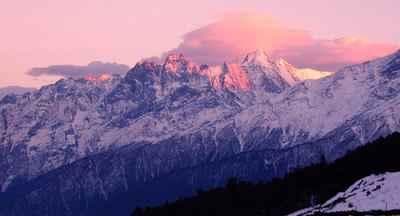
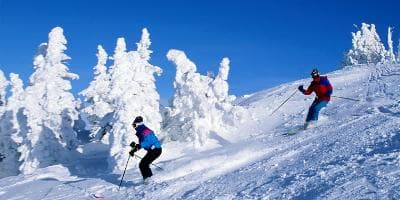
Snow in Himachal is highly location-specific. In a winter month, one town may be covered in snow while another nearby remains dry and cold. Manali, Kufri, Narkanda, Kalpa, Kaza and parts of upper Lahaul can see snow, but there is no guarantee in every part of the state.
If snow is your main goal, do not book blindly. Ask local operators or hotels about actual snow conditions before finalising the trip, and keep some flexibility in your route. Sometimes the best snow experience comes from short drives to higher points rather than expecting the entire town to be white.
Smart Travel Tips for a Better Himachal Trip
A good Himachal trip is usually the result of simple planning, not a complicated itinerary. Keep your expectations tied to the season, the altitude and the pace of mountain travel. Leave enough time between stops so you are not rushing from one town to another.
- Book early for long weekends, summer holidays and snow season.
- Check road status before heading to remote places, especially during monsoon and winter.
- Carry layers, not just winter wear; mountain weather changes fast.
- Keep cash handy for small shops, local taxis and areas with weak network.
- Choose fewer places and spend more time in each one for a calmer trip.
If you are visiting for the first time, a simple route like Shimla-Kufri or Dharamshala-McLeod Ganj is often better than trying to cover too much in one trip. For a longer holiday, you can combine Manali with nearby villages or plan a separate high-altitude trip later.
Frequently Asked Questions
Is Himachal safe for family travel?
Yes, most mainstream tourist areas in Himachal are safe and well-travelled. Family trips work especially well in Shimla, Dharamshala, Dalhousie, Manali and Bir when planned with sensible hotel choices and enough buffer time for mountain roads. As with any hill destination, check weather and road updates before you travel.
What is the best time to visit Himachal for first-timers?
April to June is usually the easiest season for a first trip because the weather is pleasant and roads are generally open. October is another excellent month if you want clearer skies and fewer rain-related disruptions. If you want snow, winter works too, but it needs more flexibility and preparation.
Can I visit Himachal on a budget of Rs.10,000-Rs.15,000?
Yes, for a short trip this is possible if you choose a nearby destination, book early and avoid peak weekends. Budget buses, homestays and local meals can keep costs under control. A longer or more premium trip will naturally cost more, especially in Manali, Shimla and holiday periods.
Should I rely on public transport or book a cab?
Both work, depending on your route and comfort level. HRTC buses and Volvo services are useful for major towns, while cabs are better for flexible sightseeing or remote areas. For short local movement, many travellers use a mix of both to keep costs reasonable.
Do I need permits to travel in Himachal?
For most common tourist towns, you do not need special permits. Some border-adjacent or restricted areas may have rules for Indian and foreign travellers, and these can change. If you are heading to places like Spiti, upper Lahaul or border regions, confirm the latest requirements before travel.
Is monsoon a bad time to visit Himachal?
Not always, but it does need caution. July to September brings lush views and fewer crowds in many areas, yet landslides and road delays can affect travel. If you do travel then, keep extra days in hand and avoid tightly packed itineraries.
Final Thoughts
Himachal is far more flexible and traveller-friendly than many myths suggest. If you match the destination to the season, keep your itinerary realistic and respect mountain conditions, you can enjoy a trip that feels calm, scenic and well worth the effort. The key is not to believe every warning or every oversimplified travel reel.
If this guide helped you see Himachal more clearly, share the post with someone who is planning their next mountain trip.
Planning a Himachal trip?
Tell us your dates and who is travelling. Up to three local travel companies send you their itinerary and price.
Get free quotesDisclaimer: The information in this blog is for general information only. We try to keep it accurate and up to date, but TravelSetu accepts no liability for errors or omissions. If you believe any part of it infringes your rights, please write to info@travelsetu.com.