Kashmir Common Phrases for Travellers
If you are planning a trip to Kashmir, learning a few common phrases can make your journey smoother, warmer, and more personal. Even simple words in Kashmiri and Urdu can help you greet locals, ask for directions, bargain politely in a market, or order kahwa with more confidence.
This guide is for Indian travellers heading to Srinagar, Gulmarg, Pahalgam, Sonamarg, Doodhpathri, or the old lanes around the city centre. You will find easy-to-use phrases, pronunciation help, and practical tips on when to use them so your conversations feel natural rather than awkward.
Why a Few Local Phrases Matter in Kashmir
In Kashmir, many people understand Hindi and a fair amount of English, especially in hotels, restaurants, houseboats, taxi stands, and popular tourist areas. Still, using even a handful of local words can change the tone of your interaction. It shows respect, and locals often respond with more patience and warmth when you make the effort.
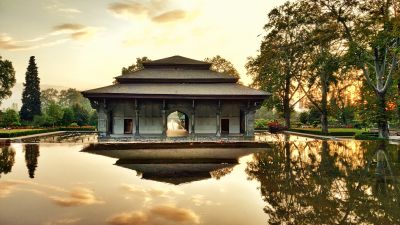
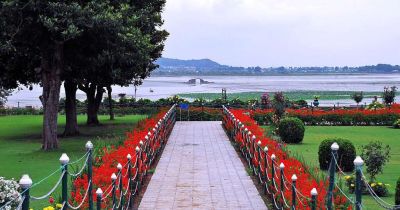
You do not need to speak fluent Kashmiri to get by. A few greetings, polite words, and travel-related phrases are enough for most situations. Think of this as a small travel toolkit you can keep in your pocket while moving between Srinagar’s Mughal gardens, Gulmarg’s gondola point, or the markets around Lal Chowk.
How People Speak in Kashmir: A Simple Language Guide
In everyday travel situations, you will mostly hear a mix of Kashmiri, Urdu, and Hindi. English is common in tourist-facing spaces, but less so in small shops, roadside tea stalls, and remote villages. If you know Hindi, you are already halfway there, because many phrases overlap in a practical way.
Do not worry about perfect pronunciation. Speak slowly, use a smile, and keep your sentences short. Most people will understand your meaning if you try, and they will usually adjust their language to help you.
Pronunciation tips that help a lot
- “Kh” is a throaty sound, as in “Khan” or “khana”.
- “W” is usually soft, like in “waazwan” or “walaykum”.
- “Jee” is a respectful way to say yes or address someone politely.
- “Raa” and “raahe” may sound slightly different from Hindi depending on the speaker, so listen first if you can.
Essential Greetings and Polite Words
These are the first phrases worth learning before you land in Srinagar. They work in hotels, taxis, shops, and neighbourhood conversations. Use them freely; they are simple and widely appreciated.
| English meaning | Common phrase | When to use it |
|---|---|---|
| Hello / Peace be upon you | As-salamu alaykum | General greeting in shops, homes, and with elders |
| And peace be upon you too | Walekum as-salam | Replying to the greeting |
| Thank you | Shukriya | Anytime someone helps you |
| Please | Meherbani / Please | When making a request |
| Yes | Haan / Jee haan | Simple affirmation |
| No | Nahi | Polite refusal |
| Excuse me | Maaf kijiye | To get attention or apologise |
| How are you? | How are you? / Aap kaise hain? | In casual and formal conversations |
A simple “As-salamu alaykum” can open doors more effectively than a long explanation. In Kashmir, respectful greetings are especially useful with elders, hosts, and people you meet in smaller towns or villages.
Phrases for Taxis, Directions, and Local Transport
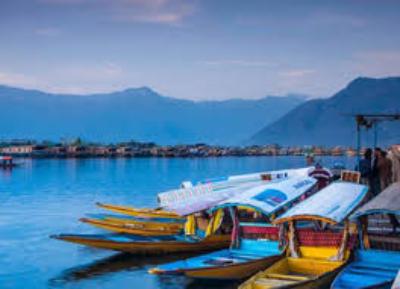
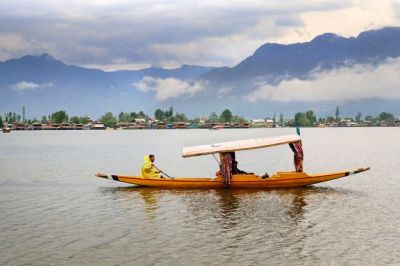
Getting around Kashmir often involves taxis, shared cabs, shikaras, and on some routes, local buses. If you are moving between Srinagar and places like Gulmarg, Pahalgam, or Sonamarg, these phrases will help you manage the basics without confusion.
Useful transport phrases
- Srinagar tak kitna hoga? — How much till Srinagar?
- Gulmarg jaana hai. — I want to go to Gulmarg.
- Pehle rate bataiye. — Please tell me the fare first.
- Yahan ruk jaiye. — Stop here.
- Kitni der lagegi? — How long will it take?
- Ye raasta sahi hai? — Is this the correct route?
- Drop point kahan hai? — Where is the drop point?
- Houseboat tak le chaliye. — Please take me to the houseboat.
When negotiating taxi fares, keep your tone calm and firm. In tourist seasons, rates may change depending on demand, route, and time of day. Ask for the fare in advance and confirm whether tolls, parking, or waiting charges are included.
Phrases for Hotels, Houseboats, and Homestays
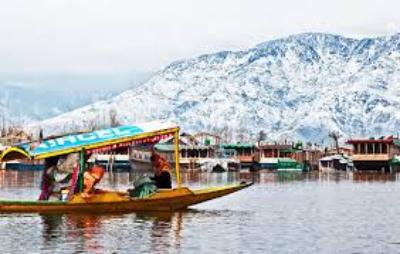
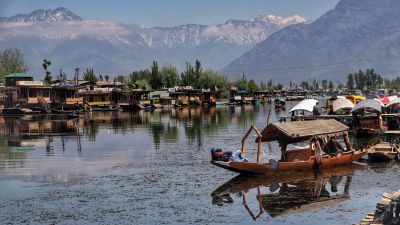
Kashmir is one of the best places in India to stay in a houseboat, especially on Dal Lake or Nigeen Lake, and many travellers also choose family-run stays in Pahalgam, Sonamarg, or the villages around Srinagar. A few polite phrases make check-in, meals, and room requests much easier.
Handy stay-related lines
- Check-in kab hai? — When is check-in?
- Check-out kab hai? — When is check-out?
- Paani garam hai? — Is there hot water?
- Extra blanket mil sakti hai? — Can I get an extra blanket?
- Breakfast mein kya hai? — What is for breakfast?
- Wi-Fi ka password kya hai? — What is the Wi-Fi password?
- Room cleaning kar dijiye. — Please clean the room.
During colder months, especially from late November to February, hot water and extra blankets become more important than they may sound when you are planning from home. Ask politely but clearly. In mountain weather, staff often need a little time to arrange things, so a gentle reminder goes a long way.
Ordering Food and Talking About Kashmiri Cuisine
Food is one of the easiest and most enjoyable places to use local phrases. In Srinagar, you may want to try rogan josh, gushtaba, yakhni, dum aloo, haak, and kahwa. If you are in a restaurant or a local home, these phrases can help you speak more naturally.
Food phrases travellers actually use
- Menu dijiye. — Please give the menu.
- Yeh kya hai? — What is this?
- Ye vegetarian hai? — Is this vegetarian?
- Spicy kam kijiye. — Please make it less spicy.
- Paani laa dijiye. — Please bring water.
- Kahwa ek cup dijiye. — Please give one cup of kahwa.
- Bill dijiye. — Please give the bill.
If you are invited for a traditional meal, you may hear the word waazwan, which refers to a festive Kashmiri multi-course spread. You do not need to use complicated language to appreciate it. A simple “Shukriya, bohot acha tha” — thank you, it was very good — is enough to sound thoughtful and genuine.
Shopping and Bargaining in Markets
From paper-mâché items and pashmina shawls to saffron, dry fruits, walnut wood pieces, and handwoven carpets, Kashmir offers excellent shopping. The key is to bargain politely and avoid sounding dismissive. Many sellers expect negotiation, but they also value respect.
Useful shopping phrases
- Kitna price hai? — How much is it?
- Last price kya hai? — What is the final price?
- Thoda kam kijiye. — Please reduce it a little.
- Ye asli hai? — Is this genuine?
- Doosra colour hai? — Do you have another colour?
- Pack kar dijiye. — Please pack it.
If you are buying saffron in Kashmir, especially around Srinagar markets, ask about quality carefully and compare before deciding. For shawls, ask whether it is pashmina, blended wool, or machine-made. A little patience helps you avoid rushed purchases, which is useful when prices can vary widely from one shop to another.
Emergency and Safety Phrases
Most visits to Kashmir are smooth and enjoyable, but it is always smart to know a few emergency phrases. Save important numbers in your phone before you start sightseeing. Network coverage can be uneven on some routes, especially in higher or more remote areas.
Important phrases to remember
- Mujhe doctor chahiye. — I need a doctor.
- Medical shop kahan hai? — Where is the medical store?
- Mujhe madad chahiye. — I need help.
- Police station kahan hai? — Where is the police station?
- Mujhe ambulance bulaiye. — Please call an ambulance.
- Main raasta bhool gaya/gyi hoon. — I have lost my way.
If you are travelling with children, older parents, or anyone with a health condition, keep the name of your hotel, vehicle number, and local contact saved in both your phone and on paper. This is especially useful when you are moving around large tourist zones or returning late from a day trip.
Useful Cultural Etiquette While Using Phrases
Words matter, but so does delivery. In Kashmir, a soft tone and respectful body language usually work better than over-familiar jokes or loud speech. Address older people with “Jee” when appropriate, and avoid interrupting while they are speaking.
If you are entering a home, houseboat, or mosque area, ask before photographing people or private spaces. A polite question such as “Photo le sakta/sakti hoon?” — may I take a photo? — is better than pointing your camera directly at someone. In small interactions, good manners often matter more than perfect vocabulary.
Sample Mini Conversation You Can Actually Use
Here is a simple exchange you may hear in Srinagar, at a taxi stand, or while asking for directions near Dal Lake:
You: As-salamu alaykum. Gulmarg jaana hai, kitna lagega?
Driver: Walekum salam. Yeh route ke hisaab se price alag ho sakta hai.
You: Pehle rate bataiye, please.
Driver: Theek hai, main bata deta hoon.
You: Shukriya.
You do not need to memorise the whole conversation. Even using the greeting, asking for the fare first, and saying thank you can make the exchange smoother.
Frequently Asked Questions
Do I need to learn Kashmiri to travel in Kashmir?
No, you do not need full Kashmiri to travel comfortably. Hindi works in most tourist situations, and many people also understand basic English. Still, learning a few local greetings and polite phrases can improve your experience and make conversations warmer.
Is Urdu useful in Kashmir for travellers?
Yes, Urdu is very useful, especially in towns, markets, hotels, and transport conversations. Many common phrases are shared with Hindi, so you will recognise a lot of them immediately. Even a few Urdu greetings and polite words can help you sound more considerate.
What is the best phrase to start a conversation politely?
“As-salamu alaykum” is one of the safest and most respectful openers. If you are not comfortable with that, a simple “Jee, madad chahiye” or “Excuse me” also works well. Start softly and people usually respond positively.
Will people mind if I speak Hindi instead of Kashmiri?
Not at all. Hindi is commonly understood in tourist areas such as Srinagar, Gulmarg, Pahalgam, and Sonamarg. If you speak slowly and politely, most people will be happy to help.
How can I ask for a fair price in markets without sounding rude?
Use phrases like “Last price kya hai?” or “Thoda kam kijiye.” These sound normal in local shopping conversations. Keep your tone friendly, compare a few shops, and avoid aggressive bargaining.
Are English phrases enough in Kashmir hotels and houseboats?
In most hotels and houseboats, yes, English is usually enough for basic needs. However, simple Hindi or Urdu phrases can make things easier when you need quick help, especially with local staff, drivers, or shopkeepers. It is a small effort that often leads to better service.
Learning a few Kashmir travel phrases does not just help you communicate; it helps you connect. From a warm greeting in Srinagar to a polite request for kahwa or a fare check before a taxi ride, these small words can make your journey feel more natural and memorable.
If this guide helped you prepare for Kashmir, share it with another traveller planning a trip to the valley.
Disclaimer : The information provided in this blog is for general informational purposes only. While we strive to keep the content accurate and updated, TravelSetu assumes no liability for errors or omissions. If you believe any part of this blog infringes your rights or causes concern, please notify us immediately at info[at]travelsetu[dot]com so that appropriate action can be taken.