If you are planning a trip to Kashmir, the right guidebook or map can save you time, money, and a lot of confusion on the road. This guide is for Indian travellers who want practical help choosing what to buy before or during the trip, so you can move around Srinagar, Gulmarg, Pahalgam, Sonamarg, and the side valleys with more confidence.
In Kashmir, a good map is not just about sightseeing. It helps you understand road conditions, distances, local transport options, lakes, gardens, ski areas, and the stretches where mobile data can be patchy. You will come away with a clear idea of which guidebooks are worth carrying, which maps are actually useful, and what to skip.
Why a Guidebook Still Helps in Kashmir
Many travellers assume a phone is enough, but Kashmir is one of those places where a printed guidebook still earns its place in your bag. Network issues can appear on the way to Gulmarg, around higher reaches near Sonamarg, and on long drives between towns. A guidebook gives you context when you are offline and helps you make better choices about where to stay, what to see, and how long to keep aside for each destination.
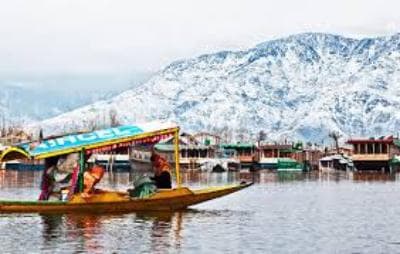
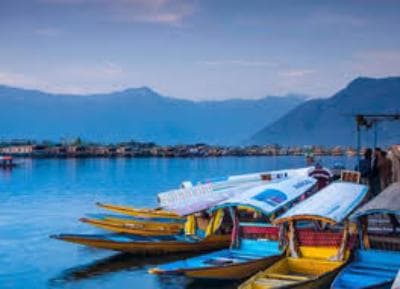
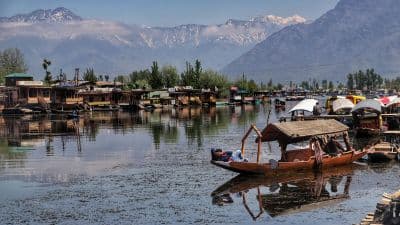
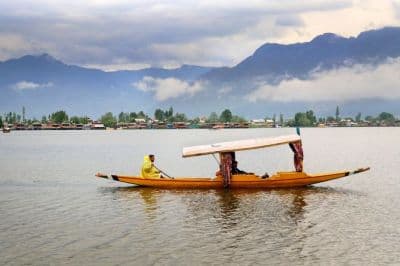
Another advantage is local understanding. Kashmir is not a single-stop destination; it is a set of experiences spread across valleys and towns, each with different weather and road access. A good guidebook can tell you that a winter visit to Gulmarg is very different from a spring trip to Srinagar, or that a day trip to Doodhpathri needs a different mindset than a lazy shikara ride on Dal Lake.
What Kind of Kashmir Guidebook Should You Buy?
Not every travel book is equally useful. Some are rich in history but weak on logistics. Others list attractions but do not tell you how to actually get there. For Kashmir, look for a guidebook that balances culture, routes, maps, food, and practical notes.
1. General travel guides with a Kashmir section
If you are visiting Kashmir as part of a larger North India trip, a general India travel guide can work well, especially if it has a solid Kashmir chapter. These are helpful for first-time travellers who want an overview of Srinagar, Gulmarg, Pahalgam, and Sonamarg without carrying a large stack of books.
2. Region-specific Kashmir books
A Kashmir-focused guidebook is better if your trip is 5-10 days and entirely centred on the valley. These usually give more useful detail about local transport, seasons, walking areas, day trips, and route planning. They are especially helpful if you want to explore beyond the usual circuit and understand places like Yusmarg, Doodhpathri, or the outskirts of Kupwara and Baramulla, depending on travel conditions.
3. Cultural and historical reads
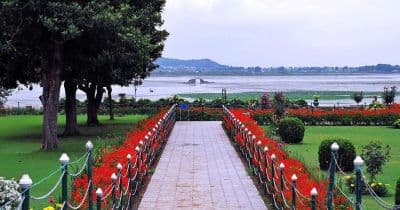
If you enjoy context, consider a book on Kashmir’s history, art, cuisine, gardens, and traditional crafts. This is not the book you will use for navigation, but it adds depth to your journey. It can be particularly rewarding if you plan to spend time in Srinagar and want to understand the old city, heritage mosques, Mughal gardens, and local handicraft culture.
The Maps That Are Actually Worth Carrying
Maps for Kashmir should do more than show roads. They should help you compare distances, understand altitude changes, and identify the best base for each part of the trip. Since road travel can be slow in mountain areas, a map that shows realistic travel lines is far more valuable than a decorative one.
| Map type | Best for | Why it helps | Indicative cost |
|---|---|---|---|
| Fold-out road map | Self-drive travellers, long road trips | Shows towns, road links, and rough distances even when the phone signal drops | Rs.200-Rs.600 |
| District or valley map | Itinerary planning | Helps you understand Srinagar, Anantnag, Baramulla, Ganderbal, and neighbouring routes | Rs.150-Rs.500 |
| Tourist map of Srinagar | City sightseeing | Useful for Dal Lake, Nigeen, Mughal gardens, old city areas, and shikara routes | Rs.100-Rs.300 |
| Offline map app printout | Backup navigation | Handy for hotel-to-hotel movement and quick reference during uncertain network coverage | Usually free if printed yourself |
If you are buying only one map, choose a road map that covers the whole Kashmir Valley and nearby approach roads. If you are spending more time in Srinagar, add a detailed city map as well. The combination is much better than relying on a single generic tourist leaflet.
Best Use Cases: Which Traveller Needs What?
Your travel style should decide what you buy. A couple on a 4-day holiday needs something different from a family with kids, or a solo traveller trying to move around independently.
- First-time visitors: Buy one concise guidebook and one Kashmir road map. That is enough for Srinagar, Gulmarg, and Pahalgam.
- Families: Choose a guidebook with practical notes on weather, local transport, and time needed for each attraction. A city map of Srinagar is useful if you are staying near Dal Lake or Lal Chowk.
- Photographers: Look for books that mention sunrise and sunset points, garden seasons, lake circuits, and nearby drives.
- Winter travellers: A route-focused map matters more than a sightseeing-heavy book, because snow can change access, timing, and visibility quickly.
- Slow travellers: Choose a richer guidebook with culture, food, and history sections, especially if you plan to spend several days in Srinagar itself.
Where to Buy Guidebooks and Maps for Kashmir
You can buy these before you leave home or after you reach Kashmir. Buying in advance is safer if you want to compare options and avoid rushed purchases at tourist counters. Still, local shops can be convenient, especially in Srinagar around busy commercial areas such as Lal Chowk and Residency Road, where travel books and maps are more likely to be available.
Bookshops in major Indian cities sometimes stock India travel guides that include Kashmir. Online marketplaces are also useful for pre-trip purchase, but check the edition year before ordering. For Kashmir specifically, you want the latest practical details, not an outdated book with old road notes or closed attraction timings.
If you buy after arrival, inspect the paper quality and the map scale. Some inexpensive tourist maps are too vague to be useful beyond a quick glance. It is better to spend Rs.300-Rs.700 on something usable than to buy a cheap map that cannot guide you beyond the first stop.
Digital Maps vs Printed Maps in Kashmir
Digital maps are excellent for live navigation, traffic updates, and finding hotels or cafes. But in Kashmir, they should be treated as one layer of planning, not the only one. Weather, road checks, and patchy connectivity can make a printed backup very valuable.
When digital maps work best
Use your phone map when you are moving inside Srinagar, checking hotel locations, or looking up nearby food options. It is also useful for estimating travel time between major places such as Srinagar and Pahalgam, which typically takes several hours by road depending on traffic and stops. Keep downloads ready before you travel.
When printed maps are better
Use printed maps for longer drives, early-morning departures, and backup planning when you cannot rely on data. They are especially useful if you are travelling with a driver and want to understand the route instead of leaving everything to memory. A printed map also helps when you want to compare side routes and decide where to stop.
What to Look for Before You Buy
Before buying any guidebook or map for Kashmir, check a few practical things. The right purchase should save you trouble, not add weight to your bag.
- Recent edition: Roads, permits, hotel areas, and sightseeing access can change. Try to get the newest edition available.
- Clear route coverage: The map should show Srinagar, Gulmarg, Pahalgam, Sonamarg, and the connecting roads clearly.
- Local detail: Good books mention Dal Lake, Nigeen Lake, Mughal Gardens, Hazratbal, old Srinagar lanes, and popular day trips.
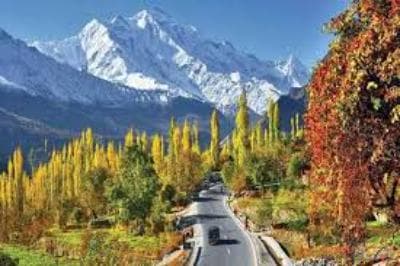
- Weather and season notes: Kashmir changes a lot by month. A useful guide explains spring flowers, summer traffic, autumn foliage, and winter snow.
- Readable design: Tiny fonts and unclear symbols make a map frustrating to use on the road.
Suggested Budget for Books and Maps
You do not need to overspend, but quality matters. A traveller planning Kashmir on a sensible budget can keep aside around Rs.500-Rs.1,500 for one good guidebook and one or two maps. If you want a richer collection, such as a detailed guidebook plus a decorative atlas-style map and a city map, the total may come to Rs.1,500-Rs.3,000.
If you are already carrying a heavy itinerary guide from another region, do not duplicate too much. Buy only what fills a gap. For most travellers, one strong Kashmir-specific book and one road map are enough.
How to Use Your Guidebook on the Trip
The best way to use a guidebook in Kashmir is not to read it cover to cover in the hotel room. Use it as a planning companion. Read the area you are visiting the night before, mark the distances, and note alternative stops in case weather slows you down.
For example, if you are spending three nights in Srinagar, keep track of one heritage day, one lake and garden day, and one short excursion day. If you are heading to Gulmarg, note the difference between the town area and the higher reaches, and keep some buffer time in case the road is slow. For Pahalgam, remember that the drive itself is part of the day, so do not overpack your sightseeing plan.
Frequently Asked Questions
Is a guidebook necessary if I already use Google Maps?
Google Maps is useful, but it is not enough on its own for Kashmir. Network can be uneven on certain stretches, and a guidebook gives you the larger picture, not just turn-by-turn directions. It also helps you plan your days better instead of just reacting to the road.
Should I buy a guidebook before reaching Kashmir or after arrival?
Buy the main guidebook before you travel if you can, especially if you want time to compare editions and read up on the route. You can buy a local map after arrival if needed, but relying only on last-minute purchases may leave you with limited choices. Before booking, confirm that the book is current enough for your trip.
What is the best type of map for a Kashmir road trip?
A fold-out road map with the full valley and major town links is the best starting point. If you are spending time in Srinagar, add a detailed city map as a second layer. This combination is practical for family trips, self-drive travel, and mixed sightseeing itineraries.
Are expensive guidebooks better for Kashmir?
Not always. The best book is the one that gives you current, clear, and relevant information. A moderately priced guidebook with good maps and practical notes is often more useful than a glossy but outdated one.
Can I manage Kashmir without any printed material?
Yes, many travellers do, but you may find it less convenient. Printed maps and a compact guidebook are especially helpful if you plan multiple day trips, travel in winter, or want to understand the geography better. Think of them as backup tools that make the journey smoother.
What should I avoid buying?
Avoid old editions, vague tourist pamphlets, and maps that do not show inter-town roads properly. Also skip oversized coffee-table books if your main need is navigation. For a practical trip, utility matters more than appearance.
Conclusion
If Kashmir is on your itinerary, a good guidebook and a reliable map will make your trip calmer and better organised. Buy for usefulness first: one clear guidebook, one road map, and a backup digital map on your phone. That small preparation can make a big difference once you are moving between Srinagar, Gulmarg, Pahalgam, and the other valleys.
If this guide helped you plan better, share the post with another traveller heading to Kashmir.
Planning a Kashmir trip?
Tell us your dates and who is travelling. Up to three local travel companies send you their itinerary and price.
Get free quotesDisclaimer: The information in this blog is for general information only. We try to keep it accurate and up to date, but TravelSetu accepts no liability for errors or omissions. If you believe any part of it infringes your rights, please write to info@travelsetu.com.