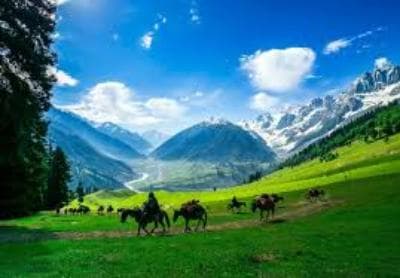
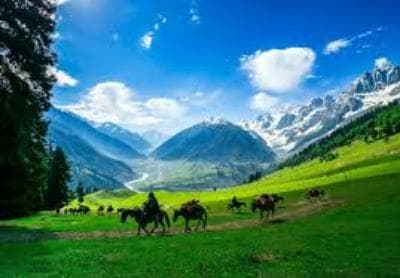
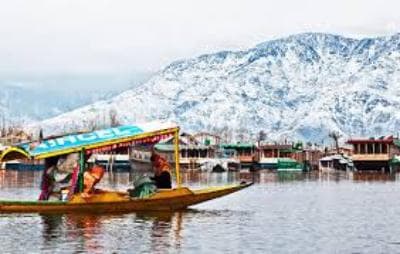
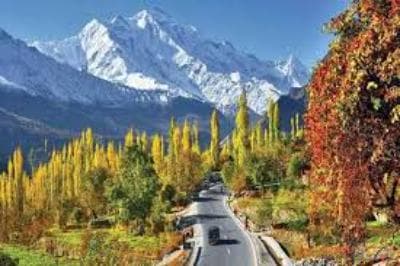
If you are planning a Kashmir trip, a little preparation goes a long way. This checklist is for Indian travellers who want to avoid last-minute stress, pack correctly, budget sensibly, and arrive ready for Srinagar, Gulmarg, Pahalgam, Sonmarg, or the quieter corners of the valley.
Use this guide before you leave home, and you will come into Kashmir with the right clothes, documents, transport plan, and realistic expectations for the season you are visiting.
1) Decide the right time to go
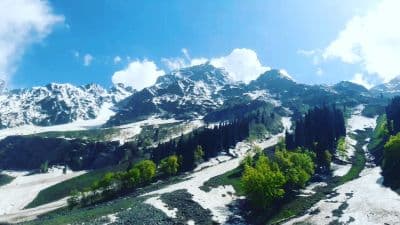
The first item on your Kashmir trip planning checklist is timing. The valley changes a lot through the year, and your packing, budget, and itinerary should match the month you travel. Spring from March to May is mild and colourful, summer from June to August is the busiest period, autumn from September to November brings crisp air and golden chinar leaves, and winter from December to February is best if you want snow, skiing, and colder conditions.
If you are planning a family holiday, April to June is often the easiest window because roads are generally more comfortable and sightseeing is simpler. If you are going specifically for snow in Gulmarg or Sonamarg, keep in mind that conditions can vary sharply by week, so confirm weather and road status close to departure.
2) Lock your route and number of days
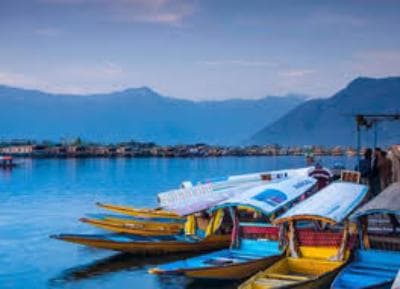
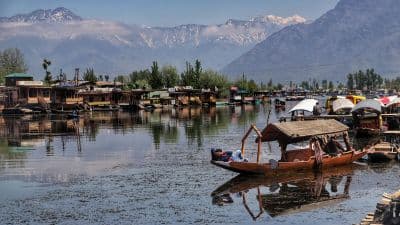
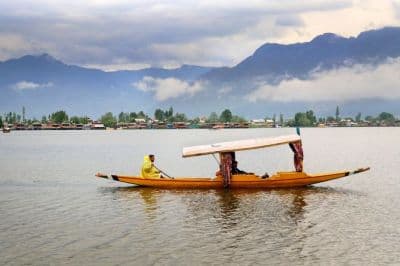
Do not book Kashmir as one vague destination. Plan the actual places you want to cover and the order in which you will visit them. A practical first-timer itinerary is usually 4 to 7 nights: Srinagar for 2 nights, Gulmarg for 1 night, Pahalgam for 1 to 2 nights, and one extra night in Srinagar if you want time for Dal Lake, gardens, shopping, or a relaxed shikara ride.
Distances are not huge, but mountain travel takes time. Srinagar to Gulmarg is roughly 50 km and can take around 2 to 3 hours depending on traffic and weather. Srinagar to Pahalgam is around 90 km and often takes 2.5 to 4 hours. Srinagar to Sonamarg is roughly 80 km and may take 2.5 to 3.5 hours. When you plan your days, always leave buffer time for traffic, road checks, photography stops, and weather delays.
3) Sort out documents and ID details
Carry valid government ID for every traveller. For adults, Aadhaar, PAN, voter ID, passport, or driving licence are commonly accepted for hotel check-in and transport verification, but it is wise to carry the same ID used in your ticket bookings. For children, carry school ID if available and a birth certificate copy or Aadhaar copy where applicable.
If you are travelling by air, keep your flight tickets, hotel vouchers, and driver details in both digital and printed form. If you are carrying medicines, keep the prescription with you, especially for regular medication. Rules and verification procedures can change, so confirm any special requirements before you travel, particularly if you are doing a longer road trip or travelling during periods of heightened security checks.
4) Build a realistic budget
Kashmir can suit a range of budgets, but prices swing with season. A sensible mid-range plan for a couple may look different in April than in peak winter or during heavy demand in May and June. Instead of booking everything at the last minute, decide what you want to spend on hotels, local transport, food, and paid activities like a shikara ride, pony ride, or gondola tickets in Gulmarg.
| Expense | Indicative range | Notes |
|---|---|---|
| Budget hotel / guesthouse | Rs.1,500-Rs.3,000 per night | Basic rooms; prices rise in peak season |
| Mid-range hotel / houseboat | Rs.3,500-Rs.8,000 per night | Good for family stays and comfort |
| Private cab for sightseeing | Rs.2,500-Rs.5,500 per day | Depends on route, vehicle, and season |
| Meals for one day | Rs.600-Rs.1,500 per person | Higher in tourist-heavy zones |
| Shikara ride | Rs.700-Rs.1,500 | Can vary by duration and negotiation |
These are only indicative figures, and rates can change quickly. Confirm current prices before booking, especially if you are travelling during summer holidays, New Year, or snowfall season.
5) Book transport before you leave
For most travellers, the simplest way to reach Kashmir is by flying into Srinagar. Flight availability and pricing can change a lot, so book early if you are travelling during school holidays or long weekends. If you are coming by train, the usual approach is to reach Jammu and then continue by road or air to Srinagar, but road travel from Jammu to the valley can be long and weather dependent.
Within Kashmir, pre-book a reliable cab for the full itinerary if you are covering multiple towns. Local transport is not always convenient for families with luggage or older travellers, and mobile network coverage can be patchy in some stretches. If your plan includes Gulmarg, Pahalgam, or Sonamarg, confirm whether your cab can legally take you all the way to the sightseeing point or whether local vehicles are required at certain stretches.
6) Pack for layered mountain weather
Kashmir packing is not about heavy winter gear alone. Even in summer, evenings can feel cool, and in shoulder seasons the weather can change during the same day. Packing layers is more useful than carrying bulky clothing you may not need.
Clothing to carry
- Thermals or warm innerwear if you are going in October to March
- Light fleece or sweater for evenings in spring and summer
- Woollen socks, gloves, and a cap for colder months
- Waterproof jacket or windcheater
- Comfortable walking shoes with grip
- One set of modest clothing for mosque visits or local homes
Useful travel essentials
- Power bank and charging cables
- Basic medicines for fever, acidity, headache, loose motion, and motion sickness
- Sunscreen, lip balm, and moisturiser
- Umbrella or compact rain cover if travelling in monsoon-prone months
- Small torch, especially for early winter evenings
If you plan to visit snow areas in Gulmarg or during winter in Pahalgam and Sonamarg, carry proper waterproof shoes and extra socks. For shikara rides, a light jacket is enough most of the year, but the wind on Dal Lake can be colder than expected.
7) Plan for health, altitude, and comfort
Most major tourist places in Kashmir are not extreme-altitude destinations, but some travellers still feel the effect of cold weather, long drives, and physical exertion in snow. If you have asthma, blood pressure issues, or motion sickness, talk to your doctor before travel and carry enough medication for the full trip plus a few extra days.
Drink enough water, especially if you are spending long hours on the road. Keep snacks handy for children and elderly travellers because lunch stops may not always match your preferred timing. If you are visiting in winter, walk carefully on icy surfaces around hotel entrances, market lanes, and lakeside areas.
8) Understand local transport and sightseeing rules
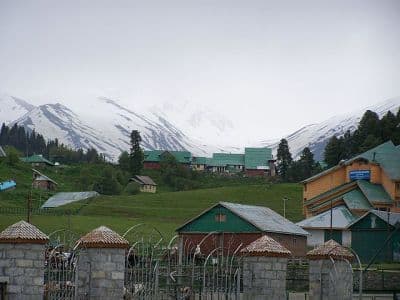
Not every sightseeing location in Kashmir works the same way. In Gulmarg, the gondola is a major attraction, but ticket availability, weather closures, and operational timings can change. In some areas, local unions or vehicle arrangements may apply, so it is smart to check how far your hired cab can go and where you may need to switch vehicles.
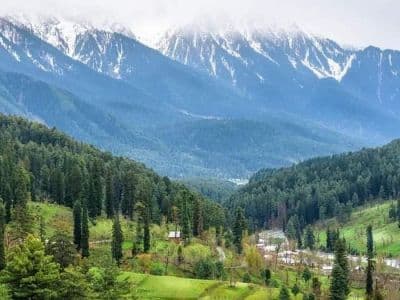
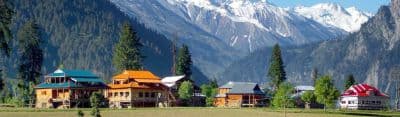
For Sonamarg, road conditions can affect how much sightseeing is actually possible in a day. For Pahalgam, add time for Betaab Valley, Aru Valley, and local market visits if conditions allow. If you want a slow holiday with walking, photography, and cafe stops, do not overpack your itinerary. Kashmir is best enjoyed when you leave space in the day for delays and detours.
9) Prepare for payments, connectivity, and shopping
Carry some cash even if you mostly use digital payments. Mobile internet can be inconsistent in certain stretches and on some days, so having cash for small purchases, tips, and backup transport is useful. Keep small denominations for tea stalls, parking, and local shopping.
For shopping, decide your budget before entering the markets. Srinagar is known for dry fruits, saffron, walnuts, handmade carpets, pashmina, papier-mâché items, and wooden crafts. Buy only from trusted sellers and ask clear questions about quality, origin, and return policy. Prices vary a lot, and it helps to compare before you decide.
10) Final checklist to tick off before departure
Use this quick pre-departure list the night before you leave:
- Flight, train, or road transport confirmed
- Hotel and cab bookings saved offline
- Valid ID copies packed separately
- Weather forecast checked for Srinagar and your other stops
- Warm clothing and rain protection packed
- Medicines and prescriptions kept in hand baggage
- Cash plus backup payment method arranged
- Power bank, charger, and phone fully ready
- Emergency contacts shared with family
- Buffer time kept for road travel and check-ins
This simple list saves you from the most common mistakes: underpacking, overplanning, and assuming the weather will stay the same throughout your stay.
Frequently Asked Questions
How many days are enough for a Kashmir trip?
For a first visit, 4 to 7 days is ideal. That gives you enough time for Srinagar, Gulmarg, and Pahalgam without turning the trip into a rushed transfer schedule. If you want a slower holiday with more shopping, houseboat time, or snow activities, a week works much better.
What is the best month to visit Kashmir?
April to June is great for pleasant weather and easy sightseeing, while September to November is lovely if you want clearer air and autumn colours. December to February is best for snow, but you should be ready for cold weather and possible road or weather-related delays. The best month depends on what you want from the trip.
Do I need special permits for Kashmir tourism?
Most Indian tourists do not need a special permit for standard sightseeing in major tourist areas, but rules can change depending on your route and current conditions. Always confirm before travel if you are planning any unusual route, high-security zone access, or restricted-area visit. Your hotel or tour operator should also brief you if anything specific applies.
Should I book a package or plan independently?
If you want convenience, a package can help with hotels, cab coordination, and day-wise planning. Independent travel works well too if you are comfortable comparing hotel rates, arranging transport, and handling local logistics. For families, senior travellers, or first-timers, a well-planned package often reduces stress.
Is snowfall guaranteed in winter?
No, snowfall cannot be guaranteed on your exact travel dates. Some winters bring heavy snow early, while others are patchier, and conditions can differ between Srinagar, Gulmarg, Pahalgam, and Sonamarg. Check weather forecasts close to departure and keep your itinerary flexible if snow is important to your trip.
What should I not forget for a Kashmir holiday?
Do not forget warm layers, valid ID, medicines, cash, and a realistic plan for road travel. Many travellers also forget to confirm cab timings and hotel check-in details in advance, which can create avoidable delays. A little preparation makes the trip much smoother.
Kashmir rewards travellers who plan carefully and travel lightly in their minds. If you tick off the basics before departure, you can spend more time enjoying Dal Lake, mountain drives, local food, and the calm rhythm of the valley.
If you found this checklist useful, share this post with someone planning a Kashmir trip.
Planning a Kashmir trip?
Tell us your dates and who is travelling. Up to three local travel companies send you their itinerary and price.
Get free quotesDisclaimer: The information in this blog is for general information only. We try to keep it accurate and up to date, but TravelSetu accepts no liability for errors or omissions. If you believe any part of it infringes your rights, please write to info@travelsetu.com.