Kashmir Trip Regrets: What Travellers Wish They Knew
If you are planning a Kashmir holiday, this guide is for you. It focuses on the things travellers most often regret after their trip, so you can avoid rushed bookings, unrealistic expectations, and money leaks that are easy to prevent. By the end, you will know how to plan Kashmir smartly, pack better, budget realistically, and choose the right places and season for your style of travel.
Why Kashmir Trips Feel Magical and Yet Catch People Off Guard
Kashmir is one of those destinations where the scenery can be unforgettable, but the experience depends heavily on timing, logistics, and your expectations. Many first-time visitors assume it is a simple hill holiday like Manali or Mussoorie, but Kashmir has its own rhythm. Weather can shift quickly, road travel takes longer than maps suggest, and a few popular experiences require advance planning if you want them to be smooth and worth the money.
The biggest regrets usually come from two things: not understanding the season, and not planning around local travel realities. If you sort those out early, your trip becomes much more relaxed and enjoyable.
Regret 1: Booking Without Checking the Best Month for Your Trip Style
One of the most common Kashmir trip regrets is visiting in the wrong month for what you actually want. Many travellers book based on photos they have seen online, not on the season that produced those photos.
How the seasons really feel
- March to April: Spring begins, gardens in Srinagar start opening up, and temperatures are pleasant, though evenings can still be cold.
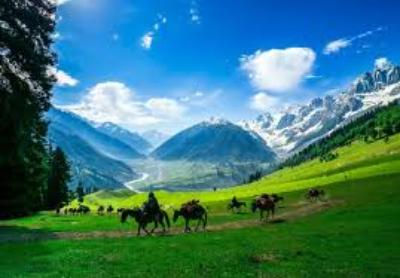
- May to June: Peak leisure season for families and couples. Green valleys, clear sightseeing weather, and busy roads.
- July to August: Monsoon is lighter than in many parts of India, but humidity and occasional rain can affect mountain drives.
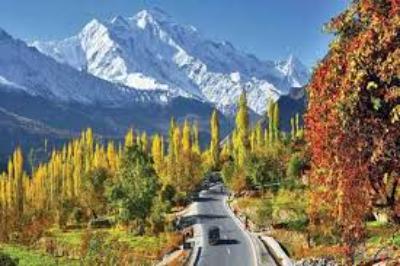
- September to October: Excellent for clear skies, fewer crowds, and autumn colours in parts of the valley.
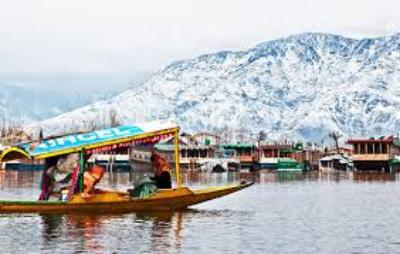
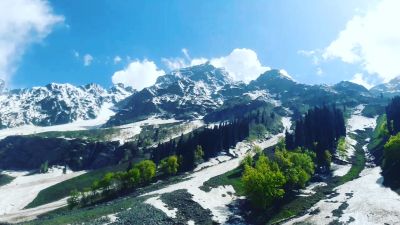
- November to February: Best for snow in places like Gulmarg, but some routes, activities, and comfort levels become weather-dependent.
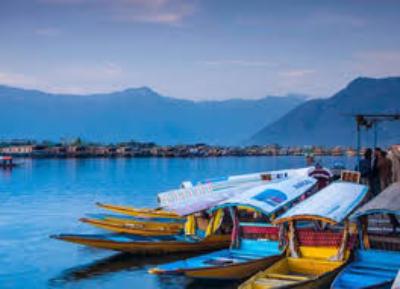
If you want shikara rides, gardens, and easy sightseeing, March to June or September to October usually works well. If you want snow, December to February is the better window, but you should be prepared for delays and colder conditions. Confirm local weather and road conditions before booking, especially in winter.
Regret 2: Overpacking the Itinerary and Underestimating Road Time
Travellers often try to cover Srinagar, Gulmarg, Pahalgam, Sonamarg, and Doodhpathri in one short trip. That sounds efficient on paper, but in Kashmir, travel is not always fast. A mountain road, a traffic slowdown, or a weather check can add hours to a day.
What a realistic trip looks like
For a comfortable first visit, plan at least 5 to 7 days. A balanced itinerary usually looks like this:
- Srinagar: 2 nights
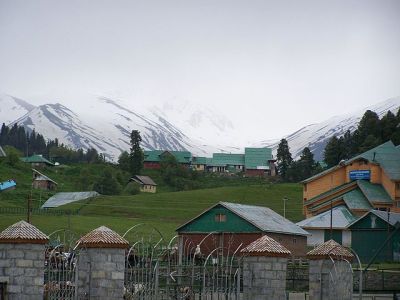
- Gulmarg: 1 night, especially if you want an early gondola ride or snow time
- Pahalgam: 1 to 2 nights for relaxed sightseeing
- Extra buffer: 1 day for Srinagar sightseeing, shopping, or weather changes
Srinagar to Gulmarg is roughly 50 km and can take about 2 to 3 hours depending on traffic and road conditions. Srinagar to Pahalgam is around 90 km and often takes 2.5 to 4 hours. These are not bad distances, but they are not quick city drives either. Build in slack time so your trip does not feel like a race.
Regret 3: Waiting Too Long to Book Houseboats, Popular Hotels, and Activities
Another common regret is assuming good properties will always be available at the last minute. In Kashmir, the best-known stays, especially around Dal Lake and prime viewpoints, can fill up quickly during school holidays, long weekends, and peak seasons. The same applies to certain experiences like gondola rides, pony rides in tourist zones, and private cab bookings during busy months.
What to book early
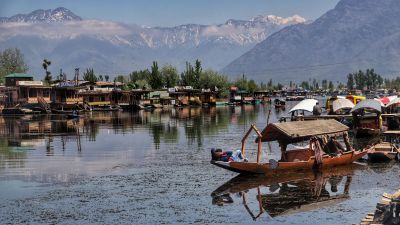
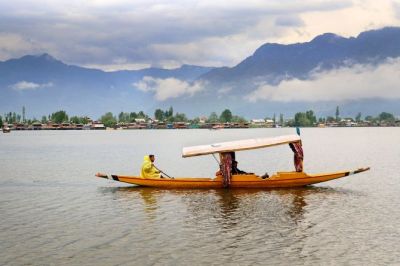
- Houseboats in Srinagar: Good for a one-night experience, especially if you want Dal Lake views and a different stay style.
- Hotels in Gulmarg: Limited inventory, especially in snow season.
- Private cabs: Useful if you are travelling with family, seniors, or children.
- Shikara rides and local experiences: Usually easy to arrange, but prices and quality vary.
As a rough planning range, decent mid-range hotels in Srinagar can cost around ?3,000-?7,000 per night, while better houseboats may range from ?4,000-?12,000 per night depending on season and inclusions. In Gulmarg, rates can move higher in peak snow months. Always confirm exact pricing before booking, since Kashmir rates fluctuate a lot by date.
Regret 4: Not Budgeting for Permits, Gondola Tickets, and On-Ground Extras
Travellers sometimes budget only for flights, hotel, and food, then get surprised by the extras. In Kashmir, a lot of the memorable experiences are either paid separately or involve local services that add up quickly.
| Expense | Typical range | Notes |
|---|---|---|
| Shikara ride | ?500-?1,500 | Depends on duration and bargaining; confirm before boarding |
| Gulmarg gondola | ?700-?1,800+ per phase | Prices and phases vary; book through official channels when possible |
| Private cab | ?2,500-?6,500 per day | May vary by route, season, and vehicle type |
| Pony rides / local transport | ?800-?3,000+ | Ask for full price before starting any ride |
| Food for two | ?800-?2,500 per day | Higher if you dine in premium restaurants or use hotel dining often |
Also remember that some travellers choose guided sightseeing for comfort, especially if they want to avoid negotiating on the spot. That can be worthwhile, but compare the package inclusions carefully. Ask what is covered, what is not, and whether tolls, parking, or driver allowances are separate.
Regret 5: Dressing for Instagram, Not for the Weather
Another regret that comes up often is underpacking for cold conditions. Kashmir can look sunny in the day and still feel quite cold in the morning and evening, especially from October through March. Even in summer, Gulmarg and high-altitude spots can be much cooler than Srinagar.
What to pack that people usually forget
- Thermal innerwear if you are travelling in winter or shoulder season
- A proper windproof jacket, not just a fashion layer
- Comfortable waterproof shoes with grip
- Woollen cap, gloves, and socks
- Basic medicines for cold, motion sickness, and indigestion
- Power bank and offline maps
If you are visiting in snowy months, carry a second pair of socks and a backup pair of shoes if possible. Wet feet can ruin a good day fast. Dress in layers so you can adjust to changing temperatures during the same outing.
Regret 6: Assuming Every Famous Activity Is Worth the Price
In Kashmir, certain activities get heavily promoted, but not every add-on is essential. Many travellers later say they spent too much on things they did because everyone around them was doing it, not because they truly wanted it.
How to choose wisely
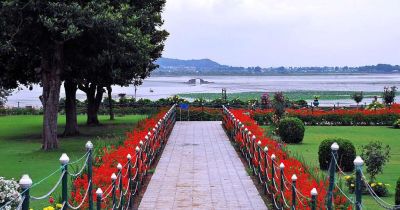
Ask yourself what you actually enjoy. If you love views and quiet time, a slower day in Srinagar with a shikara ride, a Mughal garden visit, and an evening by the lake may be better than a rushed sightseeing circuit. If you are travelling with children or first-time mountain travellers, a gentler itinerary often feels better than packing in too many stops.
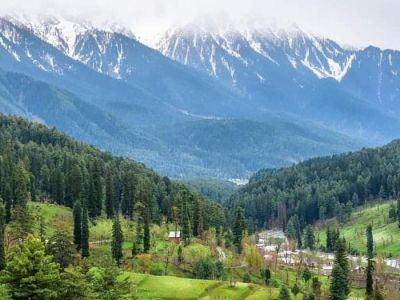
In Gulmarg, the gondola is popular for good reason, but only if visibility is decent and you are comfortable with the higher altitude. In Pahalgam, the appeal is often the river, meadow views, and relaxed pace rather than trying to tick off too many point-to-point activities.
Regret 7: Not Respecting Local Logistics and Etiquette
A smooth Kashmir trip also depends on local awareness. Some travellers get frustrated because they expect everything to work like a big metro city, but Kashmir travel has its own constraints and customs. If you stay patient and respectful, you usually have a much better experience.
Simple habits that help
- Keep cash handy for small purchases and local services, though cards and digital payments are increasingly accepted in many places.
- Confirm rates before using a shikara, pony, or porter.
- Do not assume every road or attraction will operate exactly as scheduled in bad weather.
- Dress modestly in towns and at religious places.
- Ask before photographing people or private spaces.
These are small things, but they make a difference. Locals are usually welcoming when travellers are polite, clear about expectations, and not in a hurry.
A Simple Kashmir Planning Checklist
If you want to avoid the most common regrets, keep this checklist in mind before you leave:
- Choose your season based on what you want: snow, greenery, or calmer weather.
- Plan a 5 to 7 day trip instead of trying to see everything in 3 days.
- Book Srinagar, Gulmarg, and houseboat stays early if travelling in peak months.
- Budget for cabs, gondola rides, and local experiences separately.
- Pack warm layers even in shoulder season.
- Keep one buffer day if your trip includes winter travel.
Frequently Asked Questions
What is the biggest regret people have on a Kashmir trip?
The biggest regret is usually poor timing or poor planning. People either visit in a month that does not suit their expectations, or they try to cover too many places in too little time. Kashmir is much more enjoyable when you travel at a slower pace.
How many days are enough for Kashmir?
For a first trip, 5 to 7 days is a good range. That gives you time for Srinagar, Gulmarg, and Pahalgam without feeling rushed. If you have less time, it is better to do fewer places well rather than add more stops and spend the whole trip in transit.
Is Kashmir expensive?
It can be moderate or expensive depending on your season and comfort level. Mid-range trips may work within ?18,000-?35,000 per person for a few days excluding flights, but prices vary a lot by hotel category, cab use, and travel dates. Peak season, especially winter in Gulmarg and summer holidays, pushes rates up.
Should I stay in a houseboat in Srinagar?
Yes, if you want the experience and are happy with a more traditional stay. A houseboat can be a memorable one-night choice, especially on Dal Lake or Nigeen Lake. Just check cleanliness, heating, food quality, and access arrangements before you book.
Is winter a good time to visit Kashmir?
Winter is a good time if you want snow and do not mind cold temperatures or possible travel delays. Gulmarg is especially popular then, but roads and outdoor plans can be affected by weather. If comfort and easy sightseeing matter more to you, spring or autumn may be a better choice.
Do I need to pre-book the Gulmarg gondola?
It is wise to check current booking rules and book through the official or authorised process if available. Availability can be tight during busy periods, and same-day plans may not always work out the way you want. Always confirm current ticketing rules before your trip.
Conclusion
Kashmir is rewarding, but it pays to travel with realistic expectations. If you pick the right season, keep your itinerary sensible, book the key parts early, and pack for the weather, you will avoid most of the regrets that other travellers talk about later. The result is a smoother, richer trip with more time to enjoy the lakes, valleys, and mountain views.
If this helped you plan better, share the post with someone preparing for a Kashmir trip.
Disclaimer : The information provided in this blog is for general informational purposes only. While we strive to keep the content accurate and updated, TravelSetu assumes no liability for errors or omissions. If you believe any part of this blog infringes your rights or causes concern, please notify us immediately at info[at]travelsetu[dot]com so that appropriate action can be taken.