Kashmir Winter Road Trip Contingency Planning
If you are planning a winter road trip in Kashmir, the joy is real but so is the uncertainty. Snowfall, black ice, landslides, temporary road closures and slow traffic can change your plans in a few hours, so the smartest trip is the one with a backup plan built in from the start.
This guide is for Indian travellers who want to drive through Kashmir in winter without turning the trip into a scramble. You will come away with practical ways to plan routes, stay flexible, budget for delays, and handle common problems on roads around Srinagar, Gulmarg, Pahalgam, Sonamarg and the Jammu-Srinagar highway.
Start with the right winter mindset
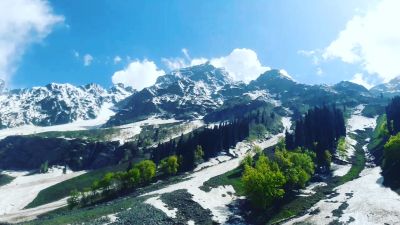
A winter road trip in Kashmir is not about fixed timings. It is about short driving windows, early starts and the willingness to stop if conditions worsen. In December to February, fresh snow can look beautiful in the morning and turn into slush or packed ice by afternoon, especially on shaded stretches and steep climbs.
Build your plan around fewer places rather than more. A 5- to 7-day trip is better spent covering Srinagar, Gulmarg and Pahalgam calmly than trying to squeeze in every valley and viewpoint. If weather is stable, you can add Sonamarg or a local day drive; if not, your schedule still works.
Choose a route that gives you room to adjust
For most travellers, the main road access into Kashmir is via the Jammu-Srinagar highway. This is the key route to watch because it is also the one most affected by snowfall, landslides or traffic restrictions in winter. Travel times can vary sharply; a run that looks like 8-10 hours on paper can easily stretch much longer if there is slow movement near Banihal, Ramban or Qazigund.
Within Kashmir, plan short intercity drives. Srinagar to Gulmarg is roughly 50 km and usually takes around 1.5 to 2.5 hours depending on snow and road conditions. Srinagar to Pahalgam is about 90 km and can take 2.5 to 4 hours in winter. Srinagar to Sonamarg is around 80 km and often needs extra caution because snowfall can affect access more quickly than on city roads.
Best route strategy for winter
- Keep Srinagar as your base for the first and last nights so you can absorb delays.
- Drive to higher-altitude towns in the morning, not late afternoon.
- Avoid back-to-back long transfers on the same day, especially after reaching Kashmir by road from Jammu.
- Have one alternate destination for every major day, such as replacing Sonamarg with a relaxed Srinagar local itinerary.
Build a buffer into your itinerary
The most useful contingency plan is extra time. Add at least one spare day if your trip depends on the road from Jammu or if you are travelling during late December, January or around major snowfall forecasts. This buffer saves you from missing your return train or flight because of a delayed uphill stretch.
When booking hotels, check whether they are flexible about late check-ins and extra nights. In winter, a property in Gulmarg or Pahalgam may be harder to reach than expected, so confirm in advance if the hotel can hold your room for a delayed arrival. In Srinagar, many hotels are more adaptable, and keeping the first two nights there is a sensible move.
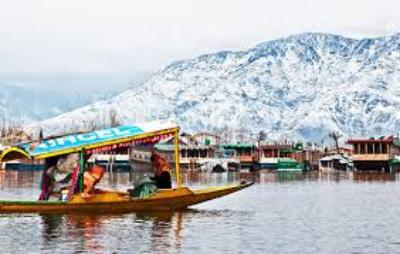
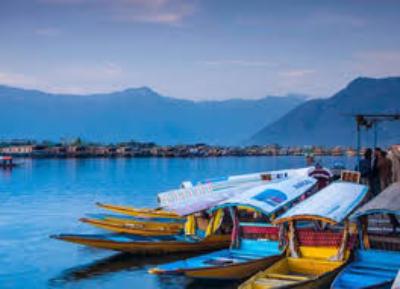
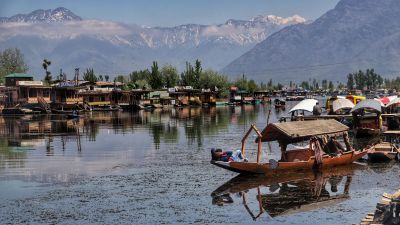
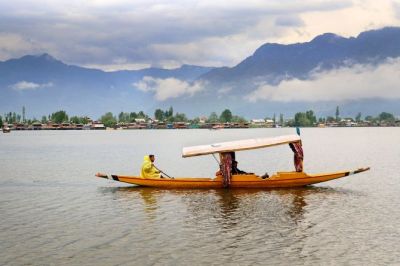
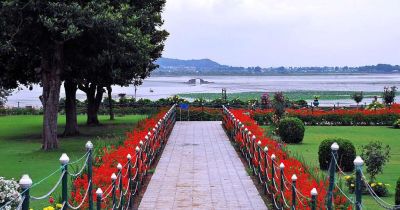
If you are travelling for 6 days, your structure can be simple: 2 nights Srinagar, 2 nights Gulmarg or Pahalgam, 1 night Srinagar with a buffer. If the weather stays clear, you can use the spare day for a Shikara ride on Dal Lake, Mughal gardens, or a local market stop.
Prepare your vehicle for snow, slush and cold starts
Do not assume a regular city car setup is enough. You need a vehicle in good mechanical condition, tyres with decent grip, working headlights, proper windshield wipers and a heater that can cope with sub-zero mornings. If you are self-driving, ask your mechanic to check battery health, coolant, brake pads and tyre tread before you leave home.
Snow chains or traction aids are worth discussing with your rental company or local driver, especially if you expect to go up to Gulmarg or travel after active snowfall. In some conditions, local authorities may advise or require vehicles to be chain-equipped on specific stretches. Confirm current rules locally, because these change with weather and road conditions.
| Item | Why it matters | Indicative cost |
|---|---|---|
| Tyre check and balancing | Improves grip and stability on wet or icy roads | ?500-?1,500 |
| Battery inspection | Cold mornings can expose weak batteries | Often included in service; replacement varies |
| Snow chains | Useful for steep, snow-covered stretches | ?2,000-?6,000 |
| Emergency roadside kit | Basic safety if you are delayed on the road | ?1,000-?3,000 |
Carry a shovel only if your itinerary makes sense for it and you know how to use it. More practical for most travellers are warm blankets, gloves, a torch, a power bank, drinking water, dry snacks and a fully charged phone.
Plan for fuel, cash and connectivity gaps
Never let your tank run low in winter Kashmir. Fill up when you can, especially before heading from Srinagar to Gulmarg, Sonamarg or long return journeys. Fuel availability is not the problem so much as timing, traffic and the inconvenience of searching for an open station when roads are slow.
Cash is still important for parking, porters, small eateries and unexpected local transport needs. Keep some smaller denominations handy. UPI works in many places, but connectivity can be patchy in colder, more remote areas, and you do not want to be stuck if your app fails or the network drops.
Mobile coverage can fluctuate, particularly away from Srinagar. Do not rely on a single SIM or a single phone battery. Download offline maps before you leave, share your route with a family member, and note down your hotel numbers and your driver’s contact on paper as well.
Handle road closures and weather alerts calmly
In Kashmir winter, closures are often temporary rather than dramatic. A road may be held for snow clearance, movement control or safety reasons, then opened again later in the day. The safest response is to wait for local updates instead of pushing ahead because an app showed the road as “open” an hour ago.
Ask your hotel, driver or local contact about road status before leaving each morning. Conditions on the ground matter more than general forecasts. If there is heavy snowfall overnight, expect a slow start and possible changes to your route. If a destination becomes inaccessible, switch to a lower-altitude plan within Srinagar or nearby areas.
Smart backup options if your original plan fails
- If Gulmarg access is poor, spend the day in Srinagar with a market visit, Shikara ride or garden walk if open.
- If Pahalgam roads are slow, reduce the day’s travel and stop earlier for lunch rather than rushing.
- If Sonamarg is not advisable, keep it for another season and use the day for rest or local sightseeing.
- If the highway to Jammu is delayed, keep at least one overnight buffer in Srinagar before your onward journey.
Choose your stay locations with the road in mind
In winter, where you sleep matters almost as much as where you drive. Srinagar is usually the best base because it offers more dining options, easier logistics and better flexibility if your plans change. Expect decent winter hotel rooms to range from ?2,500-?7,000 per night depending on location and comfort level, while premium properties can be much higher.
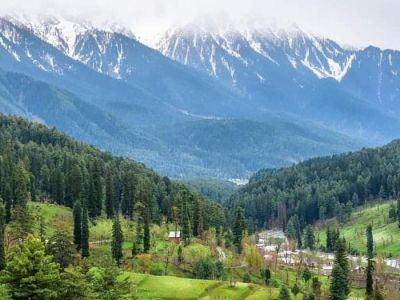
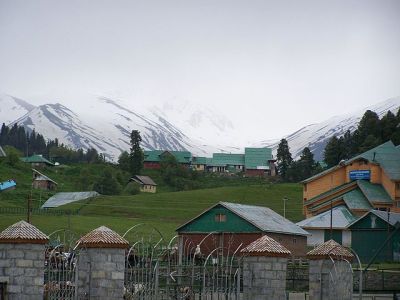
Gulmarg and Pahalgam can be magical, but they are less forgiving in bad weather. A stay there is worth it if you want a slower mountain experience, yet it helps to limit the number of nights unless you specifically want to enjoy snow rather than move around. Confirm heating arrangements, hot water timing and backup power before booking.
If you are travelling with children or older family members, pick a hotel with in-house dining or very close access to meals. After sunset, walking around in icy conditions becomes inconvenient fast. A room that is warm, accessible and reliable is a better winter choice than a scenic place with uncertain heating.
What to pack for a Kashmir winter drive
Your packing list should solve cold, wet and delay-related problems. Think in layers: thermal innerwear, a fleece or wool mid-layer, a waterproof outer jacket, insulated shoes and thick socks. Add beanies, gloves and a scarf or neck warmer. These are not luxuries in January; they are what make a roadside stop bearable.
Also pack medication you already use, a few basic medicines after checking with your doctor, lip balm and moisturiser for dry weather. Bring sunglasses too, because bright snow glare can be harsh on the eyes even on cold days. If you are driving, keep one change of dry clothes accessible rather than buried under bags.
- Warm layers and waterproof outerwear
- Power bank and charging cable
- Offline maps and printed hotel details
- Snacks, water and thermos if you prefer hot drinks
- Cash in small notes
- Medicines and personal essentials
Frequently Asked Questions
Is it safe to self-drive in Kashmir during winter?
It can be safe if you are experienced, cautious and flexible, but winter driving here is not for overconfident first-timers. Snow, black ice and sudden visibility changes demand patience. If you are unsure, hiring a local driver is often the smarter option.
Should I plan my Kashmir winter trip as a road trip or use a driver?
If you want the least stress, a local driver is usually better in winter. They understand the road behaviour, traffic controls and local weather patterns better than most visitors. Self-driving works best if you are already comfortable driving in hilly, cold conditions and you accept possible delays.
What is the biggest mistake travellers make in winter Kashmir?
The biggest mistake is packing too much into too few days. People often try to cover Srinagar, Gulmarg, Pahalgam and Sonamarg on fixed dates and then panic when the road slows down. A slower plan with one buffer day is much more realistic.
How much should I budget for a winter road trip in Kashmir?
For a comfortable mid-range trip, budget around ?4,500-?9,000 per person per day if you are sharing transport and staying in decent hotels. This can go up if you choose premium stays, private cabs or extra buffer nights. Prices vary sharply by season, so confirm current rates before booking.
What should I do if the road closes unexpectedly?
Do not push ahead or take guesses from social media posts alone. Check with your hotel, driver or local police/traffic updates and wait for a practical decision. Keep food, water and warm layers with you so that a short delay does not become a stressful one.
Can I rely on phone networks and online payments?
Not entirely. Coverage is often good in Srinagar and patchy in some higher or more remote stretches. Carry cash, keep offline copies of important contacts and assume that UPI may not work at exactly the moment you need it most.
Final thoughts
A winter road trip in Kashmir rewards travellers who plan for delays instead of fighting them. If you keep your route flexible, your vehicle ready and your itinerary light, the trip becomes far more enjoyable and far less risky. The idea is not to do everything; it is to experience Kashmir in winter without letting road uncertainty ruin the journey.
If this guide helped you plan better, share the post with someone heading to Kashmir this winter.
Disclaimer : The information provided in this blog is for general informational purposes only. While we strive to keep the content accurate and updated, TravelSetu assumes no liability for errors or omissions. If you believe any part of this blog infringes your rights or causes concern, please notify us immediately at info[at]travelsetu[dot]com so that appropriate action can be taken.