Amravati (Maharashtra) History
The History of Tourism in Amravati, Maharashtra, India
Amravati, situated in the heartland of Maharashtra, has steadily evolved as a hub for cultural tourism in India. Known for its ancient temples and rich cultural heritage, this city has drawn visitors seeking spiritual and historical exploration for decades.
The Ancient Roots
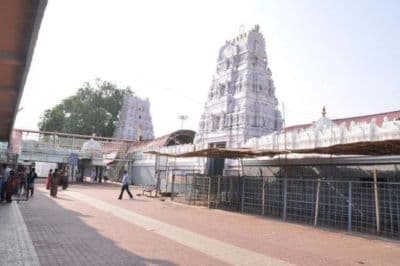
The history of tourism in Amravati can be traced back to its ancient roots when it was called 'Udumbravati', signifying the abundance of Udumbara trees (fig trees). The region holds a significant place in the Hindu mythology and has long been a destination for pilgrims. The presence of the Shri Ambadevi Temple, a structure that predates the 11th century, is a testament to the city’s ancient spiritual significance.
The British Era and Archaeological Discoveries
During the British era, Amravati emerged as an administrative region, bringing in British officials and travelers. The discovery of artifacts and Buddhist relics in nearby areas, such as the stupas in Sanchi and Guntur, increased the interest among historians and archaeologists, thereby gradually attracting more visitors. The British developed railways and roads, which made the region more accessible to tourists.
Post-Independence Developments
After India's independence in 1947, Amravati saw a rise in national tourists interested in exploring their country's heritage. The establishment of educational institutions, which drew students from different regions, also contributed to a modest increase in tourism-related activities.
Recent Trends
In recent times, Amravati has been facilitating its visitors with improved infrastructure, notably with better transport and accommodation. It hosts vibrant festivities like Navaratri and Janmashtami, showcasing local traditions and attracting several tourists. There’s a push towards incorporating the rich wildlife aspects of the region into tourism, particularly with the Chikhaldara Wildlife Sanctuary nearby, known for its scenic beauty and diverse fauna.
Eco-Tourism
Eco-tourism is now a growing trend in the area. With the emphasis on sustainable travel, tourists are increasingly attracted to the regions around Amravati for its natural beauty, with the Melghat Tiger Reserve being a significant draw.
Spiritual Tourism
Spiritual tourism continues to thrive with pilgrimages to both age-old temples and modern spiritual centers like the Shri Sant Gajanan Maharaj Sansthan of Shegaon, which is often referred to as the 'Pandharpur of Vidarbha'.
Medical Tourism
Amidst the newest developments, Amravati is also witnessing a rise in medical tourism, with several new healthcare institutions offering alternative therapies and wellness treatments encouraging tourists to visit for health benefits.
Challenges and Future Prospects
Despite its potential, Amravati faces challenges in the form of limited international recognition and the need for more comprehensive marketing strategies to showcase its tourism spectrum. The local government is working towards overcoming these hurdles by investing in tourist-friendly infrastructures and promoting Amravati at national and international tourism platforms.
The history of Amravati is a compelling blend of religion, culture, and nature. With each period from ancient to modern times adding layers to its tourism fabric, Amravati continues to hold promise as a unique destination within India's tourism landscape.
Places to Visit in Amravati
View all places to visit in Amravati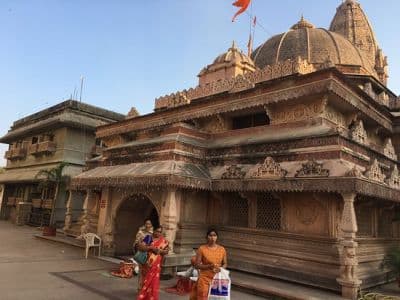
Ambadevi Temple Amravati
4.5(43 reviews)
Shri Ekvira Devi Temple
4.0(152 reviews)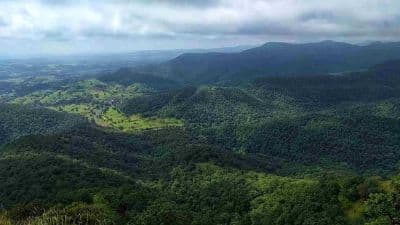
Chikhaldara Hill Station

Melghat Tiger Reserve
4.0(43 reviews)
Wadali Talao
4.0(13 reviews)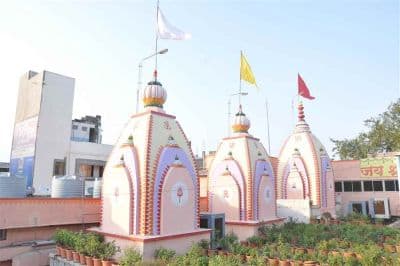
Satidham Temple

Bhuleshwar Temple
4.5(214 reviews)
Gugarnal National Park
4.0(5 reviews)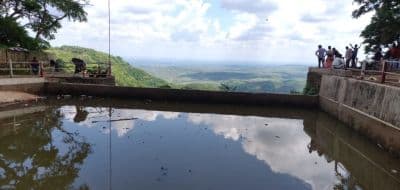
Devi Point Amravati
4.0(16 reviews)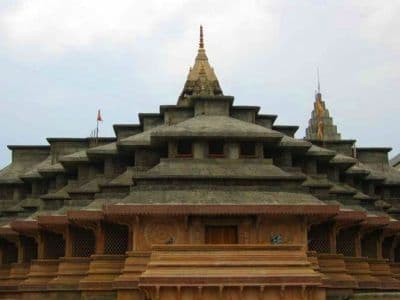
Shri Bhakti Dham Temple
4.5(12 reviews)Explore Hill Stations to Visit in Amravati
View Hill Stations to visit in AmravatiExplore 6 Religious Places to Visit in Amravati
View 6 Religious Places to visit in AmravatiAmbadevi Temple Amravati
Amravati
4.5(43 reviews)Shri Ekvira Devi Temple
Amravati
4.0(152 reviews)Satidham Temple
Amravati
Bhuleshwar Temple
Amravati
4.5(214 reviews)Devi Point Amravati
Amravati
4.0(16 reviews)Shri Bhakti Dham Temple
Amravati
4.5(12 reviews)Explore National Parks to Visit in Amravati
View National Parks to visit in AmravatiOther Places to Visit in Maharashtra
View all places to visit in Maharashtra
Mumbai

Pune

Mahabaleshwar

Lonavala

Khandala

Shirdi

Aurangabad

Nashik

Kolhapur

Nagpur

Alibaug

Ratnagiri

Tarkarli

Nanded

Solapur

Matheran

Thane

Satara

Chandrapur

Ganpatipule

Panchgani