Dhammayangyi Temple (Bagan) FAQs In 2026 - 2027
Buddhist Temple
10 FAQs on Dhammayangyi Temple
What is the Dhammayangyi Temple?
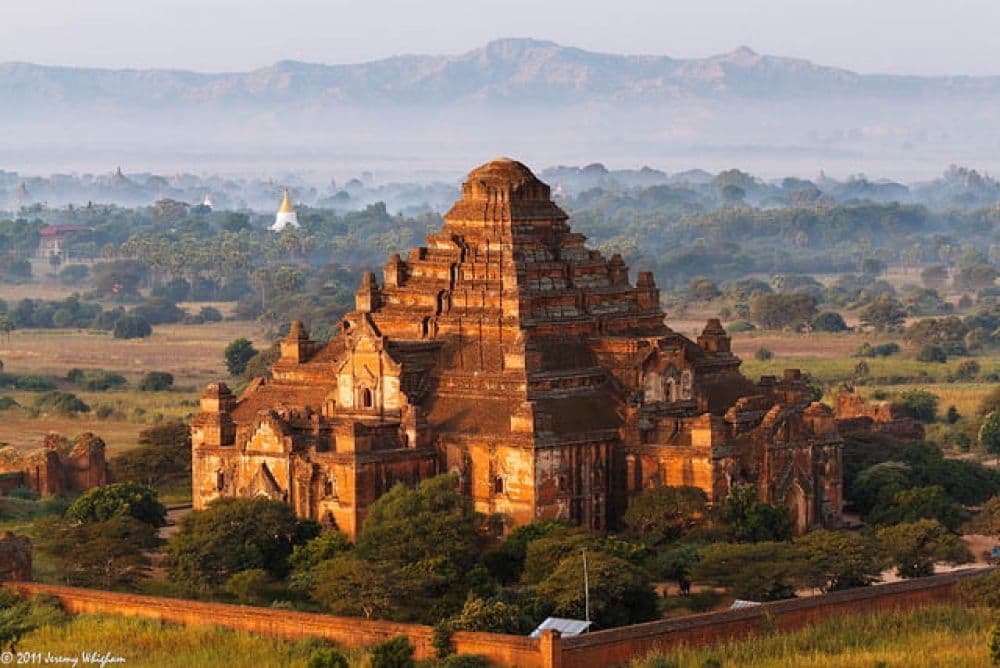
The Dhammayangyi Temple is the largest of all the temples in Bagan, Myanmar. It is known for its significant mass and its distinctive architectural style, reminiscent of the ancient Pyramids due to its stepped, terraced layout. Built in the 12th century under the reign of King Narathu, it is one of the most significant cultural heritage sites in Myanmar and a popular tourist attraction.
When was the Dhammayangyi Temple built?
Dhammayangyi Temple was built during the reign of King Narathu, around the year 1167-1170 AD.
What is unique about the Dhammayangyi Temple's architecture?
The Dhammayangyi Temple is famed for its mortarless brickwork, which is among the finest in Bagan. The pyramid shape of the temple, along with its thick walls and the absence of interior lighting, gives it a unique, mysterious vibe. The temple's interior is also known for being intentionally filled with brick rubble by an unknown group, which left many of the inner sanctuaries inaccessible.
What are the main features of the Dhammayangyi Temple?
Significant features of Dhammayangyi Temple include its enormous size, a central solid core with no access, the four Buddha statues placed in the western shrine, and the finely detailed architectural flourishes. The external terraces and the six monumental gateways are also characteristic elements of this temple's design.
Can tourists visit Dhammayangyi Temple?
Yes, tourists can visit Dhammayangyi Temple. It is a must-see destination for those traveling to Bagan and provides a unique glimpse into the region's ancient history and architectural prowess.
Is there an entrance fee to visit Dhammayangyi Temple?
Access to Dhammayangyi Temple itself does not generally require a separate entrance fee; however, there is an entrance fee for the Bagan Archaeological Zone, where the temple is located. Visitors must purchase a pass to enter the zone, which includes access to all the temples within it, including Dhammayangyi.
What is the best time of day to visit Dhammayangyi Temple?
The ideal time to visit Dhammayangyi Temple is early in the morning or late in the afternoon when the temperatures are cooler and the light provides excellent conditions for photography. Sunrise and sunset are particularly picturesque times to appreciate the temple's silhouette against the sky.
Are there any special cultural events associated with Dhammayangyi Temple?
While there are no specific events held exclusively at Dhammayangyi Temple, the temple does play a role in the various cultural and religious festivals that take place in Bagan throughout the year, such as the Ananda Pagoda Festival and the Thingyan Water Festival.
What should tourists know about etiquette when visiting Dhammayangyi Temple?
When visiting Dhammayangyi Temple, like any religious site in Myanmar, it's important to dress modestly, covering shoulders and knees. Visitors should remove shoes and socks before entering temple interiors as a sign of respect. As a sacred place, it's also encouraged to maintain a respectful demeanor, avoiding loud noises and disruptive behavior.
How accessible is Dhammayangyi Temple for tourists with mobility issues?
Accessibility for tourists with mobility issues can be challenging since the temple's features include uneven ground, steps, and thresholds that are not wheelchair-friendly. Assistance by travel companions and careful planning can help, but the more remote or enclosed areas of the temple may prove inaccessible to those with severe mobility restrictions.
Other Places to Visit in Bagan
View all places to visit in Bagan
Ananda Temple

Shwezigon Pagoda

Thatbyinnyu Temple

Sulamani Temple
Htilominlo Temple

Bagan Archaeological Museum

Shwesandaw Pagoda

Gawdawpalin Temple

Bulethi Pagoda

Pyathada Pagoda
Tharabar Gate

Manuha Temple

Myinkaba Village
Nyaung U Market