The Great Wall of China Tourism
Historical Landmark4.5(11,059 reviews)
About The Great Wall of China
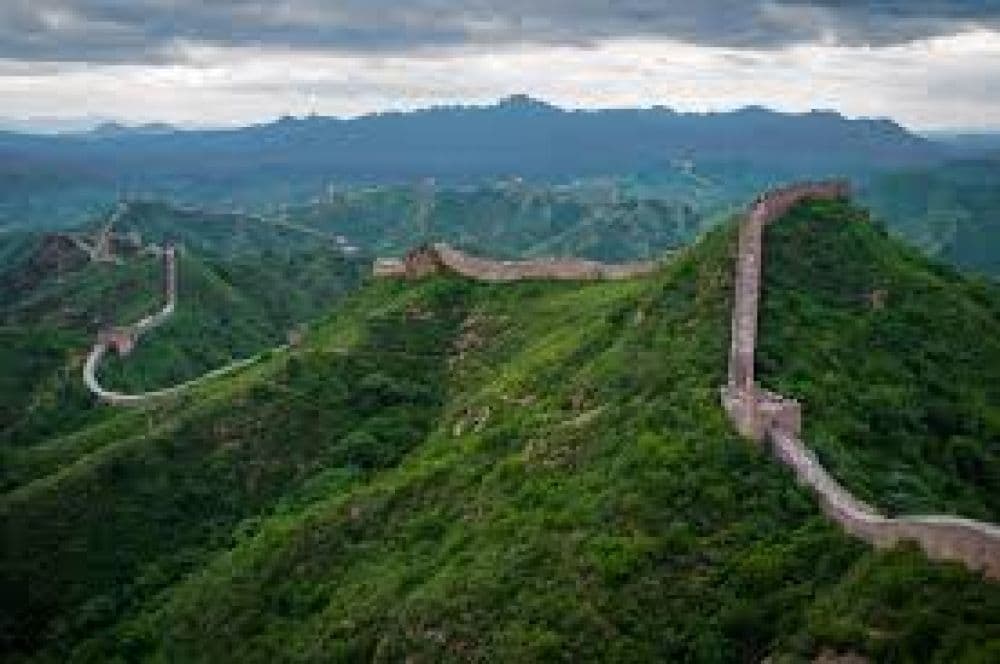
The Great Wall of China is an ancient series of walls and fortifications, totaling more than 20,000 kilometers in length, located in northern China. Originally conceived by Emperor Qin Shi Huang in the third century B.C.E. to prevent invasions from northern barbarians, the wall was built, rebuilt, and maintained between the 5th century B.C. and the 16th century to protect the Chinese states and empires against the raids and invasions of the various nomadic groups. Composed mainly of stone, brick, tamped earth, wood, and other materials, the Great Wall stretches from Dandong in the east to Lop Lake in the west, roughly delineating the southern edge of Inner Mongolia. The most visited section, Badaling, has been preserved and attracts thousands of national and international tourists. The wall itself—with its watchtowers, barracks, garrison stations, and signaling capabilities through smoke or fire—is a testament to the advanced military concepts and architectural skills in ancient China. It's no wonder that the Great Wall has become a symbol of China's enduring strength and spirit, and in 1987, UNESCO designated the Great Wall a World Heritage site.
Top 5 Reviews on The Great Wall of China
aylak246
5.0Wrote on 14 Jun 2024
I love it
I visited Badaling Great Wall in March. It was beautiful but it was colder when I was up there and also too windy. Be careful when it is windy since steps could be a bit slippery.