Mount Everest Tourism
Mountain/Peak5.0(440 reviews)
About Mount Everest
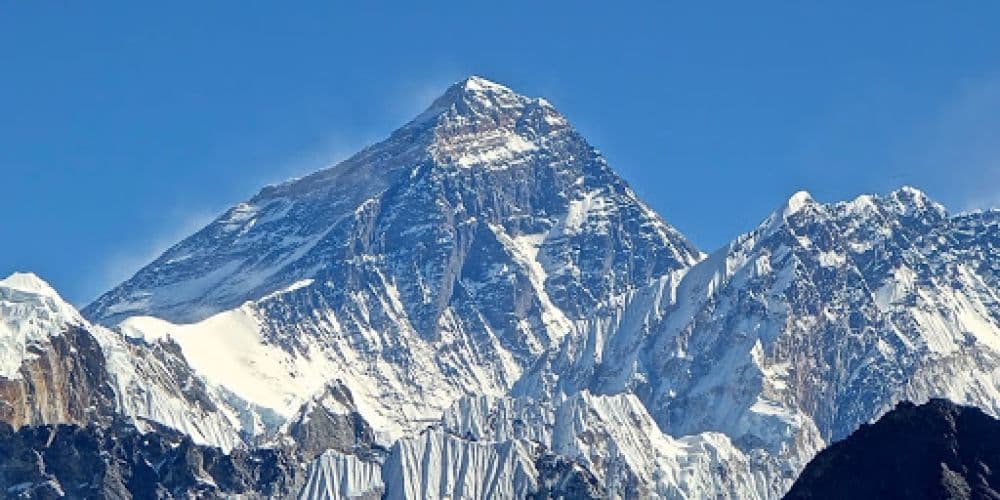
Mount Everest, part of the Himalaya range in Asia, is the highest peak on Earth, with its summit reaching an elevation of 8,848.86 meters above sea level. It is located in the Sagarmatha National Park in the Solukhumbu District of Nepal, a UNESCO World Heritage Site. The mountain was named after Sir George Everest, a British surveyor-general of India. The local Tibetan name for Everest is 'Chomolungma,' which means 'Mother Goddess of the World,' whereas in Nepali, it is called 'Sagarmatha.' Climbing Mount Everest has become a challenging endeavor for many mountaineers, with the first successful ascent by Sir Edmund Hillary and Tenzing Norgay on May 29, 1953. The mountain's harsh climate, high altitude, and the difficulty of the terrain only allow climbing attempts typically during April and May, before the monsoon season begins. Sagarmatha National Park is characterized by rugged terrain and deep gorges, featuring glaciers and majestic peaks. Its unique ecosystem is home to several rare species like the snow leopard and the red panda.
Top 5 Reviews on Mount Everest
aaronthemountaineer1
5.0Wrote on 8 May 2024
Amazing Views!
Never reached the summit but the views of the town from high up were incredible. Hope to summit this monster one day but until then i’ll cherish the amazing environment. The national park was also beautiful in foliage and wildlife. Would 100% to again just for the forest range below.