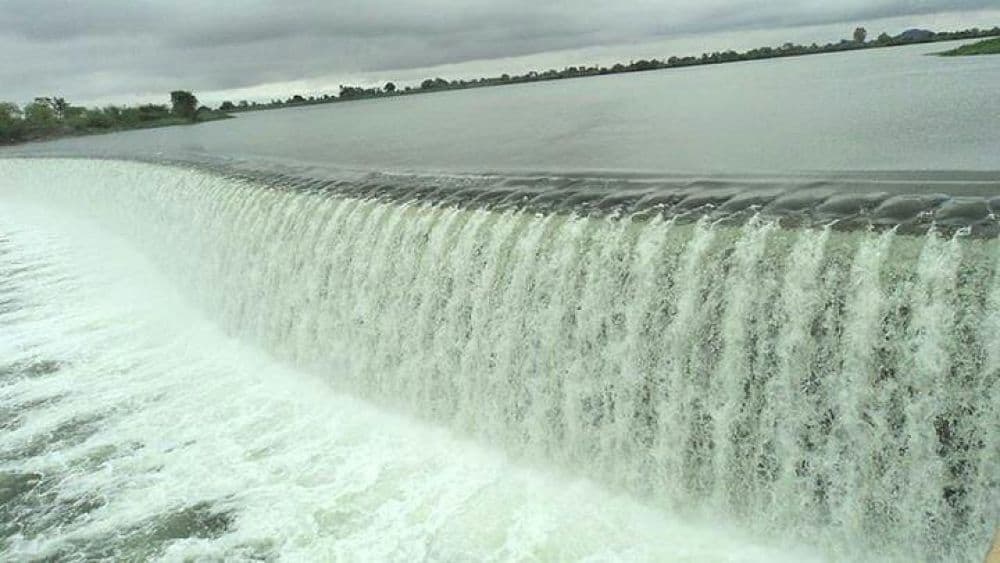
Parichha Dam (Jhansi) FAQs In 2026 - 2027
Nature/Scenic Spot
10 FAQs on Parichha Dam
What is Parichha Dam?
Parichha Dam is a dam situated near Parichha town, which is approximately 25 kilometers from Jhansi, Uttar Pradesh, India. It was constructed on the Betwa River for irrigation and hydroelectric power generation purposes.
Can tourists visit Parichha Dam?
Yes, Parichha Dam is open to tourists and is a popular spot for picnics, boating, and leisure activities.
What are the main attractions at Parichha Dam?
The main attractions at Parichha Dam include the scenic reservoir, boating facilities, lush green surroundings, and the dam itself. It is an ideal location for photography enthusiasts and nature lovers.
Is there an entry fee to visit Parichha Dam?
As of the knowledge cutoff date, there is no entry fee to visit Parichha Dam. However, fees may apply for activities such as boating.
What is the best time to visit Parichha Dam?
The best time to visit Parichha Dam is from October to March when the weather is pleasant and conducive for outdoor activities.
Are there any facilities for tourists at Parichha Dam?
Basic facilities such as parking and snack stalls are usually available for tourists. However, it's always advisable to carry essentials and confirm the availability of facilities beforehand.
How do I reach Parichha Dam?
Parichha Dam can be reached by taking a local bus, taxi, or private vehicle from Jhansi. The nearest railway station is Jhansi Junction and the nearest airport is Gwalior Airport, from where you can hire a taxi to reach the dam.
Is swimming allowed in the reservoir at Parichha Dam?
Swimming is generally not recommended in the reservoir for safety reasons, and tourists should comply with local regulations and signage.
Are there any accommodation options near Parichha Dam?
While there may be limited accommodation options directly adjacent to Parichha Dam, visitors can find hotels and guest houses in the nearby city of Jhansi.
What should I keep in mind while visiting Parichha Dam?
Visitors should take care to preserve the cleanliness of the area, follow safety guidelines, especially around water bodies, and respect local customs and regulations.
Other Places to Visit in Jhansi
View all places to visit in Jhansi
Jhansi Fort (Jhansi ka Kila)
4.0(238 reviews)
Rani Mahal
3.0(46 reviews)
Government Museum Jhansi (Shatabdi Smarak)
4.0(57 reviews)
Maharaja Gangadhar Rao ki Chatri
4.0(12 reviews)
Jude's Shrine
5.0(28 reviews)
Barua Sagar
3.5(19 reviews)
Barua Sagar Fort
3.5(14 reviews)
Herbal Garden (Rani Lakshmi Bai Central Agricultural University)
4.0(18 reviews)
Rani Jhansi Museum
3.0(46 reviews)


