Shamian Island Tourism
Historical Island4.5(1,959 reviews)
About Shamian Island
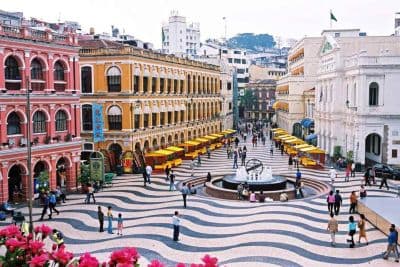
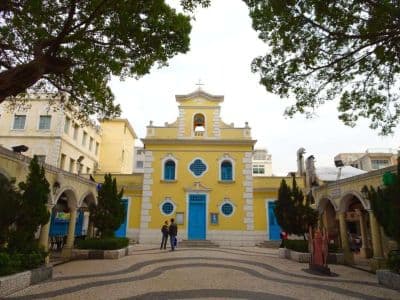
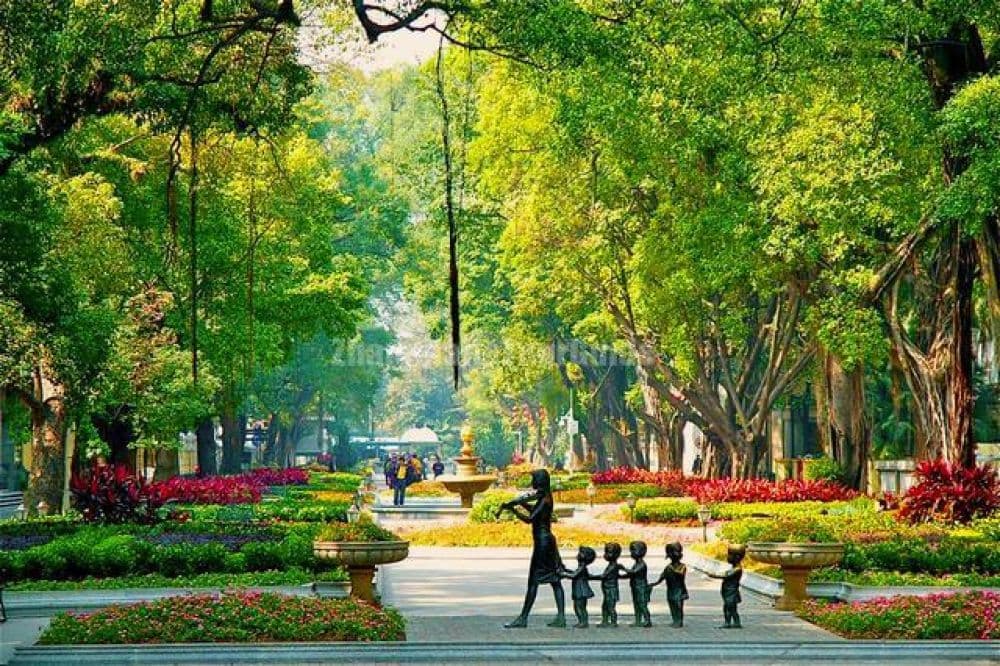
Shamian Island is a scenic historical area located in the Liwan District of Guangzhou, China. Spannning approximately 300 meters from east to west and 900 meters from north to south, the island covers a small area of 0.3 square kilometers. Known for its European-style architecture, it reflects the colonial history during the 19th and early 20th centuries when it was divided into concessions allocated to the British and French under the Treaty of Whampoa. A haven for photographers and tourists, Shamian Island boasts tree-lined streets, exquisite buildings in various classical styles, and serene parks. Historically, the island served as an important port for foreign trade during the Qing dynasty. Today, it is a pedestrian-friendly area with numerous historical buildings converted into public spaces, including hotels, restaurants, cafes, and museums. The well-preserved architecture and the tranquil atmosphere of the island provide a stark contrast to the bustling city of Guangzhou, making it a popular spot for relaxation and cultural exploration. Notable buildings include the Our Lady of Lourdes Chapel, the British and French consulates, and various former trading houses and banks that reflect the island's multi-layered past.
Top 5 Reviews on Shamian Island
teresacQ2137RK
5.0Wrote on 18 Jul 2024
A find!
A great space for the people to get together, dance, play music, meet and enjoy family and friend times. In addition, there is an interesting history of trade on this island. Love the historical tea rooms and well maintained buildings.