ravindramore
★★★★★5.0Wrote on 8 Nov 2020
largest flower plateau of the world - Bhambavli Flower Plateau, a best place to visit, an uncoming tourist place.
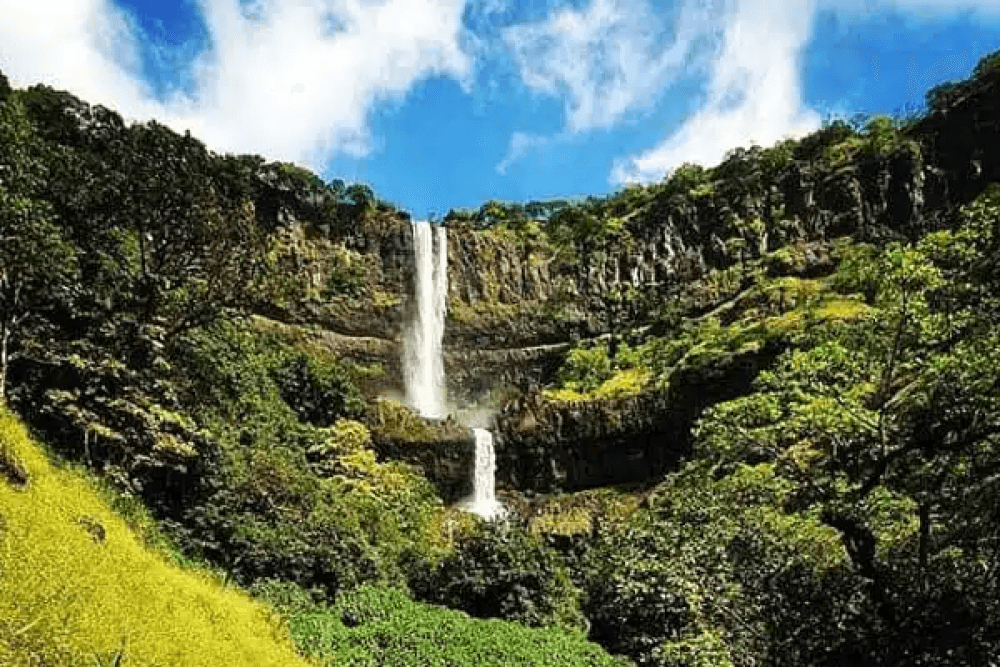
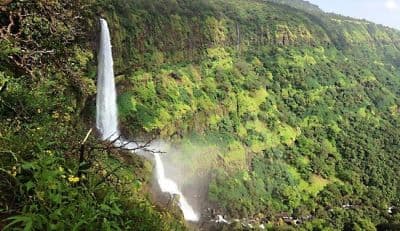
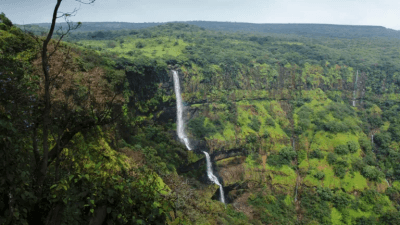
Bhambavli Flower Plateau (Pushp Pathar), Satara Biggest Flower Plateau of the World Bhambavli Flower Plateau (Pushp Pathar) is in the western part of Maharashtra. It is biggest Flower Plateau of the world connected to Satara, Jaoli and Patan tehsils of Satara District. It is located approximately 30 kms away from Satara city. It is situated high hill plateaus and grasslands turns into a 'valley of flowers' during monsoon season, particularly from August to early October. Bhambavli Plateau has more than 150 or more types of flowers, shrubs and grasses. The plateau is largely formed of basalt. The basalt rock is covered by a thin cover of soil formed due to erosion and has accumulated a layer of not more than an inch or so. The plants growing on Bhambavli plateau are typically of herbaceous nature of like grasses. Apart from Bhambavli Vajrai Waterfall, a highest waterfall of India, Bhambavli is also admired for its rich flora and fauna. Variety of flora and fauna found in surrounding dense forest and plateau of Bhambavli. The different and rare flowers make this place appear like a wonderland. Karvi, Sonki, Smitia, Balsam, orchids, are some of varieties that blossom in this plateau. The ideal period to visit this place is August to October. Bhambavli Plateau is rich in its Bio-diversity. Many species are observed on plateau which are new to the Botanical Science. Many of the endemic, endangered plants are found on Plateau. This place houses a wide range of birds. Bhambavli plateau with charming natural flowers will definitely allure you. Bhambavli Flower Valley overlooks the lush green forests of the Sahyadri Tiger Reserve, Koyana Sanctuary, water catchment area of Koyna dam, Urmodi backwaters, Sajjangadh, Kas Flower Plateau, Chalkewadi Wind-mills, Vasota Fort, and Confluence of three rivers (Koyana, Solashi and Kandati). Bhambavli plateau is sincerely ideal location for nature lovers and photography aficionados. Only on Dassehra day ( Marathi festival day), different colours of crabs are found on the Bhambavli Flower Plateau. This is unique feature of this plateau. There are marks of Mahabharat (hindu epic) found on the Bhambavli Flower Plateau in the form of steps of Pandavas when Pandavas were on 13 year exile. There are unending big caves found on the Bhambavli Flower Plateau. The path and history of the caves is still to be discovered. Nearby other places to visit: • Bhambavli Vajrai Waterfall- tallest waterfall of India • Kas Flower Plateau in the month of August to October. • Bamnoli & Tapola – for boating. • Sajjangadh Fort – Samadhi of Saint Ramdas. • Thoseghar Waterfall. • Chalkewadi for Windmills,. • Mahabaalleshwar – Hill Station • Pachgani – Hill Station • Wai – Ganpati • Gondavale – Samadhi of Saint Gondvalekar Maharaj. • Koyna-Chandoli Tiger Sanctuary Precautions to be taken by Tourists while visiting Bhambavli Flower Plateau. • Visit only between 8.00 am to 5.00 pm every day. • Avoid visiting this place in heavy rains and fog. • This is plastic free zone; don’t throw plastic bags, water bottles etc. • Prohibited consumption of Alcohol • Plateau is slippery in rainy season, be cautious. • Heavy rains with fog, unable to see stiff clips at Plateau, chances of fall, be cautious. • Be agile and cautious, as there are chances of encounters with reptiles like snakes, insects. Wild animals like tiger, bear etc. Trekking Precautions: • Wear appropriate footwear • Rock faces can get very slippery. • Streams as well as ponds are quite deep. • Don’t eat leaves, flowers and fruits, mushroom etc. unless you are sure that they are safe. They could be poisonous. • Be agile and cautious, as there are chances of encounters with reptiles like snakes, insects. Wild animals like tiger, bear etc. Route to reach Bhambavli Flower Plateau (Pushp Pathar): Distance : Satara to Bhambavli – 32 km By Air : Pune is nearest place to reach to Satara and then to Bhambavli Flower Plateau. From Pune you have to go by road to Satara – Kas – From Kas to Tambi (Bhambavli). By Road: (1) Satara to Kas, Kas to Tambi (Bhambavli) (2) Mahabaleshwar to Tapola, Bambnoli- Kas, Kas to Tambi (Bhambavli). Accommodation at Bhambavli Tourists may prefer to stay at village Bhambavli in their traditional homes or Home-stays made available. This stay will give tourists a chance to live a rural life. MOST IMPOROTANT: Not to enter dense forest without a Guide. Guide is available in Village Bhambavli. For Guidance, please contact Mr. Ravindra More @ 9821967717