If you are planning a trip across the Seven Sisters and want the kind of views that make the journey feel larger than the map, this guide is for you. From hilltop lookouts over tea gardens to mountain passes, river valleys and cloud-level ridges, you will find the best aerial viewpoints that suit road trippers, photographers, couples, families and slow travellers alike.
Why aerial viewpoints matter in the Seven Sisters
The Seven Sisters region is one of India’s most rewarding places for elevated views because the landscape changes so quickly. In a single trip, you can move from Brahmaputra plains in Assam to pine-covered hills in Meghalaya, high passes in Arunachal Pradesh and misty ridgelines in Nagaland, all within a few hours or a long but scenic drive. That variety is exactly why aerial viewpoints are such a big part of the experience here.
These are not just places to stop for a photo. They help you understand the shape of the region: the river systems, layered hills, tea estates, deep valleys and borderland roads. If you are planning a 5- to 10-day itinerary, adding a few viewpoints will make the trip feel more complete without needing strenuous trekking.
Best aerial viewpoints by state
Assam: river plains, tea gardens and city panoramas
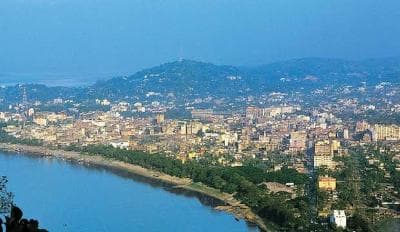
Assam gives you the easiest access to elevated viewpoints, especially around Guwahati and the tea districts. For many travellers, the first memorable aerial perspective comes from Nilachal Hills in Guwahati, where Kamakhya Temple and the Brahmaputra valley can be seen from above in parts of the drive and surrounding slopes. Early morning and just before sunset are the best times, when the city feels calmer and the river looks softer in the light.
Another good stop is the hill areas around Haflong, often called the only hill station in Assam. It is not a dramatic mountain town by Himalayan standards, but the lake, ridges and winding roads give you a broad elevated feel that works well for relaxed sightseeing. If you are heading through Jorhat or Dibrugarh, several tea estate viewpoints and lodge terraces offer open views over ordered tea rows and distant low hills.
Meghalaya: cliffs, waterfalls and cloud-level roads
Meghalaya is where many travellers fall in love with the Seven Sisters from above. The drive itself often feels like a viewpoint, especially between Shillong, Cherrapunji and Dawki. Shillong Peak is one of the most reliable aerial stops near the state capital. On a clear day you can see the city spread below, with hill layers fading into the distance. It is an easy add-on if you are already in Shillong and usually takes under an hour for a relaxed visit.
Near Cherrapunji, viewpoints around the cliff edges and waterfall-belts give you dramatic valley depth rather than a single city panorama. If your route includes Nohkalikai viewpoint or the road sections near Mawsmai, you will get some of the best elevated waterfall views in Northeast India. In the west, Dawki is not high in altitude, but the ridges around the valley and the clear river stretch can still give you striking overhead compositions, especially when the weather is clean after rain.
Arunachal Pradesh: passes, valleys and true mountain scale
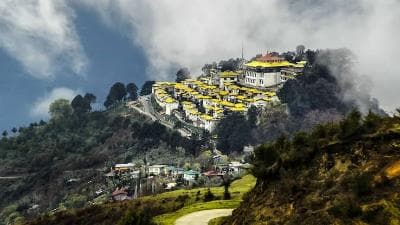
Arunachal Pradesh is where the aerial viewpoint experience becomes truly expansive. Roads here are often the viewpoints themselves, with long curves, river bends and sudden openings over valleys. Around Tawang, high-altitude stops on the way from Bomdila and Dirang give you the most memorable outlooks. The drive is long, so it is best done with one or two overnight stops rather than rushed in a single stretch.
Sela Pass is the name most travellers remember, and for good reason. At over 13,000 feet, it gives you a wide, cold, wind-swept sense of the high Himalaya. Weather changes quickly, so you may get a clear view, swirling cloud or snow depending on the month. In Dirang, the valley and monastery surroundings offer gentler aerial perspectives if you want mountain scenery without the extreme altitude stress.
Nagaland: ridge views and village landscapes
Nagaland’s aerial viewpoints are often quieter and more intimate than the dramatic passes of Arunachal. Around Kohima, ridge-top roads and higher hotel locations can give you lovely city and valley views, especially in the early morning when the slopes are layered in mist. If you are visiting during the Hornbill season, the road network can be busier, so plan extra time for photo stops.
Khonoma is another excellent area if you enjoy landscape viewing with village character. It is less about big city panoramas and more about terraced hills, forest edges and hillside settlements. The perspective is excellent for travellers who want a quieter atmosphere and a slower pace.
Manipur: lake views and valley edges
Manipur is dominated by its central valley, so the strongest aerial viewpoints are those that help you see the landscape from the rim. Around Imphal, elevated spots near the outskirts and hill approaches give you a broad look at the city and surrounding plains. If you are travelling to Loktak Lake, nearby higher roads and viewpoints can help you appreciate the scale of the lake and floating phumdis.
Because road access and local conditions may vary, it is better to check with your hotel or local driver before fixing a viewpoint-heavy plan in Manipur. The best viewing is often weather-dependent, and clear mornings usually work better than hazy afternoons.
Mizoram and Tripura: calm hill city views
Mizoram and Tripura are not usually the first places people associate with aerial sightseeing, but they do offer pleasant elevated views if you enjoy quieter cityscape and hill scenery. In Aizawl, many road bends and ridge-side stops open up layered city views that feel especially beautiful after rain. The town itself is built over hills, so even ordinary drives can feel scenic.
In Tripura, Ujjayanta Palace and the higher roads around Agartala give a softer urban aerial experience than the Himalayan states, but they are worth including if you are already exploring the region. For many travellers, the appeal here is not altitude alone but the way green surroundings frame the city.
Best viewpoints for different kinds of travellers
| Traveller type | Best fit | Why it works |
|---|---|---|
| First-time visitors | Shillong Peak, Nilachal Hills, Sela Pass | Easier to reach and offer clear “wow” moments without requiring long treks |
| Photographers | Cherrapunji cliff viewpoints, Tawang road viewpoints, Aizawl ridge roads | Good layers, changing weather and strong depth in the frame |
| Families | Haflong, Shillong city viewpoints, Dirang valley stops | Comfortable drives and manageable walking |
| Road trippers | Bomdila-Tawang route, Meghalaya hill circuit, Kohima-Khonoma road | The journey itself delivers constant elevated scenery |
When to go for the clearest views
The best viewing months across much of the Seven Sisters are generally October to April, when skies are clearer and humidity is lower. If you are going to the hills of Meghalaya or Arunachal Pradesh, winter and post-monsoon months usually give the sharpest long-distance views. In the monsoon, the landscape turns greener, but cloud cover and road interruptions can reduce visibility.
For sunrise and sunset, mornings are usually more reliable. In hill stations like Shillong, Aizawl and Kohima, early light often gives you the cleanest horizons before haze builds up. If you are photographing rivers or valleys, a light after-rain glow can be excellent, but keep safety and road conditions in mind.
How to plan your viewpoint trail
If you want to build a short aerial-view itinerary, start with one base city and add nearby viewpoints rather than chasing too many states in one go. For example, a 4-5 day Meghalaya plan can cover Shillong Peak, Cherrapunji cliff viewpoints and Dawki valley stops. A 7-8 day Assam-Meghalaya combination works well if you want Guwahati, hill viewpoints and tea estate panoramas in one trip.
If you are doing Arunachal Pradesh, keep more buffer time. The roads are beautiful but long, and viewpoint stops are best when you are not rushing. A route like Bomdila-Dirang-Tawang usually needs at least 4-5 nights to feel comfortable, depending on your pace and acclimatisation.
Practical tips for the road
- Start early, especially for high passes and popular overlooks.
- Keep a light jacket even in warmer months; hill winds can be sharp.
- Carry cash, since small eateries and parking points may not accept digital payments everywhere.
- Check local road conditions and weather before leaving, particularly in the monsoon.
- Hire a local driver for Arunachal, Meghalaya and remote hill routes if you are not used to mountain roads.
Approximate costs for a viewpoint-focused trip
Costs depend heavily on the state, season and transport style, but these ranges can help you plan realistically. Local sightseeing in a hill town may cost ?2,000-?4,500 per day for a private cab, while longer mountain routes in Arunachal can be higher because of distance and road time. Budget stays often begin around ?1,200-?2,500 per night, while mid-range hotels and homestays commonly fall between ?2,500-?6,000 per night.
Entry fees for viewpoints are usually modest where applicable, but they change often and may include vehicle charges or local parking fees. Please confirm the latest rates, permits and timing requirements before booking, especially if you plan to travel near border areas or restricted stretches.
Frequently Asked Questions
Which state in the Seven Sisters has the best aerial viewpoints?
If you want the widest range, Meghalaya and Arunachal Pradesh usually stand out. Meghalaya gives you accessible hill viewpoints, waterfalls and cliff roads, while Arunachal offers high passes and large Himalayan landscapes. Assam, Nagaland, Mizoram, Manipur and Tripura also have worthwhile viewpoints, especially if you prefer quieter roads and city-edge panoramas.
Are these viewpoints suitable for older travellers and children?
Many of them are, especially Shillong Peak, Nilachal Hills, Haflong and some Dirang viewpoints. The key is to avoid overloading the day with too many stops and to choose routes with manageable walking. High-altitude points like Sela Pass may need more caution because of the weather and elevation.
Do I need a permit to visit aerial viewpoints in the Seven Sisters?
It depends on the state and the route. Some areas in Arunachal Pradesh and other sensitive border zones may require permits for Indian travellers, and rules can change. Always confirm with your tour operator, hotel or official state tourism sources before you travel.
What is the best time of day for photography?
Early morning is usually best for clear visibility and soft light. Sunset can also be beautiful, especially in Shillong, Aizawl and valley-facing roads, but cloud cover can build quickly in the hills. If you want clean landscape shots, try to reach the viewpoint before the midday haze starts.
Can I cover multiple states in one short trip?
You can, but it is better to keep expectations realistic. Assam and Meghalaya work well together in a 5- to 7-day trip, while Arunachal Pradesh usually needs a separate itinerary because of road time. A rushed multi-state plan often means you spend too much time in transit and too little time at the viewpoints themselves.
Are these viewpoints good during monsoon?
Yes, but in a different way. You may lose long-distance visibility, yet the hills become intensely green, waterfalls grow fuller and the atmosphere becomes dramatic. If you are travelling in the monsoon, keep some flexibility in your schedule because fog and road delays are common.
Conclusion
The Seven Sisters are best appreciated from above, where the rivers, valleys, tea gardens and ridgelines reveal how rich and varied the region really is. If you plan well, choose the right season and keep your itinerary realistic, these aerial viewpoints will add depth, colour and calm to your journey.
If this guide helped you plan your Seven Sisters trip, please share this post with fellow travellers who are looking for scenic viewpoints and practical travel ideas.
Planning a Seven Sisters trip?
Tell us your dates and who is travelling. Up to three local travel companies send you their itinerary and price.
Get free quotesDisclaimer: The information in this blog is for general information only. We try to keep it accurate and up to date, but TravelSetu accepts no liability for errors or omissions. If you believe any part of it infringes your rights, please write to info@travelsetu.com.