If you are planning a trip through Northeast India and want more than lakes and viewpoints, this guide is for you. The Seven Sisters have some of the most interesting caves, limestone belts, fossil-bearing rock layers, volcanic-looking formations, and old riverine landscapes in India, and this article will help you understand where to go and what to expect. You will also get practical travel tips, approximate costs, and a simple way to plan a geology-focused route across the region.
Why the Seven Sisters are special for geology lovers
The Seven Sisters—Arunachal Pradesh, Assam, Manipur, Meghalaya, Mizoram, Nagaland, and Tripura—sit in a geologically active part of India. The region has folded hills, limestone cave systems, river terraces, coal and lignite belts, sandstone cliffs, and fossil-rich sedimentary layers in several pockets. For travellers, this means you can combine scenic drives with places where the land itself tells a story.
You do not need to be a professional geologist to enjoy these sites. Most places are easy enough for curious travellers, students, families, and photography lovers, as long as you are prepared for basic walking, damp caves, and irregular road conditions. A good geology trip here usually takes 7-14 days if you want to cover multiple states.
Meghalaya: the best starting point for caves and limestone landscapes
If you want the strongest geology focus, begin in Meghalaya. The state has some of the clearest limestone formations and cave systems in Northeast India, especially around Shillong, Sohra, and Jaintia Hills. Expect cool weather, steep roads, and several sites where local guides are helpful or required.
Mawmluh Cave and Sohra’s limestone belt
Mawmluh Cave near Sohra is one of the most important geological sites in the region. It is known for its limestone passages, underground streams, and wet cave environment, so proper footwear is essential. The area around Sohra also gives you a sense of how rain, water, and limestone shape the land over time.
Nearby, you can pair the cave visit with viewpoints over the Khasi hills and the dramatic escarpments around the town. If you are building a geology itinerary, this is one of the best places to spend half a day to a full day.
Mawsmai Cave and limestone formations
Mawsmai Cave is easier for first-time visitors than deeper cave systems, and it is often included in standard sightseeing around Sohra. The walk-through passages make it a practical choice if you are travelling with older parents or children. The formations inside are a good introduction to stalactites, stalagmites, and cave lighting in a tourist-friendly setting.
Laitlum and the Shillong plateau edge
While not a fossil site in the strict sense, the edges of the Shillong plateau near Laitlum show you the kind of uplifted terrain that makes Meghalaya so geologically interesting. The views are excellent, and the landscape helps explain why the state has so many waterfalls, gorges, and cave networks. If you are short on time, keep Shillong as your base and do day trips from there.
Assam: river history, fossil zones, and old sedimentary basins
Assam adds a different geological flavour to the trip. Here, you move from limestone hills to river plains, tea country, and older rock and sedimentary formations. It is also one of the best states if you want to connect geology with easy road access and relatively comfortable stays.
Digboi and the oil heritage landscape
Digboi in Upper Assam is famous for one of Asia’s earliest oilfields, and the area is important for understanding the region’s subsurface geology. The town is not a fossil park, but it is valuable for travellers who want to see how geology shaped the rise of India’s oil history. A visit here works well if you are already travelling through Tinsukia or heading towards Dibrugarh.
Majuli and the Brahmaputra’s shifting landforms
Majuli is more of a river geomorphology destination than a fossil site, but it is essential if you want to understand how the Brahmaputra constantly changes the land. Sandbars, erosion, silt deposits, and floodplain movement are very visible here. The island also makes a good pause in an otherwise rock-heavy itinerary because it shows geology in motion.
Karbi Anglong and fossil-bearing terrain
Parts of central Assam, including areas around Karbi Anglong, are known for older sedimentary formations and fossil-bearing strata in the broader geological sense. Travellers usually visit these areas as part of a wider road journey rather than for one single famous monument. If you are interested in field-style exploration, it is best to go with a local guide or a structured tour rather than trying to self-navigate remote tracks.
Tripura: the most underrated state for fossil and rock lovers
Tripura is often overlooked, but it has a strong case for geology-focused travel. The state’s hilly terrain, sedimentary rocks, and old earth formations make it a rewarding stop if you want places that feel less crowded than the more famous hill stations of the Northeast.
Unakoti and the rock-cut landscape
Unakoti is not a fossil site, but it is one of the region’s most striking rock-cut heritage landscapes. The large carvings on hillside rock faces show how natural stone and human history come together in one place. For a geology itinerary, it is worth including because the rock surface, weathering, and setting are as interesting as the sculptures themselves.
Dumbur and the terrain around Gandacherra
The landscape around Dumbur Lake and nearby parts of Tripura has rolling hills, lateritic soils, and exposed rock in some stretches. It is a good area for scenic drives and understanding the state’s varied landforms. If you are travelling from Agartala, keep a full day for this side of the trip.
Arunachal Pradesh: mountain geology and dramatic river valleys
Arunachal Pradesh is more about young mountains, deep valleys, and tectonic landscapes than classic fossil sites. Still, it is important in any Seven Sisters geology itinerary because the state lies in a highly active and dramatic Himalayan transition zone. Roads can be long and slow, so you need to plan fewer but better stops.
Tawang region and high-altitude terrain
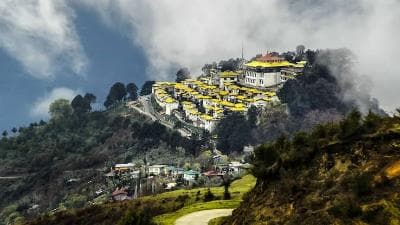
The drive to Tawang is one of the clearest ways to see how altitude changes the land. You move through high passes, glacial valleys, and steep slopes that tell you a lot about mountain building. This is not a fossil trail, but it is a superb geology journey if you enjoy wide landscapes and big elevation changes.
Bomdila and Dirang
Bomdila and Dirang are useful stopovers for travellers heading toward Tawang. The hills here are good examples of folded terrain and river-cut valleys. Spend a night if you want to avoid a punishing drive and give yourself time to notice the landscape instead of rushing through it.
Nagaland: caves, cliffs, and older hill country
Nagaland is ideal if you like rugged hills and places that feel less commercial. The state does not have a long list of famous fossil parks, but it does have limestone zones, cave systems, and deeply textured hill landscapes that are worth exploring slowly.
Dimapur and the limestone story
Dimapur is often the entry point for travellers, and the surrounding area connects you to limestone-related geology and river plains. It is a practical base for road travel and a useful stop before heading into more remote hill districts. If you are combining geology with local culture, Dimapur is easy to fit in.
Khonoma and Kohima hills
The hills around Kohima and Khonoma show the kind of folded, forested terrain that defines much of Nagaland. While these are not fossil sites in the strictest sense, they are excellent for understanding the state’s hill structure, erosion patterns, and road-cut exposures. You can combine them with village visits and short walks without needing special gear.
Manipur and Mizoram: quieter landscapes with strong rock character
Manipur and Mizoram are less famous for fossil tourism, but they still deserve a place in a Seven Sisters geology trip. Both states have strong topographic identity, with hills, valleys, and older rock formations shaping daily life and travel routes.
Manipur: Loktak and surrounding hills
Loktak Lake is best known for its floating phumdis, yet the broader landscape around Imphal and the surrounding hills gives you an interesting mix of wetlands, hill boundaries, and valley geology. The contrast between flat lake country and surrounding ridges makes this a useful stop if you like seeing how landforms change over short distances.
Mizoram: Aizawl’s ridges and river valleys
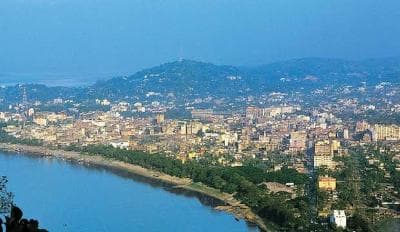
Mizoram is all about ridgelines and steep valleys. Around Aizawl, the road network follows the land closely, and that is part of the appeal if you enjoy terrain that constantly rises and falls. It is not a fossil destination, but it is a powerful place to understand how erosion and uplift shape settlement and travel.
A practical 8-12 day geology route through the Seven Sisters
If you want a balanced trip, do not try to cover everything in one go. A sensible route is Meghalaya, Assam, and Tripura if your focus is caves, limestone, river geology, and rock-cut sites. If you have more time and are comfortable with longer mountain drives, add Nagaland and Arunachal Pradesh.
| Region | Best for | Suggested stay | Typical budget |
|---|---|---|---|
| Shillong-Sohra, Meghalaya | Caves, limestone, escarpments | 2-3 nights | ?3,500-?7,000 per night for decent hotels |
| Assam foothills and river zones | Oil heritage, floodplains, river geomorphology | 1-2 nights | ?2,000-?5,000 per night |
| Tripura | Rock-cut sites and hill landscapes | 1-2 nights | ?1,800-?4,500 per night |
| Nagaland / Arunachal | Mountain geology and valleys | 2-4 nights | ?2,500-?6,500 per night |
Best time to go, how to move around, and what to pack
The best months for a geology trip are usually October to April, when roads are more manageable and cave visits are less unpleasant in heavy rain. Meghalaya stays wet for much of the year, so cave interiors can be slippery even in the dry season, while Arunachal and Nagaland can have cold mornings at higher elevations.
For transport, hire a private cab for inter-state road travel if your itinerary includes multiple geological stops. Shared taxis are cheaper but less flexible for cave timings and photo stops. Expect rough estimates of ?3,500-?6,500 per day for a good outstation cab, depending on the state and route, though rates can change quickly with season and fuel costs.
Pack light but sensibly: non-slip shoes, a torch, a rain jacket, a power bank, a water bottle, and an extra pair of socks. For caves, avoid sandals. For mountain roads, keep motion-sickness tablets handy if you need them.
How much a geology-focused Seven Sisters trip can cost
Your budget depends on how many states you include and how comfortable you want the trip to be. A simple 6-8 day trip focused on Meghalaya and Assam may cost around ?18,000-?35,000 per person excluding long-distance flights, if you share cabs and stay in mid-range hotels. A more spread-out 10-12 day route covering Meghalaya, Assam, Tripura, and one hill state can move into the ?35,000-?65,000 range per person, especially if you choose private transport and better stays.
Entry fees for caves, viewpoints, local guides, and protected sites are usually modest, but they vary by location and by visitor category. Please confirm current charges, road conditions, and any local permit requirements before you book, especially for Arunachal Pradesh and some parts of Nagaland.
Frequently Asked Questions
Which state is best for geology and fossil lovers in the Seven Sisters?
Meghalaya is the best overall starting point because of its caves and limestone terrain. Tripura and Assam also add strong geological variety, while Arunachal Pradesh and Nagaland are better for mountain geology and landform watching. If you have limited time, begin with Meghalaya and Assam.
Are there actual fossil parks in the Seven Sisters?
There are places with fossil-bearing rock layers and geological importance, but many travellers visit the region more for caves, limestone formations, river landscapes, and rock-cut sites than for formal fossil parks. If you want a pure fossil-focused trip, it is better to plan with a local expert or geology group. Do not expect every site to have museum-style displays.
Do I need a guide for the caves?
For easier caves like Mawsmai, you can often visit with standard tourist support, but a guide makes the experience better and safer. For deeper or wetter caves such as Mawmluh, a guide is strongly recommended. Local guidance also helps with route conditions, timing, and respectful behaviour at the site.
Is this kind of trip suitable for children or older travellers?
Yes, but choose carefully. Mawsmai Cave, selected viewpoints, and easier road-access sites work well, while steep cave passages and long mountain drives may not. It is best to keep the pace slow and avoid overpacking the itinerary.
How many days do I need for a good Seven Sisters geology trip?
For one state, 2-4 days is enough. For a multi-state trip, 8-12 days gives you a much better experience without constant rushing. If you want to include both caves and mountain terrain, add buffer days for road delays and weather.
Can I combine geology sites with regular sightseeing?
Absolutely, and that is the smartest way to do it. Meghalaya’s caves fit well with Shillong and Sohra views, Assam’s geology pairs with tea country and river travel, and Tripura can be combined with heritage sites. This keeps the trip varied and more enjoyable for everyone in your group.
The Seven Sisters are not just beautiful to look at; they are places where the ground, rock, water, and hills explain the region’s story in a very direct way. If you travel with curiosity and a little patience, you will come back with a much deeper understanding of Northeast India. Please share this post with fellow travellers who would enjoy a geology-focused journey through the Seven Sisters.
Planning a Seven Sisters trip?
Tell us your dates and who is travelling. Up to three local travel companies send you their itinerary and price.
Get free quotesDisclaimer: The information in this blog is for general information only. We try to keep it accurate and up to date, but TravelSetu accepts no liability for errors or omissions. If you believe any part of it infringes your rights, please write to info@travelsetu.com.