If you are planning a slow, outdoor trip in the Northeast, Seven Sisters riverbank camping can be a memorable way to experience the region beyond the usual hill stations and city stops. This guide is for Indian travellers who want practical advice on where to camp, when to go, what it may cost, and how to stay safe near the rivers of Assam, Arunachal Pradesh, Meghalaya, Manipur, Mizoram, Nagaland, and Tripura.
Here, the river is not just a backdrop. It shapes the journey, the food, the nights, and even the pace of travel. By the end of this article, you will have a realistic picture of how to plan a riverbank camping trip in the Seven Sisters region without overcomplicating it.
What Seven Sisters Riverbank Camping Really Means
Riverbank camping in the Seven Sisters is less about luxury tents and more about open landscapes, local guides, basic camps, bonfire evenings where permitted, and early mornings by the water. In many places, the experience is built around community-led tourism, rafting routes, village stays, or seasonal adventure camps rather than large commercial resorts.
The appeal is simple. You get cooler evenings, bird calls at dawn, wide river views, and a sense of remoteness that many Indian travellers crave. At the same time, you should be prepared for variable road access, limited mobile network in some stretches, and weather that can change quickly, especially during and after the monsoon.
Best Places for Riverbank Camping in the Seven Sisters
The best location depends on what you want from the trip. Some rivers are better for adventure activities, while others are better for quiet, scenic camping. Here are a few regions that travellers commonly consider.
Assam: Brahmaputra, Jia Bhoroli, and Majuli edges
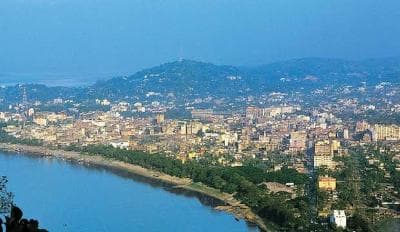
Assam is the most practical entry point for riverbank camping in the Northeast. Around Tezpur and nearby river stretches, you will often find camps linked to rafting, angling, or nature stays. The Brahmaputra’s wide sandbars and river islands can create beautiful seasonal camping conditions, though you should only camp where local operators and landowners permit it.
Majuli is another popular name for slow travel. While not every stay is right on the water, many camps and homestays around the island give you easy access to the riverbank, ferries, and sunset views. Expect a more cultural experience here, with Satras, village life, and simple food adding to the stay.
Arunachal Pradesh: Siang and Dibang regions
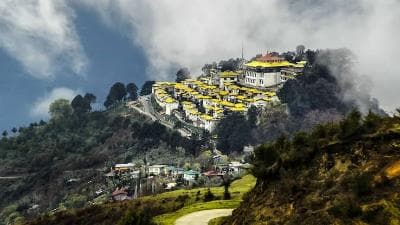
Arunachal Pradesh offers some of the most dramatic river landscapes in the Northeast. The Siang belt near Pasighat and the broader river valley routes can be excellent for adventure-style camping, especially if your trip is paired with rafting or a guided road journey. In eastern Arunachal, some river stretches near towns such as Roing and Pasighat are used by travellers for overnight halts and tented stays.
Keep in mind that access, permits, and road conditions matter a lot here. Plan through local operators or trusted travel agents rather than arriving with a fully independent camping plan.
Meghalaya: river valleys and campsite stays near Shillong-side routes
Meghalaya is not known for broad sandbar camping like Assam, but it does have river-based outdoor stays in certain valleys and forested areas. Around Shillong, Cherrapunji routes, and the wider East Khasi Hills, some camps sit near streams and rivers rather than directly on open riverbanks. If your idea of camping includes cool weather, waterfalls, and short treks to water bodies, Meghalaya can be a strong fit.
Nagaland, Mizoram, Manipur, and Tripura: seasonal, guided, and local-only
In the other Sisters, riverbank camping is usually more seasonal and more dependent on local permissions. You may find community tourism options, eco-camps, or guided outdoor stays near valleys and river corridors, but it is not wise to assume open camping is allowed. Treat these states as places where you should book through local hosts or operators who know the land and the rules.
| Region | Best for | Typical camping style | Practical note |
|---|---|---|---|
| Assam | Easy access, river islands, rafting | Tented camps, sandbar stays, homestays near river | Best for first-time campers |
| Arunachal Pradesh | Adventure and scenic river valleys | Guided camps, rafting-linked stays | Permits and road checks matter |
| Meghalaya | Cool weather and forest scenery | Eco-camps near streams and valleys | Less open-river camping, more nature stays |
| Other Sisters | Local experiences and quieter stays | Community-led, seasonal camps | Book only with local guidance |
When to Go for the Best Experience
The most comfortable time for Seven Sisters riverbank camping is usually from October to April. During these months, river levels are more manageable, the weather is cooler, and outdoor nights are far easier to enjoy. In Assam and Arunachal, winter evenings can still feel chilly near the water, so keep layers handy.
May to early June can still work in some places, but heat and humidity begin to rise in the plains. June to September is monsoon season, and that changes everything. River levels can swell, access roads can get damaged, and sandbank camping may become unsafe or completely unavailable. If you are travelling during monsoon, go only with a local operator who is actively monitoring weather and river conditions.
If you want the most pleasant balance of weather and access, aim for November, December, January, or February. These months are especially good for Assam and lower-altitude river stretches.
What a Riverbank Camping Trip Looks Like on the Ground
A typical trip may start with a road journey from Guwahati, Dibrugarh, Shillong, Itanagar, or another regional base. Depending on your destination, you may travel anywhere from 2 to 10 hours by road. After reaching the last motorable point, you may need a short drive on rough roads or a walk to the campsite.
Most camps in the region are basic but functional. Expect tents or bamboo huts, sleeping bags or blankets, shared washrooms in some places, and simple meals cooked on-site. In better-organised camps, you may also get tea, breakfast, guided walks, rafting add-ons, or birdwatching sessions.
Do not assume the same level of comfort everywhere. A riverside camp in Assam may feel much more developed than a remote site in Arunachal Pradesh or a community-run stay in a lesser-known valley. Ask in advance about mattress quality, toilet facilities, hot water, electricity, and network coverage so you are not surprised on arrival.
Budget: What You May Spend
Riverbank camping in the Seven Sisters can fit different budgets. A simple guided tent stay may be affordable, while a package with rafting, transport, meals, and permits will cost more. Here is a practical range for Indian travellers.
- Basic camping stay: ?1,200-?2,500 per person per night
- Mid-range camp with meals: ?2,500-?4,500 per person per night
- Adventure package with rafting or guided activities: ?4,000-?8,000 per person for a short trip
- Private tent or upgraded setup: ?3,000-?6,000 per night for two people, depending on the location
- Transport from major entry points: ?2,000-?8,000 depending on distance, vehicle type, and sharing options
These are indicative figures only. Costs change by season, road conditions, campsite quality, and whether the camp is remote or near a popular tourist circuit. Always confirm the latest rate before booking.
Safety, Permits, and Responsible Camping
In the Seven Sisters, safety is not just about carrying a torch or mosquito repellent. It is also about understanding local rules, river behaviour, and weather. In some areas, you may need permits for state entry, especially in Arunachal Pradesh and some protected or border-adjacent locations. Check the current rules before you travel, as permit systems and requirements can change.
For safety, avoid pitching tents too close to the waterline. Rivers in the Northeast can rise quickly after rain, and sandbanks can change shape overnight. If your campsite is on a river island or exposed bank, ask the operator how they monitor water levels and what the evacuation plan is.
It is also wise to carry a copy of your ID, keep some cash, and inform someone of your route. Mobile network can be weak in remote stretches. If you are travelling with children or older family members, choose a campsite with road access, proper toilets, and a nearby village or market.
Responsible habits that matter
- Do not leave plastic, foil, or bottles behind.
- Avoid loud music near villages and nesting areas.
- Ask before photographing people or private property.
- Use local guides where possible; it supports the community and improves safety.
- Do not enter the river for a swim unless the guide says the current is safe.
What to Pack for Seven Sisters Riverbank Camping
Packing well makes a bigger difference here than on a standard hotel trip. Nights by the river can be damp, mornings can be chilly, and rain can appear without much warning even outside peak monsoon season. Bring light layers, not just one thick jacket.
- Quick-dry clothes and one warm layer
- Rain jacket or poncho
- Comfortable walking shoes with grip
- Headlamp or flashlight with spare batteries
- Power bank
- Water bottle and basic medicines
- Mosquito repellent
- Wet wipes and a small towel
- Dry snacks for long road stretches
- Photocopy of ID and any required permit documents
If you are travelling in winter, add gloves and socks. If you are travelling near the water during warmer months, consider a spare set of clothes in a waterproof bag. That small step can save your whole evening if you get caught in drizzle or splash from a boat ride.
Sample 3-Day Plan for First-Time Travellers
If you want a simple starting point, keep your first riverbank camping trip short. A three-day plan works well for most Indian travellers because it leaves time for road travel without making the trip feel rushed.
- Day 1: Reach your base city, then drive to the campsite. Settle in, walk by the riverbank, and have an early dinner.
- Day 2: Take a morning activity such as a nature walk, village visit, or rafting if available. Spend the afternoon resting, photographing the river, or exploring nearby local spots.
- Day 3: Wake up early for sunrise, have breakfast, and head back to your base town or airport/railhead.
This format works especially well if you are combining camping with Guwahati, Tezpur, Shillong, Pasighat, or Itanagar connections. For a longer holiday, you can extend it into a week and add cultural stops like Majuli, Kaziranga, local markets, or nearby hill areas.
Frequently Asked Questions
Is riverbank camping safe in Seven Sisters?
Yes, it can be safe if you choose a legal campsite, go with local guidance, and avoid camping too close to rising water. Safety depends heavily on season, weather, and river conditions. Never treat a sandbank or open bank as a guaranteed safe spot.
Which is the easiest state for first-time river camping?
Assam is usually the easiest starting point because access is better and there are more organised river-linked stays. Tezpur, the Brahmaputra region, and Majuli-style trips are good entry points. Arunachal and other states can be excellent too, but they often need more planning.
Do I need permits for riverbank camping in the Northeast?
Sometimes yes, especially in Arunachal Pradesh and certain restricted or sensitive areas. The rules can change, so check before booking and confirm with your operator. Do not rely only on old online information.
Can families with children do this trip?
Yes, but choose a campsite with proper toilets, road access, and less exposure to strong currents. Keep the itinerary short and avoid remote or weather-sensitive locations if you are travelling with small children. A guided, well-managed camp is much better than an isolated setup.
What food can I expect at these camps?
Most camps serve simple Indian meals, often rice, vegetables, dal, eggs, chicken, or local fish depending on the region. Tea is usually available, and some places can arrange local specialties if you request in advance. If you have dietary restrictions, inform the operator early.
How far in advance should I book?
For peak season travel from November to February, booking 2-4 weeks in advance is sensible. For popular festival periods or long weekends, book even earlier. Remote camps with limited tents can fill up faster than you expect.
Conclusion
Seven Sisters riverbank camping is best when you treat it as a mix of nature, local life, and practical planning. Choose the right season, stay with trusted operators, and keep your expectations grounded in the realities of the region. Do that, and you will get a trip that feels refreshing without becoming stressful.
If this guide helped you plan better, share the post with a friend who wants to explore the Northeast by the river.
Planning a Seven Sisters trip?
Tell us your dates and who is travelling. Up to three local travel companies send you their itinerary and price.
Get free quotesDisclaimer: The information in this blog is for general information only. We try to keep it accurate and up to date, but TravelSetu accepts no liability for errors or omissions. If you believe any part of it infringes your rights, please write to info@travelsetu.com.