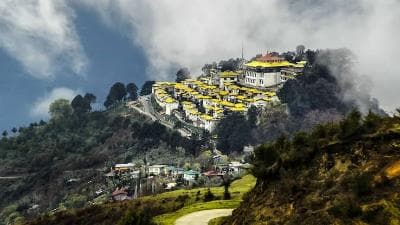
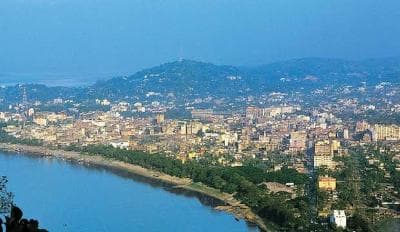
If you are planning a trip across the Seven Sisters and want something a little different from the usual waterfalls-and-viewpoints circuit, planetariums are a smart addition. They are especially useful if you are travelling with children, if the weather turns cloudy, or if you simply want to understand the night sky that frames so much of Northeast India’s landscape.
This guide will help you decide which planetariums are worth your time, how to pair them with nearby sights, and how to plan a smooth route through the Seven Sisters without wasting travel days.
Why planetariums make sense in the Seven Sisters
The Seven Sisters region is known for clear mountain air in some months, dark skies in more remote areas, and a strong sense of outdoor adventure. A planetarium fits neatly into that experience because it adds context. After you have seen the hills of Meghalaya, the valleys of Arunachal Pradesh, or the open skies of Nagaland, a planetarium session helps you connect the scenery to astronomy and local stargazing traditions.
For Indian travellers, planetariums also work well as low-cost, indoor breaks during a long itinerary. Entry fees are usually modest, often around ?30-?150 per person, though special shows or digital sessions may cost a bit more. Timing and show availability can change, so it is wise to confirm locally before you go.
The best planetariums to include in a Seven Sisters trip
1. Assam State Planetarium, Guwahati
If you are starting in Assam, this is usually the easiest and most practical planetarium to visit. Guwahati is the region’s main air and rail gateway, and the planetarium sits well within an urban day plan that can also include the Brahmaputra riverfront, Srimanta Sankardev Kalakshetra, or a temple circuit.
The Assam State Planetarium is one of the better-known science stops in Northeast India, with dome shows that are typically designed for families and school groups. A visit usually takes about 45-90 minutes depending on the programme and waiting time. Expect standard show formats, educational exhibits, and a simple but useful introduction to the solar system and celestial events.
2. Tripura State Science and Planetarium, Agartala
Agartala is often overlooked in Northeast India itineraries, which is exactly why this stop feels rewarding. The Tripura State Science and Planetarium gives you an indoor option that pairs nicely with Ujjayanta Palace, local markets, and a relaxed city day.
This is a good place if you are travelling with school-age children, because science centres tend to hold their attention better than a plain museum visit. Plan around one to two hours here if you want to see the planetarium show and explore the science displays. Entry charges are usually budget-friendly, but like all public attractions, timings may vary on holidays and maintenance days.
3. Manipur Science Centre and Planetarium, Imphal
Imphal is one of the most interesting city stops in the Seven Sisters, and the science centre here adds an educational layer to a culturally rich itinerary. The planetarium section is useful if you want to combine sightseeing with something that feels more structured and indoor-friendly, especially in the hotter months or during rain.
From a travel planning angle, this works best when combined with Kangla Fort, Ima Keithel, and a half-day around the city. If you are staying in Imphal for 2-3 nights, slot the planetarium into a lighter afternoon. Travel time within the city is manageable, but local traffic and event schedules can affect how much you can comfortably do in one day.
4. Regional science centres and temporary astronomy exhibits in Shillong
Shillong does not always offer a single flagship planetarium experience in the same way Guwahati does, but the city often has science outreach programmes, observatory-related events, and exhibition spaces that appeal to astronomy-minded travellers. If you are based in Meghalaya, this is still worth keeping on your radar because local institutions occasionally host sky-themed displays, school programmes, and public talks.
The advantage here is location. Shillong is easy to combine with Laitlum, Ward’s Lake, Elephant Falls, and day trips toward Cherrapunji or Mawlynnong. If a full planetarium show is not available during your dates, ask about science exhibits or astronomy events. In a region where weather can shift quickly, indoor backup plans matter more than people expect.
How to build a Seven Sisters itinerary around planetariums
Most travellers will not tour only planetariums, so the trick is to place them inside a sensible route. The easiest entry point is Assam, then you can branch out to Meghalaya, Arunachal Pradesh, Nagaland, Manipur, Mizoram, and Tripura depending on your time and permits. For a short trip, stick to one or two states. For a longer circuit, keep travel days realistic because road journeys in the Northeast can be slow even when distances look short on a map.
| City | Planetarium Stop | Best Pairing | Indicative Time Needed |
|---|---|---|---|
| Guwahati | Assam State Planetarium | Brahmaputra riverfront, Kalakshetra | Half day |
| Agartala | Tripura State Science and Planetarium | Ujjayanta Palace, local markets | Half day |
| Imphal | Manipur Science Centre and Planetarium | Kangla Fort, Ima Keithel | Half day |
| Shillong | Science exhibits and astronomy events | Ward’s Lake, Laitlum, Cherrapunji day trip | Flexible |
If you are planning a 7-10 day route, a practical pattern is Guwahati first, then Shillong, and if time allows, continue to one more state by flight or well-timed road transfer. For example, Guwahati to Shillong is about 100 km and usually takes 3-4 hours by road, depending on traffic and weather. Guwahati to Agartala or Imphal is better done by air if you want to save energy for sightseeing.
Best time to visit the Seven Sisters for astronomy-friendly travel
The best months for clear skies are generally October to March, when the air is cooler and outdoor visibility tends to be better in many parts of the region. This is also the most comfortable period for road travel and city sightseeing. If you want a balanced trip that includes a planetarium and actual sky watching, this is the season to target.
Monsoon months, roughly June to September, bring lush landscapes but also frequent rain, cloud cover, and road delays. That does not make planetariums less useful, since they become an excellent indoor fallback. It does mean you should keep your schedule flexible and avoid overpacking too many long road transfers into one day.
What a good planetarium day looks like
A planetarium visit works best when you do not treat it as a standalone stop. In Guwahati, for example, you can spend the morning at the planetarium and then head to a local restaurant for lunch, followed by a relaxed riverfront walk. In Agartala or Imphal, the pattern is similar: one indoor attraction, one major heritage site, and one meal at a place that serves local food.
For families, this style of planning keeps children from getting tired too quickly. For couples or solo travellers, it prevents the day from feeling too rushed. It also gives you room to handle the practical side of Northeast travel, like unpredictable traffic, late show timings, or a longer-than-expected lunch stop.
Practical travel tips for visiting planetariums in the Seven Sisters
- Check show timings locally. Planetarium screenings often run at fixed hours, and public holidays can alter the schedule.
- Carry small change or digital payment options. Ticket counters may not always be set up for large notes.
- Arrive 15-20 minutes early. Seats can fill up quickly on weekends and during school holidays.
- Combine with nearby sights. Most planetariums are best used as a half-day stop, not a full-day plan.
- Keep your itinerary flexible in monsoon months. Rain and road conditions can affect city movement and timing.
- Ask about language options. Some shows may be in English or the local language, depending on the centre and the audience.
Suggested budget for a planetarium-focused Northeast trip
For a comfortable mid-range trip, most Indian travellers should budget around ?2,500-?4,000 per night for decent hotels in cities like Guwahati, Shillong, Imphal, Agartala, or Aizawl, with prices rising in peak season. Local transport within cities may cost ?300-?1,500 per day depending on whether you use auto-rickshaws, cabs, or full-day hire.
Planetarium tickets themselves are usually a small part of the overall cost. The bigger expenses are intercity transport, meals, and hotel stays. If you are flying into one gateway city and moving by road or short domestic flights, keep an extra buffer because weather-related delays are not uncommon in the Northeast.
Frequently Asked Questions
Which is the best planetarium to visit in the Seven Sisters?
For most first-time travellers, the Assam State Planetarium in Guwahati is the easiest and most practical choice. It is well connected, easy to fit into a short trip, and works well with other city sights. If you are already in Tripura or Manipur, the local science and planetarium centres are also good options.
Are planetariums in the Seven Sisters good for children?
Yes, they are usually a very good fit for children, especially if your trip includes long drives or rainy weather. The shows are educational without being too demanding, and they give kids a break from outdoor sightseeing. Younger children may enjoy the visuals more than the technical details, so choose a show that matches their attention span.
Do I need to book tickets in advance?
In many cases, you can buy tickets on the spot, especially for regular weekday shows. However, it is safer to call ahead or check locally during holidays, school vacations, and tourist season. Timings, seat availability, and maintenance closures can change without much notice.
Can I visit a planetarium and still do a full day of sightseeing?
Absolutely. Most planetarium visits take less than two hours, so they fit neatly into a broader city plan. The best approach is to pair them with one heritage site, one market, or one relaxed lunch stop rather than trying to cram in too much.
What is the best season for astronomy-related travel in the Northeast?
October to March is usually the best window because skies are often clearer and the weather is more pleasant for both city travel and evening stargazing. Monsoon months are greener and more dramatic, but cloud cover can limit what you see outdoors. Planetariums remain useful in any season.
Are there special permits required to visit planetariums in the Seven Sisters?
For the planetariums in the main city centres, permits are usually not required. Some states in the Northeast do have separate entry rules for certain areas, especially border or protected regions, so you should check your larger itinerary before travelling. The attraction itself is typically straightforward to enter.
Conclusion
If you are exploring the Seven Sisters, adding a planetarium visit is a simple way to make your trip more thoughtful and less rushed. It gives you an indoor break, works well with family travel, and adds a science layer to a region already famous for its dramatic landscapes and night skies.
Plan it as part of a wider Northeast route, keep your timings flexible, and confirm the latest show schedule before you leave your hotel.
If you found this guide useful, share it with someone planning a trip to the Seven Sisters.
Planning a Seven Sisters trip?
Tell us your dates and who is travelling. Up to three local travel companies send you their itinerary and price.
Get free quotesDisclaimer: The information in this blog is for general information only. We try to keep it accurate and up to date, but TravelSetu accepts no liability for errors or omissions. If you believe any part of it infringes your rights, please write to info@travelsetu.com.