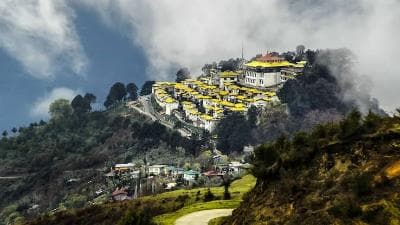
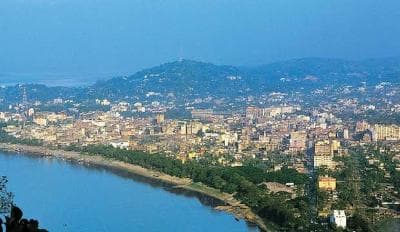
If you are planning a trip to Northeast India and want more than just viewpoints and monasteries, the grassland habitats of the Seven Sisters will give you a very different kind of experience. This guide is for travellers who want to understand where these open landscapes are found, what wildlife they support, when to go, and how to plan a practical trip without missing the details that matter.
The Seven Sisters region is known for forests, rivers, hills, and tea country, but its grasslands are just as important. From floodplain meadows in Assam to wetland grass cover in Manipur and open plains inside protected areas, these habitats are home to rhinos, swamp deer, water birds, butterflies, and seasonal migratory species. If you like photography, birding, or slow travel, this article will help you build a focused itinerary.
What makes the Seven Sisters grasslands special
When people hear “grassland,” they often imagine dry plains. In the Seven Sisters, grasslands are more varied. Some are floodplain grasslands that change with the Brahmaputra and its tributaries. Others are wet meadows around marshes and lakes, while some are rolling open patches inside forested landscapes. These habitats appear in Assam, Arunachal Pradesh, Manipur, Meghalaya, Mizoram, Nagaland, and Tripura, though Assam has the largest and best-known tracts.
What makes them important is the mix of water, seasonal flooding, and wildlife movement. In many places, grass grows tall after the monsoon and attracts herbivores. In winter, when the water recedes, birds gather in large numbers. That seasonal rhythm is what gives the region its character, and it is also why timing your trip matters so much.
Best places to see grassland habitats in the Seven Sisters
Assam: the main grassland stronghold
Assam is where most travellers should begin. Kaziranga National Park is the best-known name, and for good reason. Its tall elephant grass, marshes, and open floodplains support one-horned rhinoceros, swamp deer, wild buffalo, hog deer, elephants, and a huge range of birds. Jeep safaris are usually the easiest way to explore, and most travellers stay in the Kohora or Bagori areas.
Manas National Park is another excellent choice. It has a beautiful mix of grassland, riverine forest, and foothill views near the Bhutan border. If you enjoy wildlife with fewer crowds, Manas can feel calmer than Kaziranga. Orang National Park, sometimes called the “Mini Kaziranga,” also has important grassland sections and is useful for travellers who want a shorter, quieter wildlife stop.
For birders, Dibru-Saikhowa National Park in Upper Assam is a strong option. It is more famous for riverine islands and wetlands, but its open grass-covered patches and seasonally flooded plains attract birds and offer a very different landscape from the larger parks. Nearby, the Brahmaputra char areas also show how dynamic these habitats can be, though access depends on local conditions.
Manipur: wetland-linked grasslands
In Manipur, grassland habitat is closely tied to wetlands and the famous floating marsh ecosystem of Keibul Lamjao National Park on Loktak Lake. While this is not a classic floodplain grassland, its open vegetation supports the endangered sangai, or brow-antlered deer, along with many birds and aquatic species. The landscape is fragile and seasonally sensitive, so careful travel is important here.
Arunachal Pradesh: open meadows and river plains
Arunachal Pradesh is more mountainous overall, but you will still find important open grassland-like areas in river valleys and lower foothills. In places near Pakke, Namdapha, and the river corridors in the eastern belt, open patches support deer, birds, and butterflies. These are not always easy to explore as standalone “grassland” sites, but they matter if you are combining wildlife with broader landscape travel.
Meghalaya, Mizoram, Nagaland, and Tripura
These states are better known for forests, hills, and living root bridges, but they also contain smaller grassland habitats in valleys, plateau edges, wetlands, and village landscapes. In Meghalaya, open meadows around highland areas and wetland margins can be rewarding for birding. In Mizoram, grass-covered slopes and open areas near forest edges change with season and rainfall. Nagaland and Tripura have more fragmented grassland patches, often best seen as part of a wider nature itinerary rather than a dedicated grassland trip.
Wildlife you can expect in these habitats
Grassland habitats in the Seven Sisters are especially valuable for large mammals and birds. In Assam, the headline species are one-horned rhinoceros, Asian elephant, swamp deer, wild water buffalo, and, in some landscapes, the Bengal florican and other grassland birds. You may also spot hog deer, wild boar, python, and raptors moving over the reeds and tall grass.
Birdwatchers should look out for herons, storks, ibises, adjutants, lapwings, egrets, kingfishers, and migratory species that arrive in the cooler months. In wet grasslands and marsh edges, the bird activity is especially strong from November to March. If you are carrying binoculars, you will get far more out of the trip.
In Manipur, the draw is more specialised. The sangai is the star species, and the wet grassland around Loktak makes this area distinctive. In Arunachal and the smaller northeastern states, the bird list may be more interesting than the mammal list, especially if you enjoy photographing open-country species against hill backdrops.
When to go for the best grassland experience
The best time to explore most grassland habitats in the Seven Sisters is from November to April. In this period, floodwaters recede, safaris become easier, and birds concentrate around water bodies and open fields. For Kaziranga, many travellers prefer December to March because visibility is often better and the weather is more comfortable.
The monsoon months from May to September bring heavy rain, flooded roads, and seasonal park closures in many areas. This is when grasslands regenerate, but travel becomes difficult and some reserves shut for safety. If you are specifically interested in lush green growth and dramatic rain-fed landscapes, early monsoon can be appealing, but only if you are flexible and prepared for disruptions.
October is a transition month in many places. It can be a good shoulder season, but exact access depends on park openings, local flood conditions, and road status. Always confirm before booking safaris or accommodation.
| Destination | Best months | Typical stay | Travel note |
|---|---|---|---|
| Kaziranga, Assam | November to April | 2 nights | Best for rhino and grassland safaris |
| Manas, Assam | December to March | 2 nights | Quieter wildlife experience |
| Keibul Lamjao, Manipur | October to March | 1-2 nights | Wetland-linked grass habitat |
| Dibru-Saikhowa, Assam | November to March | 1-2 nights | Good for birds and river landscapes |
How to plan a practical grassland trip
A focused grassland itinerary usually works best as a 5-7 day trip. If you are short on time, pick one base in Assam and one in Manipur. If you have more time, combine two wildlife destinations with a cultural stop in Guwahati or Shillong.
Guwahati to Kaziranga is roughly 190 km and usually takes 4.5 to 6 hours by road depending on traffic and weather. Guwahati to Manas is around 180 km to 220 km depending on your entry point and can take about 5 to 7 hours. Guwahati to Tezpur and Orang is shorter, making it a useful add-on for a compact itinerary. For Manipur, Imphal to Loktak Lake is around 45 km and usually takes about 1.5 to 2 hours.
For accommodation, budget stays near major parks may start around ?1,500-?3,000 per night, while mid-range wildlife lodges are often in the ?4,000-?9,000 per night bracket. Higher-end properties can cost more, especially during peak season. Jeep safari costs, guide charges, and boat rides vary by park and operator, so treat all prices as indicative and confirm locally before payment.
What to pack and how to travel responsibly
Grassland travel is often about early mornings, long drives, and open vehicle safaris, so pack accordingly. Bring light layers for cool dawn starts, a cap, sunscreen, insect repellent, a reusable water bottle, and binoculars. Neutral-coloured clothing works best for wildlife viewing. In winter, a warm jacket is useful because morning safaris can feel cold, especially in Assam.
- Binoculars: very useful for birds and distant mammals
- Rain protection: a compact poncho or waterproof cover
- Footwear: comfortable shoes for uneven paths and wet ground
- Camera gear: keep dust and moisture protection ready
- Documents: carry ID proof for safaris and check permit rules
Responsible travel matters here because these habitats are fragile. Stay on permitted tracks, do not ask drivers to get too close to animals, and avoid loud conversations during safaris. If you are visiting local villages around parks, buy food and crafts from community-run stalls where possible. That helps tourism support conservation instead of just consuming scenery.
Suggested itinerary for a first-time traveller
- Day 1: Arrive in Guwahati and transfer to Kaziranga.
- Day 2: Morning and afternoon safari in Kaziranga, focusing on grassland zones and water edges.
- Day 3: Drive to Manas or Orang, depending on your time and interest.
- Day 4: Birding, river views, and a second wildlife outing.
- Day 5: Return toward Guwahati or continue to Manipur if you have more days.
- Day 6-7: Add Loktak Lake and Keibul Lamjao for a wetland-grassland contrast.
This route works because it balances travel time with habitat variety. You are not rushing from one state to another every day, and you still get a clear sense of how grasslands change across the Seven Sisters. If you prefer a calmer pace, keep it to just Assam and Manipur.
Frequently Asked Questions
Are the Seven Sisters grasslands only in Assam?
No, but Assam has the most prominent and accessible grassland habitats. You will also find grassland-linked ecosystems in Manipur, Arunachal Pradesh, Meghalaya, Mizoram, Nagaland, and Tripura, though they are often smaller or mixed with other landscape types. For a first trip, Assam is the easiest place to start.
Which place is best for seeing rhinos in grasslands?
Kaziranga National Park is the best-known choice for one-horned rhinoceros in grassland habitat. Orang is another option if you want a quieter experience with a similar feel, though the overall safari experience may differ. Always confirm safari zones and timing before you go.
Is it possible to do a grassland-focused trip without a long holiday?
Yes. A 3-4 day trip can cover one major destination such as Kaziranga or Manas. If you want a broader experience across the region, 5-7 days is more realistic. Travel time between parks can be significant, so it helps to choose one or two bases instead of chasing too many places.
Are these grassland areas good for birdwatching?
Very much so, especially from November to March. Wet grasslands, marsh edges, and river plains attract both resident and migratory birds. If birdwatching is your priority, plan early mornings and carry binoculars with a field guide or birding app.
Do I need permits or special bookings?
In many protected areas, safari permits, guide bookings, and vehicle arrangements are required. Rules vary by park and can change seasonally, so you should confirm locally before booking. It is always safer to use registered operators and check the latest park timings.
What is the biggest mistake travellers make here?
The most common mistake is underestimating distance and road time. Another is visiting in the wrong season and expecting full access when rains or closures affect travel. If you plan around weather, book with buffer time, and keep expectations flexible, the trip will be much smoother.
The grassland habitats of the Seven Sisters are among the region’s most distinctive landscapes, and they reward travellers who slow down and look closely. If you plan well, you can combine wildlife, birding, and local culture in one trip without feeling rushed.
If this guide helped you plan better, share the post with someone who is putting together a Northeast India itinerary.
Planning a Seven Sisters trip?
Tell us your dates and who is travelling. Up to three local travel companies send you their itinerary and price.
Get free quotesDisclaimer: The information in this blog is for general information only. We try to keep it accurate and up to date, but TravelSetu accepts no liability for errors or omissions. If you believe any part of it infringes your rights, please write to info@travelsetu.com.