If you are planning a journey through the Northeast and want a trip that feels slower, fresher, and more scenic than the usual circuit, the pine forest belts across the Seven Sisters deserve a place on your list. This guide is for Indian travellers who want to know where these pine stretches are found, when to go, how to move between them, and what kind of experience to expect in each state.
The Seven Sisters—Arunachal Pradesh, Assam, Manipur, Meghalaya, Mizoram, Nagaland, and Tripura—do not share one continuous pine belt, but they do offer several distinct pine-covered landscapes, from hill roads lined with tall chir pines to cool forests above small mountain towns. If you are building a Northeast itinerary, this article will help you compare the best pine areas and plan them smartly.
Why the Pine Forest Belts of the Seven Sisters Feel Different
Pine forests in Northeast India are not just about trees. They shape the air, the soundscape, the light, and even the pace of travel. In many parts of the Seven Sisters, pine grows on higher slopes, ridges, and roadside hills where the climate is cooler and drier than the valleys below. That means you often move from tea gardens, river plains, or subtropical forests into long, open pine stretches within a few hours.
What makes these belts special is their variety. In some places, pines stand above monasteries and mountain towns. In others, they line winding roads, picnic points, and viewpoints with broad valley views. If you enjoy driving holidays, photography, birdwatching, or quiet walks, these forest belts can become the best part of your itinerary.
Best Pine Forest Belts Across the Seven Sisters
Arunachal Pradesh: Tawang, Dirang, and Bomdila belt
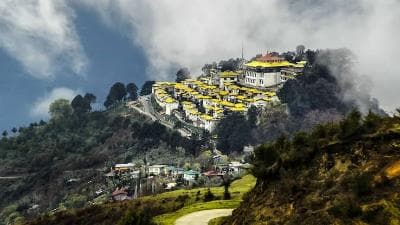
Arunachal Pradesh has some of the most dramatic pine-covered highlands in the region. The stretch between Bomdila, Dirang, and Tawang is especially good if you want long mountain drives with deodar and pine appearing along the road, often at elevations that give you clear views and crisp air. Tawang itself is more about alpine scenery, monasteries, and high-altitude landscapes, but the approach roads pass through forested slopes that feel very different from lowland Assam.
If you are starting from Guwahati, the road journey to Bomdila usually takes around 10-12 hours by road under normal conditions, and Tawang is another 6-7 hours from there depending on stops and weather. In winter, road conditions can change quickly, so buffer time is important. Travel permits for Arunachal are also required for most Indian visitors, so check the latest rules before you book.
Meghalaya: Shillong, Mawphlang, and Shillong Peak side roads
Meghalaya is one of the easiest places to experience pine forests without going too far off the tourist track. Around Shillong, pine trees line hill roads, viewpoints, and slopes leading toward areas like Shillong Peak, Ward’s Lake side routes, and the road toward Mawphlang. These are not dense Himalayan forests in the classic sense, but they are atmospheric and very accessible.
Mawphlang is particularly pleasant for a half-day outing from Shillong, with forest walks and nearby cultural stops. If you prefer a relaxed trip with cafés, local food, and short drives between viewpoints, Meghalaya is probably the most comfortable introduction to the pine belts of the Seven Sisters. Shillong is around 1.5-2 hours from Guwahati by road, depending on traffic and weather.
Nagaland: Kohima, Jotsoma, and the hill ridges
Nagaland has a strong hill-town feel, and the pine forests around Kohima and nearby ridges add to that character. The roads around Jotsoma and the outer approaches to Kohima often open into pine-lined slopes and long views over the hills. If you are travelling during the winter months, the cool weather and clear skies can make the forest roads especially enjoyable.
Kohima works well as a base for both sightseeing and short forest drives. Many travellers combine it with Dzükou Valley, Khonoma, and local village visits. For a pine-focused plan, keep at least 2 nights in Kohima so you can explore without rushing between stops.
Mizoram: Aizawl and the surrounding hill roads
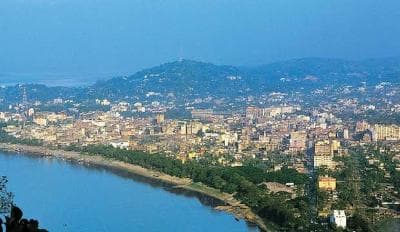
Mizoram’s capital, Aizawl, sits on a series of hills, and pine trees appear in many of the higher reaches and roadside stretches around the city. The forest feel here is different from the larger mountain belts of Arunachal or Nagaland. It is more urban-hill in character, with viewpoints, local markets, and winding roads all sharing space with tall trees and cool air.
This is a good destination if you want a calm city stay with scenic drives rather than remote forest trekking. Most visitors spend 2-3 nights in Aizawl and add nearby sightseeing depending on road conditions and local access. As with much of the Northeast, it is wise to confirm movement restrictions and local timings before planning a tight schedule.
Tripura: Jampui Hills and higher forest pockets
Tripura is often overlooked, but Jampui Hills in the northern part of the state is one of the most rewarding places for forested hill views. The area is known for its cool climate, orange orchards, and long wooded slopes, with pine appearing in the landscape on higher ridges and along the hill road. The experience here is quieter than in more famous hill stations, which is part of its charm.
If you want a slower Northeast trip with fewer crowds, Tripura can be a thoughtful addition. Agartala is the main entry point, and Jampui Hills typically requires a road journey of several hours, so it is best treated as an overnight hill stay rather than a quick detour.
Manipur and Assam: Pine patches, hill edges, and mixed forest routes
Manipur and Assam are not known for broad pine belts in the same way as the hill states above, but both have important pine-covered stretches and hill road sections worth noting. In Manipur, the hill districts and higher routes around places like Ukhrul and Senapati can show pine and mixed coniferous cover depending on the elevation and route. In Assam, pine is more visible in the higher adjoining hill corridors near the border areas and on routes that lead toward the hill states.
If you are making a multi-state route from Guwahati, these sections often serve as transition landscapes rather than standalone pine destinations. They still matter, because they add variety to the drive and help you understand how the ecology changes across the Seven Sisters.
When to Visit for the Best Pine Experience
The best time to enjoy pine forest belts across the Seven Sisters is usually from October to April. During these months, the air is clearer, the hills are more comfortable for road travel, and the forest views are sharper. November to February is especially good for crisp mornings and long visibility in places like Shillong, Kohima, and Bomdila.
Monsoon months, roughly June to September, bring lush greenery, but they also bring landslides, slippery roads, and travel delays in hill states. If you are planning a scenic road trip rather than a short city stay, avoid packing too many long drives into the rainy season. In higher areas of Arunachal and Nagaland, winter can bring very cold nights, so carry layers even if your daytime plan seems relaxed.
How to Plan a Pine Forest Itinerary
A practical itinerary works better than trying to cover too much. The Seven Sisters are connected by long road distances, and forest belts are often best enjoyed when you slow down. If you are flying in, Guwahati is the most convenient base for most travellers, with easy onward road access to Meghalaya and decent connections toward Arunachal and Nagaland.
Suggested trip lengths
- 3-4 days: Shillong, Mawphlang, and nearby pine viewpoints
- 5-6 days: Shillong plus Kohima or Cherrapunji side roads
- 7-9 days: Arunachal’s Bomdila-Dirang-Tawang route with careful road buffers
- 10-12 days: A multi-state circuit covering Meghalaya, Nagaland, and one hill destination in Arunachal or Mizoram
If you want a comfortable pace, keep your daily road runs under 6-7 hours when possible. In the hills, even a 180 km drive can take most of the day. That is normal in this region, and it is better to plan for longer travel than to force back-to-back transfers.
What It Costs to Travel These Belts
Costs vary by season, road access, and how remote your chosen destination is. Meghalaya is generally the easiest on the budget, while far-flung Arunachal routes can become expensive because of longer transfers and limited accommodation options. These are realistic rough ranges for Indian travellers, but please confirm current rates before booking.
| Expense | Indicative range | Notes |
|---|---|---|
| Budget hotel / homestay | ?1,200-?3,000 per night | Common in Shillong, Kohima, Aizawl, and some parts of Arunachal |
| Mid-range stay | ?3,500-?7,000 per night | Better rooms and views in popular hill towns |
| Private cab | ?3,500-?7,500 per day | Higher for longer hill routes or remote transfers |
| Local meals | ?250-?700 per person | Depends on city, café, or homestay dining |
| Permits and entry fees | Variable | Especially relevant in Arunachal and some protected or local areas |
For a comfortable 5-7 day pine-focused Northeast trip, many travellers should plan roughly ?18,000-?45,000 per person excluding flights, depending on transport style and hotel category. A more remote Arunachal-heavy plan can go higher.
Travel Tips for a Smooth Trip
- Carry warm layers: Even if you start from a warm city, evenings in the hills can feel cold.
- Book road transport in advance: Good drivers and reliable vehicles matter on narrow hill routes.
- Keep buffer time: Landslides, fog, and road repairs can affect schedules.
- Check permits early: Arunachal especially needs advance attention from Indian travellers.
- Start drives early: Morning roads are usually calmer and visibility is better.
- Respect local forests: Avoid litter, loud music, and off-trail walking in sensitive areas.
If you enjoy photography, the best light in pine forests often comes early in the morning and again before sunset. The long shadows on the road and the slanting light through the trees can make even a short drive feel memorable. Carry a water bottle, basic medicines, and offline maps where possible, because hill connectivity can be patchy.
Frequently Asked Questions
Which Seven Sisters state is best for pine forests?
Meghalaya is the easiest and most accessible if you want pine trees without difficult logistics. Arunachal Pradesh offers the grandest mountain-pine scenery, especially on routes like Bomdila, Dirang, and Tawang. Nagaland and Mizoram also offer beautiful hill-road pine stretches, but the best choice depends on how much time you have.
Can I do a pine forest trip from Guwahati?
Yes, Guwahati is the most practical base for several pine-focused trips. You can reach Shillong in about 1.5-2 hours, and from there continue to other Meghalaya forest routes. Longer trips to Arunachal or Nagaland also often begin from Guwahati by road.
Are the pine forest belts good for family travel?
Yes, many of them are family-friendly, especially Meghalaya and parts of Nagaland or Mizoram where road access is manageable. If you are travelling with children or older parents, keep drives short and choose comfortable stays in towns rather than isolated forest edges. For remote hill routes, plan extra rest stops.
Do I need a permit for all Seven Sisters states?
No, not for all of them. Arunachal Pradesh usually requires an Inner Line Permit for Indian travellers, while rules in other states vary by area and activity. Always check the latest local requirements before booking, since rules and processes can change.
What is the best season for photography in these pine belts?
October to February is often the best window because the skies are clearer and the forests look crisp in the cool light. March and April can also be lovely, with pleasant weather and fewer travel disruptions. During monsoon, the greenery is richer, but the weather is less dependable.
Are these forests suitable for trekking?
Some areas are great for light forest walks, while others are better suited to road sightseeing and short viewpoints. Meghalaya and parts of Nagaland offer easier walking options, while Arunachal can include more demanding terrain depending on the route. Choose activities based on local guidance and weather conditions.
Conclusion
The pine forest belts of the Seven Sisters are less about one single destination and more about a sequence of mood changes across the Northeast: road bends, cool air, hillside towns, and long tree-lined stretches that make travel feel unhurried. If you plan well and leave space for road time, these landscapes can turn a simple holiday into one of the most rewarding journeys in India.
If this guide helped you plan better, please share the post with fellow travellers who are considering a Northeast trip.
Planning a Seven Sisters trip?
Tell us your dates and who is travelling. Up to three local travel companies send you their itinerary and price.
Get free quotesDisclaimer: The information in this blog is for general information only. We try to keep it accurate and up to date, but TravelSetu accepts no liability for errors or omissions. If you believe any part of it infringes your rights, please write to info@travelsetu.com.