If you are planning a Northeast India trip and want dramatic valleys, river-carved gorges, misty viewpoints, and long scenic drives, the Seven Sisters region deserves a close look. This guide is for Indian travellers who want to understand the canyon-like landscapes across Arunachal Pradesh, Assam, Meghalaya, Manipur, Mizoram, Nagaland, and Tripura, and how to plan them into one memorable trip.
Instead of rushing from state to state, you will get a practical sense of where the most striking canyon scenery appears, the best months to go, how long to stay, what it costs, and what kind of road conditions to expect. Think of it as a trip-planner for travellers who love landscapes more than rushed sightseeing.
What “Seven Sisters Canyon Landscapes” really means
The Seven Sisters are not known for one single canyon in the classic sense. What makes the region special is the chain of deep river valleys, steep limestone cliffs, forested gorges, and winding mountain roads that create canyon-like views in several states. In Meghalaya, you will see dramatic limestone formations and deep valleys around Cherrapunji and Jowai. In Arunachal Pradesh, the Siang and Subansiri river corridors open into broad, rugged gorges. Nagaland, Mizoram, and Manipur add hill-cut valleys and ridge roads that feel equally scenic.
For many Indian travellers, this is the kind of landscape that works best as a road trip: short stops, long vistas, tea breaks with views, and time to enjoy the changing terrain. The key is not to chase too many places in one go. Give the landscapes time to unfold.
Best states for canyon-style views in the Seven Sisters
Meghalaya: gorges, cliffs, and limestone country
If you want the most accessible canyon-like scenery, start with Meghalaya. The drive from Shillong to Cherrapunji passes rolling hills that suddenly drop into deep green valleys, with waterfalls cutting through rocky slopes. Around Mawkdok Dympep Valley Viewpoint, the landscape opens into a broad gorge that looks especially good in the monsoon and post-monsoon months.
Jowai and the surrounding West Jaintia Hills are also excellent for travellers who like open valleys and rugged river landscapes. The Umngot River area near Dawki is not a canyon in the strict sense, but the steep riverbanks and clear water give you a very dramatic valley experience.
Arunachal Pradesh: big river valleys and mountain corridors
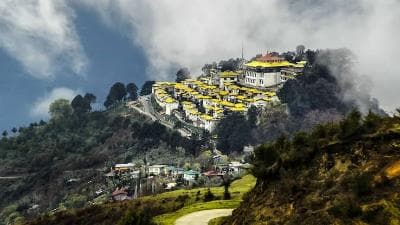
Arunachal Pradesh offers some of the most expansive landscapes in the Northeast. The Siang belt around Pasighat and the routes deeper toward Along and Yinkiong have steep hill faces, fast rivers, and wide valley views. The scale here is larger than Meghalaya, and the roads can feel remote, which adds to the appeal for travellers who enjoy long-distance scenic drives.
The Tawang route is more about high mountain passes and dramatic ridgelines than canyon walls, but the valleys around Dirang and Bomdila are worth including if you are building a broader landscape itinerary.
Mizoram and Manipur: sharp ridges and deep folds
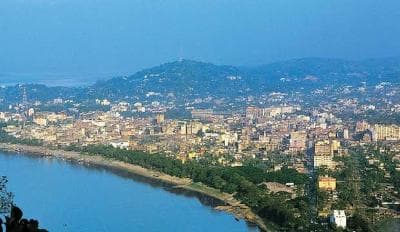
Mizoram’s road network is full of hill curves, steep drops, and long views across forested folds. Places around Aizawl, Reiek, and the road toward Lunglei can feel very canyon-like when the light is good. In Manipur, the surrounding hill districts and valley transitions offer a softer version of the same experience, especially around Imphal valley excursions and routes toward Ukhrul.
Nagaland and Tripura: quieter scenic contrasts
Nagaland’s appeal lies in elevated roads, sharp ridges, and wide valleys around Kohima, Dzükou access routes, and the drive toward Mokokchung. Tripura is less dramatic in canyon terms, but the terrain around Jampui Hills and the rock-cut forest roads adds a pleasant scenic balance if you are combining states.
Best time to see the landscapes at their best
The Seven Sisters are strongly seasonal, and the same valley can look completely different from one month to another. If you want clear views and easier road travel, October to April is usually the safest window. The post-monsoon months of October and November often give the cleanest skies, fresh greenery, and flowing waterfalls without too much fog.
December to February is good for clear mountain air, but some higher routes can be cold, especially in Arunachal Pradesh and Nagaland. March and April bring pleasant travel weather and spring colour. The monsoon, roughly June to September, can be beautiful for waterfalls and river volume, but landslides, road delays, and low visibility become a real issue, especially in hill districts. Always check local conditions before booking, because Northeast weather can change quickly.
How to plan a road-trip style itinerary
The Seven Sisters work best as a layered trip. If you only have 5-6 days, pick one state. If you have 8-12 days, combine two or three connected landscapes. A rushed multi-state loop will leave you on the road too much and at viewpoints too little.
Sample 6-day Meghalaya landscape trip
- Day 1: Arrive in Shillong, local sightseeing, overnight in Shillong.
- Day 2: Shillong to Mawkdok Dympep Valley and Cherrapunji, overnight in Cherrapunji.
- Day 3: Cherrapunji waterfalls and limestone areas, overnight in Cherrapunji or Shillong.
- Day 4: Shillong to Jowai, scenic river and valley stops, overnight in Jowai or Shillong.
- Day 5: Dawki and surrounding river landscapes, overnight in Shillong.
- Day 6: Departure.
Sample 8-10 day extended Northeast landscape trip
Combine Meghalaya with Assam for a smoother plan, or Meghalaya with Arunachal if you are comfortable with longer road travel. A practical route is Guwahati, Shillong, Cherrapunji, Dawki, then back via Guwahati. Another option is Guwahati, Bhalukpong, Dirang, Tawang, and return if you want the mountain-scale version.
As a rule, expect 4-8 hours of road travel on movement days, depending on stops and traffic. In the Northeast, even 150 km can take longer than you expect because the roads encourage frequent halts for tea, photos, and weather delays.
Getting there and getting around
For most travellers, Guwahati is the easiest gateway to the Seven Sisters. It has the best flight connections and works well as a starting point for Meghalaya, Arunachal Pradesh, and Nagaland trips. From Guwahati, Shillong is about 100 km and usually takes 3-4 hours by road, while Cherrapunji is roughly 55 km farther from Shillong and can take 2-3 hours depending on traffic and weather.
If you are heading to Arunachal Pradesh, you may need to pass through permit formalities and longer road transfers. Road transport is usually the most practical way to see canyon landscapes in the region. Shared taxis, private cars, and pre-booked tour vehicles are the most convenient options for Indian travellers. Public transport exists, but it is slower and less flexible for scenic stops.
For a comfortable trip, budget for a private vehicle if your itinerary includes multiple viewpoints, waterfalls, and remote valleys. Fuel stations are available on main routes, but once you move deeper into hill areas, it is wise not to let the tank run low.
Where to stay and what it costs
Stay in Shillong if you want better food choices, easier transport, and a comfortable base for day trips. Choose Cherrapunji if you want to wake up closer to the cliffs and waterfalls. In Arunachal Pradesh, towns like Tawang, Dirang, Bomdila, and Pasighat are practical stopovers depending on your route. In Nagaland, Kohima is the most straightforward base. In Mizoram, Aizawl works well for most visitors.
Indicative hotel and homestay prices vary by season and location. A decent budget stay may cost ?1,200-?2,500 per night. Mid-range hotels and well-kept homestays usually fall around ?2,500-?4,500 per night. During peak holiday periods and festival dates, rates can climb higher, so it is better to book early, especially in Shillong, Tawang, and Aizawl.
Food is usually reasonably priced. Expect ?150-?300 for a simple meal at a local eatery and ?400-?800 per person at a more comfortable restaurant. If you are staying in remote areas, dining options may be limited after dark, so plan dinner timing carefully.
Permits, road realities, and safety tips
Some parts of the Seven Sisters require permits, especially Arunachal Pradesh for Indian travellers. The rules can change, and the process may depend on the route, nationality, and current policy. Confirm the latest permit requirements before booking your tickets, particularly if you plan to visit border areas or remote districts.
Road conditions in the Northeast are part of the experience. Expect sharp curves, occasional landslides in monsoon months, and reduced speed in fog or rain. Start early in the day for long drives so you reach your destination before dark. If you are prone to motion sickness, carry your usual medicine because mountain roads can be tiring.
Also, keep cash handy. Digital payments work in many towns, but not everywhere. Network coverage can dip in hill sections, so download maps offline and share your itinerary with family before setting out.
What to pack for canyon and valley travel
- Light layers for changing weather, especially in Shillong, Tawang, and Kohima
- A rain jacket or compact umbrella if you are travelling between May and September
- Good walking shoes with grip for wet viewpoints and uneven paths
- Power bank, offline maps, and a small flashlight
- Basic medicines for fever, nausea, and stomach upset
- Cash for tolls, small eateries, local taxis, and entry fees where applicable
A small backpack is easier than a large suitcase if your trip involves multiple road transfers. If you want better flexibility for photo stops, travel light and keep your essentials accessible.
Frequently Asked Questions
Which Seven Sisters state is best for canyon landscapes?
Meghalaya is usually the easiest and most rewarding starting point for canyon-like views because the scenic drives are accessible and the viewpoints are well known. Arunachal Pradesh offers grander, larger-scale valley landscapes, but it needs more time and planning. If you want a first trip, Meghalaya is the most convenient choice.
How many days do I need for a landscape-focused trip?
For one state, keep at least 4-6 days. For a multi-state road trip, 8-12 days is more realistic if you want to enjoy the scenery instead of just moving between towns. The Northeast rewards slower travel, so add buffer time if you are visiting during monsoon or around festivals.
Is the monsoon a good time to visit?
Monsoon can be beautiful if you love waterfalls, mist, and deep green valleys. However, it also brings road delays, landslide risk, and low visibility in some hill areas. If you are travelling for comfort and clear views, post-monsoon months are safer and more reliable.
Do I need a private car for this trip?
A private car is not mandatory, but it makes a big difference if you want to stop often at viewpoints and cover multiple places in a day. Shared transport is available on some routes, yet it is less flexible. For families and small groups, hiring a car is often the most practical option.
Are these places suitable for older travellers or children?
Yes, if you plan the trip carefully and avoid too many long travel days in a row. Choose comfortable stays, keep drive times reasonable, and do not overload the itinerary with remote locations. The main challenge is the road terrain, so motion sickness and fatigue should be considered in advance.
What kind of budget should I expect?
For a comfortable 5-6 day trip, many travellers spend around ?18,000-?35,000 per person, depending on hotel category, vehicle choice, and season. Budget travel can be lower if you use shared transport and simpler stays, while premium road trips will cost more. Airfare is extra and varies widely from city to city.
Conclusion
The Seven Sisters are ideal if you enjoy landscapes that feel open, dramatic, and constantly changing. From Meghalaya’s cliff-edge views to Arunachal’s sweeping river valleys and Mizoram’s ridge roads, the region gives you far more than one type of scenic experience. Plan slowly, keep your route realistic, and you will come home with a trip that feels both refreshing and memorable.
If this guide helped you plan better, share the post with someone who is thinking about a Northeast India road trip.
Planning a Seven Sisters trip?
Tell us your dates and who is travelling. Up to three local travel companies send you their itinerary and price.
Get free quotesDisclaimer: The information in this blog is for general information only. We try to keep it accurate and up to date, but TravelSetu accepts no liability for errors or omissions. If you believe any part of it infringes your rights, please write to info@travelsetu.com.