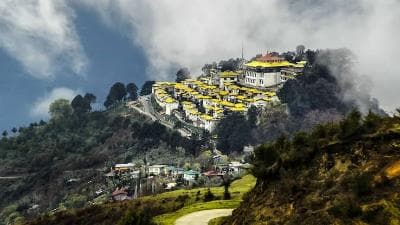
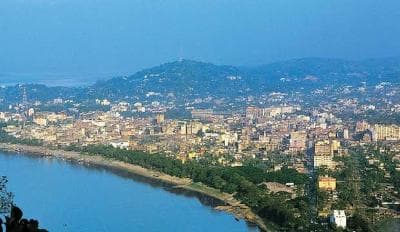
If you are planning a trip to the Seven Sisters and want more than scenic valleys and winding roads, the church architecture here gives you a very different lens on the region. From stone cathedrals in hill towns to small parish churches in village settings, you will see how faith, local craft, and colonial-era influence have shaped Northeast India in distinctive ways.
This guide is for travellers who enjoy heritage, quiet interiors, photography, and cultural history. You will get a practical overview of the most interesting church architecture across the Seven Sisters, how the styles differ from state to state, when to go, and how to plan a respectful, manageable trip.
Why Church Architecture Matters in the Seven Sisters
The Seven Sisters — Arunachal Pradesh, Assam, Manipur, Meghalaya, Mizoram, Nagaland, and Tripura — are known for varied ethnic communities and strong Christian traditions in several states. That means church architecture here is not one single style. Instead, you will find British-influenced cathedrals, local stonework, hilltop churches, bamboo-inspired structures, and modern parish buildings that reflect changing communities.
For many travellers, this is the most rewarding part: the churches are not only religious spaces, they are also cultural landmarks. In places like Shillong, Kohima, Aizawl, and Imphal, they sit at the centre of daily life. In smaller towns, they are often the best place to observe how local materials and local identity shape sacred architecture.
What Makes Seven Sisters Church Architecture Distinct
Colonial influence with local adaptation
Some of the region’s older churches show clear British and Portuguese influence, especially in their plans, arches, towers, and altar layouts. But local builders rarely copied these styles exactly. They adapted them to the hill climate, available materials, and community needs, which is why many churches look different from those in metro cities or the plains.
Stone, wood, bamboo, and corrugated roofs
In hill states, stone masonry and timber are common, while newer churches may use reinforced concrete with pitched roofs to handle heavy rain. In some rural churches, bamboo and wood details still appear in seating, ceilings, or decorative elements. The result is a practical architecture that still feels rooted in place.
Landscape-driven design
Many churches in the Seven Sisters are placed on ridges, hilltops, or open slopes. This is partly for visibility and community gathering, but also because the land itself shapes the building. You will often notice long stairways, elevated entrances, and views that make the church feel connected to the surrounding hills rather than separate from them.
The Best Places to See Church Architecture Across the Seven Sisters
| State | Key church sites | Why go |
|---|---|---|
| Meghalaya | Cathedral of Mary Help of Christians, Shillong; church clusters in Cherrapunjee area | Famous cathedral architecture and colonial hill-town atmosphere |
| Nagaland | Cathedral in Kohima; churches in Dimapur and village churches | Hilltop settings and strong community-led church design |
| Mizoram | Churches in Aizawl; Presbyterian and Baptist church buildings | Clean modern lines and dramatic hillback settings |
| Manipur | St. Joseph’s Cathedral, Imphal; older churches in hill districts | Blend of urban cathedral architecture and local parish character |
| Assam | Guwahati church buildings; tea-garden churches in some districts | Colonial-era and mission-era influences |
| Tripura | Churches in Agartala and surrounding areas | Quiet heritage stops with smaller but elegant structures |
| Arunachal Pradesh | Churches in Itanagar and district towns | Simple, modern churches shaped by a newer Christian presence |
Shillong, Meghalaya
Shillong is the easiest starting point if you want a concentrated look at church architecture in the Seven Sisters. The Cathedral of Mary Help of Christians is the landmark most travellers seek out. Set on a hill, it is known for its tall façade, balanced proportions, and quiet interior. You will also see that Shillong’s church buildings fit the city’s broader colonial hill-station character, especially in older neighbourhoods and near the centre.
Plan at least half a day here if you want to combine the cathedral with nearby heritage walks, cafés, and viewpoints. A simple city taxi for local sightseeing may cost around ?1,500-?3,000 for a half-day depending on distance and season.
Kohima, Nagaland
Kohima’s cathedral scene feels different from Shillong’s. The city’s church architecture is deeply tied to community life, with buildings often serving as gathering spaces as much as worship spaces. The hilltop setting gives many churches a layered look, with stairways, retaining walls, and wide forecourts that suit large congregations.
The city also has an understated elegance that rewards slow photography. If you are interested in details, look at the rooflines, stained glass, and the way entrances are positioned to handle steep terrain and heavy monsoon rain.
Aizawl, Mizoram
In Aizawl, church architecture is closely linked to the city’s neat, vertical layout. The town rises and falls along ridges, and churches often occupy prominent positions without trying to dominate the landscape. The result is a modern, clean, and community-oriented style rather than a heavily ornamented one.
If you are exploring Aizawl for 1-2 days, keep time for multiple churches rather than just one landmark. The variation between denomination-led buildings is part of the experience, especially if you enjoy observing how a city expresses its faith through restrained design and practical planning.
Imphal and hill districts, Manipur
Imphal gives you a good urban contrast. Churches here are often broader and more formal in appearance, especially the cathedrals and larger parish buildings. St. Joseph’s Cathedral is a notable stop for those tracing Christian architecture in the state. Outside the capital, hill district churches tend to be simpler and more closely tied to local community identity.
Manipur is especially worth visiting if you want to compare city church architecture with rural worship spaces in the same trip. That contrast tells you a lot about how the region balances tradition, mission history, and contemporary building methods.
Assam, Tripura, and Arunachal Pradesh
These states may not be the first names people mention when talking about church architecture, but they add useful depth to a Seven Sisters itinerary. In Assam, churches around Guwahati and older mission areas show how Christian institutions expanded in the Brahmaputra valley. In Tripura, churches in and around Agartala tend to be quieter but are worth a stop if you enjoy regional heritage.
Arunachal Pradesh offers more recent church architecture, especially in district towns and administrative centres. The designs are often plain, functional, and climate-conscious, which makes them interesting in a different way. Instead of elaborate ornamentation, you see how a community builds for weather, gathering, and long-term use.
Architectural Features You Should Look For
Façades and towers
Many churches in the Seven Sisters use a front-facing tower or gable that signals the building from a distance. In hill towns, that tower often becomes a landmark on the skyline. Pay attention to whether the façade is symmetrical, how the entrance is framed, and whether the tower serves more as a visual marker or an actual bell structure.
Roof design for heavy rain
Because the region gets intense monsoon rainfall, pitched roofs are common. In older buildings, you may see steep slopes, tin sheets, or layered roofing that drains water quickly. This practical response to climate is one of the most revealing parts of the architecture.
Interiors
Inside, look for wooden pews, simple painted altars, stained glass, and local decorative choices. Many interiors are designed for clarity and communal worship rather than heavy decoration. If a church hosts large congregations, the seating layout and acoustics will tell you almost as much as the exterior design.
Material choices
Stone and brick appear in older or more formal structures, while concrete dominates newer ones. In some areas, timber details remain important for ceilings, window frames, and doors. The materials usually reflect what is locally available and how much maintenance a community can support.
When to Visit and How Much Time You Need
The best time to explore church architecture across the Seven Sisters is usually October to April, when roads are more manageable and hill-town weather is pleasant. Monsoon months, especially June to September, can still be beautiful, but heavy rain may slow travel and reduce visibility for photography.
If you are focusing only on one city like Shillong, Kohima, or Aizawl, 1-2 days is enough for a meaningful church trail. If you want a broader Seven Sisters circuit, plan at least 7-10 days, because inter-state travel is slower than it looks on a map. A road journey between major hill cities can easily take 4-8 hours, depending on terrain and checkpoints.
Suggested Short Itinerary for Church Architecture Lovers
- Shillong: Start with the Cathedral of Mary Help of Christians and nearby heritage streets.
- Guwahati: Use it as a transit stop and explore a few church interiors if time permits.
- Kohima: Spend a day on cathedral visits and hilltop viewpoints.
- Imphal: Add St. Joseph’s Cathedral and nearby city landmarks.
- Aizawl: End with multiple churches to compare modern styles and city planning.
This route works best if you are combining architecture with cultural sightseeing. If you only have a long weekend, choose one city and explore it deeply rather than rushing across states.
Practical Travel Tips
- Dress modestly: Wear clothes that cover shoulders and knees, especially if you plan to enter active worship spaces.
- Check service times: Avoid walking in during mass or prayer unless visitors are clearly welcome.
- Ask before photographing interiors: Some churches allow photos freely, but others prefer restrictions.
- Use local transport: In hill towns, taxis are usually the easiest option. Local sightseeing can cost ?1,500-?4,000 per day depending on the city and vehicle type.
- Keep buffer time: Roads may slow down because of weather, landslides, or traffic in town centres.
Where to Stay and What Budget to Expect
For most travellers, comfortable stays in Shillong, Kohima, Aizawl, and Imphal usually fall around ?2,000-?5,500 per night for decent mid-range hotels or guesthouses. In busier travel months, prices can rise, so it helps to book early. Budget stays may start around ?1,000-?1,800 per night, while better boutique options in city centres can go higher.
Food is generally affordable. A simple meal in local restaurants may cost ?150-?400 per person, while more comfortable cafés and hotel dining can cost more. If you are planning a photography-focused trip, staying near the city centre often saves transport time and makes early-morning church visits easier.
Frequently Asked Questions
Which state in the Seven Sisters is best for church architecture?
Meghalaya is often the easiest and most rewarding starting point, especially Shillong, because the cathedral and the city’s heritage feel are strong. Nagaland and Mizoram are excellent too if you want to compare hilltop and modern community church designs. For a broader understanding, combine at least two or three states.
Can I visit churches as a tourist without attending services?
Yes, many churches welcome visitors during non-service hours, especially if you are respectful and quiet. It is still best to check local timings and avoid interrupting prayer or mass. When in doubt, ask a caretaker or parish office before entering the main worship area.
Are there entry fees for churches in the Seven Sisters?
Most churches do not charge an entry fee. Some may appreciate donations, and a few heritage or cathedral complexes may have small contributions for maintenance. Keep some cash handy, as smaller places may not have card facilities.
Is photography allowed inside these churches?
That depends on the individual church. Exterior photography is usually easier, but indoor photography may be restricted during worship or near the altar. Always ask first, and avoid using flash unless permission is clearly given.
How many days should I keep for a church architecture trip?
If you want a focused trip in one city, 1-2 days is enough. For a meaningful multi-state plan across the Seven Sisters, 7-10 days is more realistic because road travel takes time. A slower itinerary will give you better architecture viewing and less fatigue.
Is the region safe for solo travellers visiting churches?
In the main cities and well-travelled areas, many solo travellers visit without issue, but you should still use normal precautions. Start early in the day, keep local transport contacts ready, and avoid isolated routes after dark. Weather and road conditions matter as much as personal safety here, so always check locally before setting out.
Conclusion
Church architecture in the Seven Sisters is not about one famous building or one fixed style. It is about how each state expresses faith, climate, community, and history through design. If you travel slowly and look closely, you will find that the churches here are some of the most revealing places to understand the region.
If this guide helped you plan your trip, share the post with fellow travellers who want to explore the Seven Sisters beyond the usual sightseeing circuit.
Planning a Seven Sisters trip?
Tell us your dates and who is travelling. Up to three local travel companies send you their itinerary and price.
Get free quotesDisclaimer: The information in this blog is for general information only. We try to keep it accurate and up to date, but TravelSetu accepts no liability for errors or omissions. If you believe any part of it infringes your rights, please write to info@travelsetu.com.