Places To Visit Near Daegu Arboretum (Daegu) Within 100kms In 2026 - 2027
Arboretum/Botanical Garden
Places near Daegu Arboretum

Busan, the second-largest city in South Korea, is a bustling metropolis set on the southeastern tip of the Korean peninsula. It's notably renowned for its…
More about Busan →
Daegu, also spelled Taegu and officially known as Daegu Metropolitan City, is the fourth-largest city in South Korea. It is located in the southeastern part of…
More about Daegu →
Donghwasa Temple
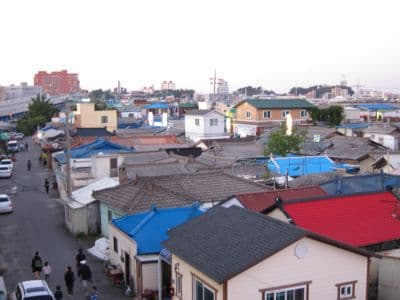
Villages (2)
Gyeongju, historically known as Seorabeol, is a city located in the southeastern part of South Korea. Once the capital of the ancient Silla Kingdom, which…
More about Gyeongju →
Haeundae Beach is one of South Korea's most famous and frequented beaches, located in the Haeundae District of Busan. Stretching approximately 1.5 kilometers…
More about Haeundae Beach →
Gamcheon Culture Village, situated in Busan, South Korea, is known for its steep streets, twisting alleys, and brightly painted houses, which have been…
More about Gamcheon Culture Village →
Jagalchi Fish Market, situated in Busan, is South Korea's largest seafood market. This lively market is renowned for its wide variety of fresh seafood and as a…
More about Jagalchi Fish Market →
Gwangalli Beach, located in the bustling city of Busan, South Korea, is a popular destination for both locals and tourists. This stunning urban beach stretches…
More about Gwangalli Beach →
Beomeosa Temple, located in the mountainous terrain of Geumjeongsan in Busan, South Korea, is a striking example of Korean Buddhist architecture, culture, and…
More about Beomeosa Temple →
Haedong Yonggungsa Temple, located in the coastal city of Busan, South Korea, offers a unique blend of cultural heritage and stunning seaside views.…
More about Haedong Yonggungsa Temple →
Taejongdae Resort Park is a well-known natural park in Busan, South Korea, named after King Taejong Muyeol, the 29th king of the Silla Kingdom, with its rugged…
More about Taejongdae Resort Park →
Gwangan Bridge, also known as Diamond Bridge, stretches over the waters of Busan, linking the districts of Haeundae and Suyeong-gu. Opened in 2003, the bridge…
More about Gwangan Bridge →
Busan Tower is a prominent 120-meter-high tower located in Yongdusan Park in Jung-gu, Busan, South Korea. Built in 1973, the tower is a popular tourist…
More about Busan Tower →
BIFF Square, named after the Busan International Film Festival, is located in the bustling district of Nampo-dong, Busan, South Korea. It's a cultural hub for…
More about BIFF Square (Busan International Film Festival Square) →
Seomun Market is one of the largest traditional markets in Daegu, South Korea. This historic market dates back to the Joseon Dynasty and has been an important…
More about Seomun Market →
Apsan Park is a large urban natural park located in Daegu, South Korea, renowned for its beautiful mountains, scenic valleys, and rich biodiversity. It spans…
More about Apsan Park →
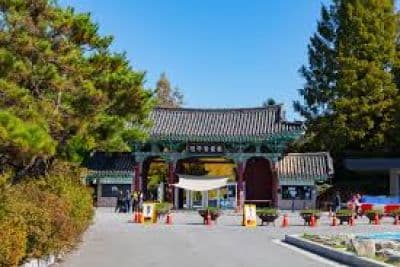
Donghwasa Temple, located on the slopes of Mt. Palgongsan in Daegu, South Korea, is a historic Buddhist temple with a heritage that dates back to the Shilla…
More about Donghwasa Temple →
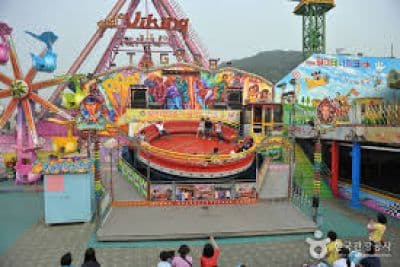
EWorld and the 83 Tower, formerly known as Woobang Tower, are major landmarks of Daegu, South Korea. EWorld is an amusement park built around the tower that…
More about EWorld and 83 Tower →
The Daegu Yangnyeongsi Museum of Oriental Medicine in Daegu, South Korea, is a unique institution dedicated to the history and practices of Eastern medicine.…
More about Daegu Yangnyeongsi Museum of Oriental Medicine →
Daegu National Museum is situated in the city of Daegu, which lies in the southeastern part of South Korea. Established in October 1994, the museum is…
More about Daegu National Museum →
Kim Gwangseokgil Street, also known as Kim Kwang-seok Road, is a vibrant cultural alley located in the heart of Daegu, South Korea, dedicated to the celebrated…
More about Kim Gwangseokgil Street →
Suseong Lake is a popular recreational area located in the heart of Daegu, South Korea. This artificial lake was created in 1925 and has since become a scenic…
More about Suseong Lake →
Otgol Village, located in Daegu, South Korea, is a historic clan village of the Gyeongju Choi family. It beautifully demonstrates traditional Korean…
More about Otgol Village →
Bulguksa Temple is a head temple of the Jogye Order of Korean Buddhism located in Gyeongju, South Korea. A masterpiece of Buddhist art, it is considered a…
More about Bulguksa Temple →
Seokguram Grotto, situated on the slopes of Mt. Tohamsan in Gyeongju, South Korea, is a sublime example of the pinnacle of Buddhist art in the Silla era.…
More about Seokguram Grotto →
Anapji Pond, also known as Anap Pond, is a magnificent historical site located in Gyeongju, South Korea. Constructed in 674 AD during the reign of King Munmu…
More about Anapji Pond →
Cheomseongdae is an ancient astronomical observatory located in Gyeongju, South Korea. It is one of the oldest surviving observatories in East Asia and dates…
More about Cheomseongdae Observatory →
The Gyeongju National Museum in Gyeongju, South Korea, is a repository of the region's rich cultural heritage. Situated in the North Gyeongsang province, this…
More about Gyeongju National Museum →
Tumuli Park, also known as Daereungwon Tomb Complex, is situated in Gyeongju, South Korea. It is a significant historical area with a collection of royal tombs…
More about Tumuli Park →
Bunhwangsa Temple is a historic Buddhist temple located in Gyeongju, South Korea. It is part of the Gyeongju Historic Areas, a UNESCO World Heritage Site that…
More about Bunhwangsa Temple →
The Gyeongju Historic Areas in Gyeongju, South Korea, encompass a remarkable concentration of outstanding examples of Korean Buddhist art, including temples,…
More about Gyeongju Historic Areas →
Bomun Lake is an artificial lake located in the historic city of Gyeongju, South Korea, and it is part of the Bomun Tourist Complex. Surrounded by picturesque…
More about Bomun Lake →
Yangdong Folk Village, located in Gyeongju, South Korea, is a traditional village from the Joseon Dynasty. The village is renowned for its well-preserved…
More about Yangdong Folk Village →