Ho Chi Minh Museum Tourism
Museum3.5(1,257 reviews)
About Ho Chi Minh Museum
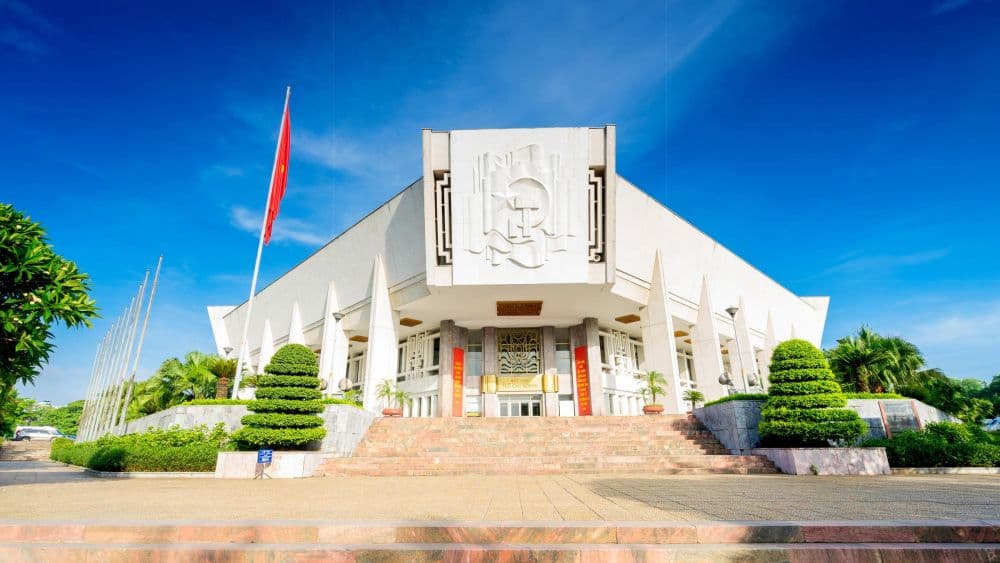
The Ho Chi Minh Museum in Hanoi, Vietnam, is a prominent institution dedicated to the late Vietnamese leader Ho Chi Minh and the country's revolutionary struggle against foreign powers. Opened in 1990, the museum is part of a larger complex that includes Ho Chi Minh's Mausoleum and the Presidential Palace. Situated in the Ba Dinh district, the museum's architecture is highly symbolic, with the building designed to resemble a white lotus flower, a sign of purity. Spanning multiple floors, the museum holds an extensive collection of artifacts, photographs, and documents relating to Ho Chi Minh's life and the national liberation movement. Visitors can explore exhibits that provide insights into Ho Chi Minh's personality, his extensive travels, political activities, and Vietnam's historical battles for independence and reunification. The museum not only serves as an educational hub for the Vietnamese but also attracts international tourists interested in the history of Vietnam and its iconic leader. A visit to the museum is not just a historical journey but also an opportunity to understand the cultural and political significance of Ho Chi Minh's legacy to the Vietnamese people.
Top 5 Reviews on Ho Chi Minh Museum
Sherpa489234
5.0Wrote on 11 Jul 2024
Great Tour with Julia
Walked into Museum and was offered a free tour by a great English speaking guide named Julia. She was amazing and took us through the entire museum and explained everything in great detail in a chronological order. We would’ve never captured the history and knowledge contained within the museum without having Julia by our side the whole way through. Highly recommend taking advantage of this free service provided when you first walk in!