Jatiluwih Rice Terraces Tourism
About Jatiluwih Rice Terraces
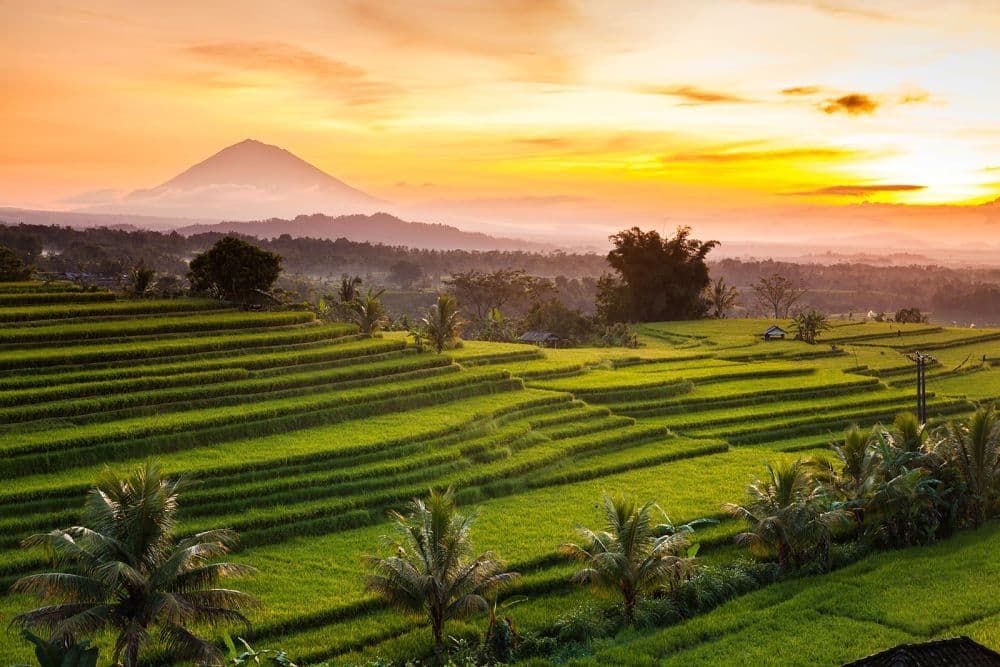
The Jatiluwih Rice Terraces in Bali, Indonesia, are a stunning example of traditional rice-farming techniques that have been passed down through generations. Recognized as a UNESCO World Heritage site, these terraces encompass over 600 hectares of rice fields that follow the flowing topography of the Batukaru mountain range. The name 'Jatiluwih' roughly translates to 'really beautiful' in the Balinese language, an apt description for the panoramic landscape of verdant, neatly contoured rice paddies. These terraces are a result of the Subak system—a traditional water management system that dates back to the 9th century, which reflects the philosophical concept of Tri Hita Karana, bringing together the realms of the spirit, the human world, and nature. This symbiotic relationship with the environment is demonstrated through the farmers' respect for the natural contours of the terrain, their use of organic farming methods, and the cooperative social system that manages the water. The striking green fields also serve as a habitat for a wide array of biodiversity and contribute to the scenic beauty that attracts tourists from around the world.
Top 5 Reviews on Jatiluwih Rice Terraces
Laurence_Brussels
4.0Wrote on 16 Jun 2024
Lovely trails and scenery
Really nice trail within the rice terraces. It was also a quiet walk until we reached the spot where they rent drones :-(. Nice views along the way.