RamGautam27
★★★★★5.0Wrote on 2 Feb 2024
A temple that stands out in Varanasi
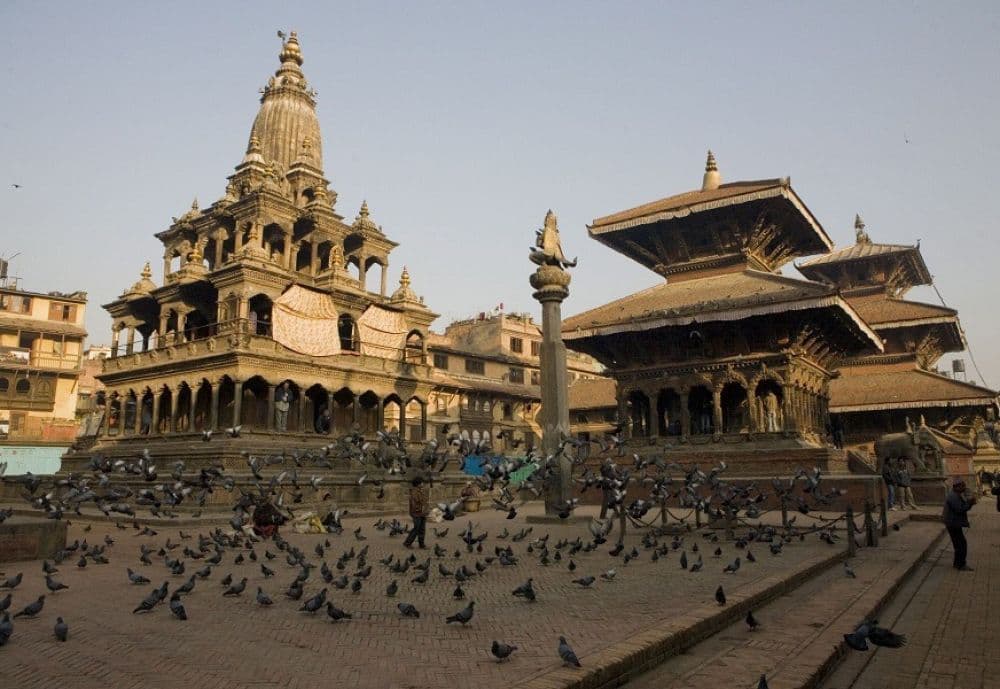
Built by Nepalese Shah king Rana Bahadur Shah, while he was sent in exile. This Nepali-style temple architecture is unique to the other temple architecture that you see around Varanasi so it stands out of them all. It is not to miss the temple, passing through a narrow passway.
seema60
★★★★★5.0Wrote on 25 Jan 2023
Beautiful architecture
This is a beautiful temple on the ghats of Varanasi. The architecture is similar to the temple in Kathmandu. There are a lot of monkeys.
miq-zmm
★★★★4.0Wrote on 17 Mar 2020
take 2 rounds around the shrine
near the Manikarina ghat, you cannot miss this nice little temple once built by a Nepali prince. in the building nearby several old men/women living their last days near to Ganges and awaiting their time to be cremated on the shore...
macedonboy
★★★★4.0Wrote on 6 Jan 2020
Distinctive looking Shiva temple
The Nepali Temple is a Hindu temple dedicated to Shiva. The architecture of the building stands in contrast to the buildings and other temples nearby and in Varanasi. The building is distinctly Nepalese/Oriental in style, more so in the basic Pagoda look. Inside, there’s a single room sanctum. There are upper levels, but it didn’t look like it was possible to climb up. The building also stands out for the terracotta building material which again gives it distinctive colouration. The temple is located close to Lalita Ghat, which is another popular site in Varanasi, so it’s worth combining a visit to both. Plus one for it’s distinctive look.
Brun066
★★★★4.0Wrote on 12 Nov 2019
Who doesn't know the Nepal architecture, here can get some idea
We visited this temple during a guided hike through the northern ghats in Varanasi. The hike took place on foot because in the height of the monsoon season (we were in Varanasi in August) the high level of the Ganges water prevents from visiting the ghats by sailing on the river, therefore navigation is closed by authority. Arriving at this temple from the ground therefore implies the - not pleasant - crossing of a part of the urban fabric affected at this time by extensive demolitions, in order to expand the space for religious meetings, processions, etc. close to the Ganges. The arrival at the Kathwala (ie, "wooden") Temple is much more pleasant, an oasis of peace, silence and relative cleanliness. The temple stands at the top of the Lalita Ghat, but we didn't see anything of the staircase, precisely because of the high water. On the right of the facade of the temple stands a Ficus religiosa; on the left, a "dharamshala" featuiring a similar Naplese style. Who doesn't know Nepal (like us) will be able at least to positively evaluate the fact that it is possible to admire this specimen of Kathmandu in Varanasi: to appreciate for example the very refined fretwork windows of the temple; the sculpted figurines that adorn it, and which have earned the monument the title of "small Khajuraho"; on the whole, the beautiful contrast between the red brick and the black colours, which make the temple's layout so typical.