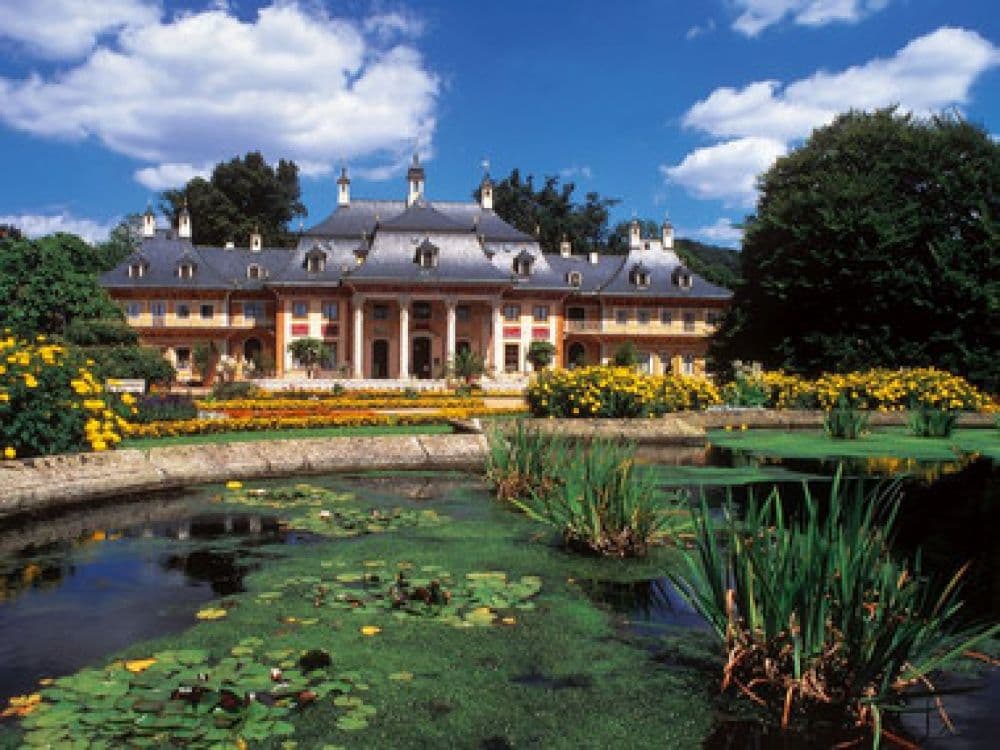
Pillnitz Palace And Park (Dresden) FAQs In 2026 - 2027
Historical Landmark
10 FAQs on Pillnitz Palace and Park
What is Pillnitz Palace and Park?
Pillnitz Palace and Park is a historic palace complex with surrounding gardens located on the banks of the River Elbe in the city of Dresden, Germany. It served as the summer residence for the kings of Saxony and is known for its beautiful Baroque architecture and its picturesque landscape gardens. The site consists of three main palace buildings—the Waterfront Palace, the Upper Palace, and the New Palace—and is a popular tourist destination, showcasing a mix of different European garden styles.
How do I get to Pillnitz Palace and Park?
Pillnitz Palace and Park is accessible by public transportation, car, or river cruise. The easiest way to reach Pillnitz is using Dresden's public transport system. You can take a tram line to the Pillnitz stop and then walk to the palace. Additionally, during the summer months, various river cruises offer trips to Pillnitz along the Elbe River.
What are the opening hours of Pillnitz Palace and Park?
Pillnitz Palace and Park's opening hours vary by season. The park is usually open to visitors from dawn till dusk every day. However, the museum buildings within the palace have specific opening times, which may change throughout the year. It's recommended to check the official website or contact the visitor center for the most up-to-date information before planning your visit.
Are there guided tours available at Pillnitz Palace and Park?
Yes, guided tours are available at Pillnitz Palace and Park. These tours offer detailed insights into the history, architecture, and horticulture of the site. It is best to check the availability of guided tours and book in advance if possible on the palace’s official website.
What can visitors see and do at Pillnitz Palace and Park?
Visitors can explore the richly decorated interior of the palace buildings, including historical furnishings and art collections. The vast gardens offer a variety of different areas including a maze, an orangery, and themed gardens such as the English and Chinese gardens. Special exhibitions and events frequently take place inside the palace. Additionally, there are opportunities to go for leisurely walks or boat rides on the River Elbe.
Is there an admission fee for Pillnitz Palace and Park?
There is an admission fee to enter the Pillnitz Palace's museums, with different ticket options available, including combined tickets for multiple exhibits. Access to the park itself may be free, but check ahead as policies may change. It’s also possible to buy a Dresden City Card, which includes admission to several attractions, including Pillnitz Palace and Park.
What facilities are available for visitors at Pillnitz Palace and Park?
Facilities at Pillnitz Palace and Park include a visitor center, restrooms, a souvenir shop, and several cafes and restaurants. There are also picnic areas and benches throughout the park. The palace and park are partly accessible to visitors with limited mobility but check ahead for specific accessibility information.
Can visitors stay overnight in or near Pillnitz Palace and Park?
While you cannot stay overnight within Pillnitz Palace itself, there are a variety of accommodation options nearby, including hotels, guesthouses, and vacation rentals, catering to different budgets and preferences.
Can Pillnitz Palace and Park be visited throughout the year?
Pillnitz Palace's park is open year-round, though it's most vibrant during the spring and summer months when the gardens are in bloom. The palace museums have seasonal operating hours and may be closed during winter months. It's best to check their official schedule before planning a visit during the off-season.
Is photography permitted inside Pillnitz Palace and Park?
Photography for private use is generally allowed in the gardens and park areas. However, photography inside the palace's museum rooms may be restricted, especially when it comes to the use of flash or tripods, and for commercial purposes. Always check the current photography policy on-site or via the palace's visitor guidelines before taking photographs.
Other Places to Visit in Dresden
View all places to visit in Dresden
Zwinger Palace

Semper Opera House

Dresden Frauenkirche

Dresden Castle (Residenzschloss)

Fürstenzug (Procession of Princes)

Brühl's Terrace

Green Vault (Grunes Gewolbe)

Albertinum Museum

Blue Wonder (Loschwitzer Brucke)

Katholische Hofkirche

New Green Vault (Neues Grunes Gewolbe)

Japanese Palace

Military History Museum (Militarhistorisches Museum)

Grosser Garten (Great Garden)