Tonle Sap Lake Tourism
Natural lake and Ecological Reserve3.0(2,318 reviews)
About Tonle Sap Lake
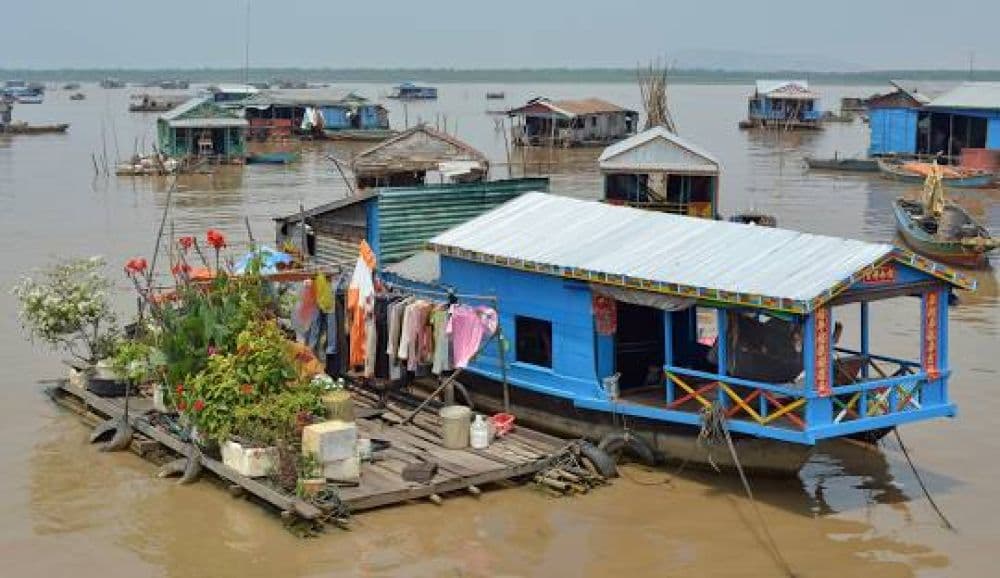
Tonle Sap Lake, located in the heart of Cambodia, is Southeast Asia's largest freshwater lake and plays an indispensable role in the ecological, economic, and cultural life of the country. The lake's size varies dramatically with the seasons, swelling to almost five times its size during the monsoonal rains – from approximately 2,700 square kilometers to over 16,000 square kilometers. This seasonal variation gives rise to a rich biodiversity, which is recognized by its designation as a UNESCO biosphere reserve. The surrounding floodplains provide fertile grounds for agriculture and support a diverse array of wildlife. Tonle Sap is also renowned for its floating villages, where houses on stilts or boats accommodate the rise and fall of the waters, showcasing the resilient lifestyle of the local communities. These villages, such as Kampong Phluk and Kampong Khleang, offer a glimpse into the traditional Cambodian way of life. The lake is a crucial source of irrigation and an important food source as it provides more than half of the fish consumed in Cambodia. Its connection to the Mekong via the Tonle Sap River is vital for the unique hydrological phenomenon that reverses the river's flow seasonally, contributing to the lake's rich biodiversity.
Top 5 Reviews on Tonle Sap Lake
Elizabettay
5.0Wrote on 28 May 2024
Great area must to see
We would like to recommend to anyone to visit there. It's a beautiful place in Cambodia. We can see such as Fishman, Mango Tree, Boat and Stilt Houses.