Seven Sisters Adventure Regulation
If you’re planning an adventure trip to the Seven Sisters of Northeast India, the real challenge is not just choosing where to go, but understanding the rules, permits, road conditions, and local sensitivities that shape the journey. This guide is for travellers who want a smooth, legal, and respectful trip across Arunachal Pradesh, Assam, Manipur, Meghalaya, Mizoram, Nagaland and Tripura, with practical advice you can use before you book anything.
What “Adventure Regulation” Means in the Seven Sisters
The Seven Sisters are not one single destination with one common rulebook. Each state has its own entry requirements, protected areas, road restrictions, local tourism policies, and seasonal travel realities. If you are planning trekking, biking, river trips, caving, wildlife visits, or a self-drive circuit, you should think of “regulation” as the set of practical checks that keep your trip legal, safe, and realistic.
In simple terms, this means confirming permit needs, checking vehicle access, understanding forest and wildlife rules, and planning for weather-related closures. A plan that works in Shillong in December may not work in Tawang in the same month, and a relaxed road trip through Assam may turn into a slow mountain drive in Arunachal because of landslides or army movement on some routes. Build flexibility into your itinerary.
Permits and Entry Rules You Should Check First
For most Indian travellers, the biggest permit-related questions come up in Arunachal Pradesh, and sometimes in protected or border-sensitive areas elsewhere. Rules can change, so always confirm with the state tourism department, local district administration, or your tour operator before travelling.
Arunachal Pradesh: Inner Line Permit
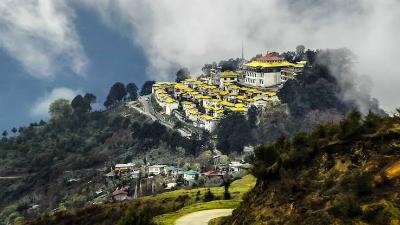
Indian citizens generally need an Inner Line Permit to enter Arunachal Pradesh. This is one of the most important things to arrange before your trip, especially if your route includes Tawang, Bomdila, Dirang, Ziro, Pasighat, Aalo or Itanagar. Processing is usually online or through authorised channels, but exact procedures can change, so leave enough time before departure.
Foreign nationals and protected areas
Foreign travellers may need additional permissions in some parts of the Northeast, especially near border zones or protected areas. Some locations also have restrictions on where foreigners can move independently. If you are planning a mixed group trip, confirm the rules for each state rather than assuming one permit covers everything.
Protected forest and wildlife zones
In Assam and parts of other states, visits to national parks and wildlife sanctuaries can involve entry fees, safari rules, fixed vehicle timings, and conservation restrictions. Kaziranga, Manas, Pobitora, Nameri and similar areas often require advance planning, especially in peak season. If you are aiming for birdwatching, rafting or jungle safaris, your operator should explain the current rules clearly.
Best Time to Travel for Adventure Activities
The Seven Sisters are highly seasonal. The same mountain road, river stretch or trekking trail can feel completely different depending on the month. For most adventure travel, the most reliable window is from October to April, but even that depends on the specific state and activity.
| Activity | Best Months | Notes |
|---|---|---|
| Road trips and sightseeing | October to April | Clearer roads and better visibility, especially in hill states |
| Trekking and camping | November to March | Cooler weather and lower rain risk |
| River rafting | October to May | Depends on river flow and local operator safety checks |
| Wildlife and birding | November to April | Better viewing conditions and easier travel |
| Monsoon travel | June to September | Beautiful but landslide-prone; plan extra buffer time |
Meghalaya gets very heavy rain for much of the monsoon, while Arunachal’s higher routes can be affected by landslides and cloud cover. Assam’s plains are easier to move through, but flooding can disrupt travel in some areas during the rainy season. If your adventure plan depends on fixed dates, avoid the monsoon unless you are prepared for changes.
State-by-State Adventure Planning Notes
Assam: easiest for a first-time Northeast itinerary
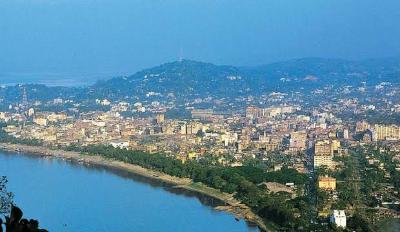
Assam is often the best starting point because it has stronger road connectivity, major airports, and a good mix of wildlife, river and cultural experiences. Adventure here usually means jungle safaris, river cruises, cycling in select areas, and tea garden drives rather than high-altitude trekking. Guwahati, Kaziranga, Majuli, Jorhat and Tezpur are common bases.
Meghalaya: caves, waterfalls and cliff roads
Meghalaya is popular for cave exploration, waterfall circuits and scenic drives to Sohra, Mawlynnong, Dawki and Jowai. The roads can be narrow and wet, so self-drive travellers should be cautious, especially after rain. If you are planning caving, go with local guides who know the current access and safety conditions.
Arunachal Pradesh: the strictest planning needed
Arunachal demands the most careful preparation because of permit rules, long distances and weather-sensitive roads. Tawang, Dirang, Bomdila, Ziro and Itanagar can all be part of a rewarding itinerary, but travel times are often longer than they look on a map. For example, road journeys that appear short can easily take 6-10 hours depending on traffic, weather and road work.
Nagaland, Manipur, Mizoram and Tripura: check local conditions
These states can offer strong cultural travel experiences, village stays, hiking and soft adventure, but you should check local conditions before finalising routes. In some areas, road access, permits, festival crowds and local holidays can affect availability of hotels and transport. If you are tying your trip to a festival or a specific event, book early and confirm local movement rules.
Transport Rules, Road Safety and Vehicle Choices
Travel in the Seven Sisters is often road-based, so vehicle choice matters. For plain-to-hill routes, a sturdy SUV or a well-maintained sedan with an experienced local driver is usually better than trying to optimise only for fuel savings. If you are self-driving, be prepared for steep climbs, fog, cattle on roads, sharp bends and occasional poor mobile signal.
For intercity movement, shared taxis, private cabs and local tour vehicles are widely used. Public transport exists, but it is not always the most efficient option for a tightly scheduled adventure itinerary. If you are visiting remote viewpoints, trailheads, border-facing towns or wetland areas, plan for last-mile transport rather than assuming taxis will be readily available on demand.
Vehicle restrictions may apply in certain protected or border-sensitive zones. Some places require specific local transport arrangements or authorised guides. Always ask your operator whether your chosen vehicle is allowed on the intended route before paying an advance.
Adventure Activities and the Rules Around Them
Trekking and camping
Several treks in Meghalaya and Arunachal attract travellers, but not every trail is open year-round or suitable for independent hiking. Some areas require local permissions, homestay support or a guide. Camping near waterfalls, forests or riverbanks should be done only where it is officially permitted, because weather, flooding and forest rules can make casual camping risky or illegal.
Rafting and water activities
Rafting conditions depend on river level, safety equipment and local operator approvals. The Brahmaputra and certain river stretches in Meghalaya and Arunachal can offer exciting experiences, but these are not activities to book casually from an unverified vendor. Ask about life jackets, helmets, guide certification and contingency plans before you confirm.
Caving and waterfall visits
Meghalaya’s caves and waterfalls are a major draw, but slippery surfaces and sudden rain can turn a simple outing into a dangerous one. Good footwear, local guidance and an awareness of closing times matter more than style. If the weather looks unstable, reschedule rather than forcing the plan.
Wildlife and birding
In Assam’s parks and wetlands, follow safari timings, speed limits and photography rules. Stay inside the vehicle when instructed and do not ask drivers to get too close to animals. Responsible behaviour protects both your safety and the ecosystem.
Budgeting for an Adventure Trip
Costs vary widely depending on season, route and how remote your itinerary is, but a realistic planning range helps. For a mid-range traveller, expect hotels or good homestays to cost around ?2,000-?5,000 per night in many towns, while cleaner boutique options can go higher during peak season. Meals are often affordable, with local thalis, rice plates and simple restaurant food costing roughly ?200-?600 per meal per person.
Private cabs for mountain routes may cost ?4,000-?10,000 per day depending on distance, vehicle type and route difficulty. Wildlife safaris, rafting, guides and permits add extra cost, so keep a buffer of at least 15-20% over your base budget. If you are travelling during holidays, festivals or peak winter months, prices can rise quickly and good rooms may sell out early.
What to Pack for a Safer Trip
- Valid ID and printed copies of permits where required
- Warm layers, even in months that feel mild in the plains
- Rain jacket and waterproof bag cover
- Good trekking shoes with grip
- Power bank and offline maps
- Basic medicines and a personal first-aid kit
- Cash, because ATMs and digital payments may not work everywhere
- Reusable water bottle and snacks for long road stretches
Mobile connectivity can be patchy in several hill and border areas, so do not rely only on apps. Share your route with someone, keep hotel contacts written down, and have a buffer in case road conditions slow you down by several hours.
Responsible Travel and Local Etiquette
The Seven Sisters are culturally rich and deeply community-oriented, so good adventure travel also means good behaviour. Ask before photographing people, homes or religious spaces. Dress modestly in villages and sacred places. Do not litter, do not play loud music in sensitive areas, and buy local services where possible so that your spending supports the community you are visiting.
In many places, a respectful conversation with your homestay host or driver can tell you more than any website. Local advice often includes which roads are damaged, which waterfall is unsafe after rain, which market day is crowded, and which trail is temporarily closed. That practical knowledge is invaluable.
Frequently Asked Questions
Do Indian travellers need a permit for the Seven Sisters?
Not everywhere, but some states and some zones do require permits, especially Arunachal Pradesh. Protected or border-sensitive areas may have separate rules too. It is best to check the latest requirements before you book tickets or pay advances.
Is it safe to do a self-drive trip across the Seven Sisters?
It can be done, but it is better suited to confident drivers who are comfortable with hills, rain and long road delays. In many remote areas, having a local driver is less stressful and often faster. If you self-drive, avoid tight schedules and keep your plan flexible.
Which month is best for adventure travel in the Seven Sisters?
October to April is usually the most practical window for road travel, trekking and wildlife trips. The exact best month depends on the state and the activity, but winter and post-monsoon months generally give you more stable conditions. Always check the local forecast before starting mountain routes.
Are adventure activities like rafting and caving available throughout the year?
No, availability changes with weather, water levels and local safety rules. Heavy rain can close trails, make caves unsafe, or suspend water-based activities. Always confirm with a local operator just before travel.
How much should I budget for a 7-10 day Northeast adventure trip?
A mid-range trip may cost around ?25,000-?60,000 per person, excluding flights, depending on how many states you cover, your hotel choice and the type of activities you add. Remote itineraries in Arunachal or peak-season travel can cost more. Keep extra money aside for permits, safaris, guides and unexpected road delays.
Can I combine multiple Seven Sister states in one trip?
Yes, but be realistic about travel time. Distances are often longer than they appear, and border checks, hills and weather can slow you down. For a relaxed trip, combine two or three states rather than trying to cover all seven in one short holiday.
The Seven Sisters reward travellers who plan well, travel slowly and respect local rules. If you keep permits, weather, transport and safety at the centre of your plan, your adventure will feel smoother and far more enjoyable.
Please share this post with friends who are planning a Northeast India adventure.
Disclaimer : The information provided in this blog is for general informational purposes only. While we strive to keep the content accurate and updated, TravelSetu assumes no liability for errors or omissions. If you believe any part of this blog infringes your rights or causes concern, please notify us immediately at info[at]travelsetu[dot]com so that appropriate action can be taken.